Choosing a 20"x15" Laminar Flow Hood for Mycology and Lab Applications
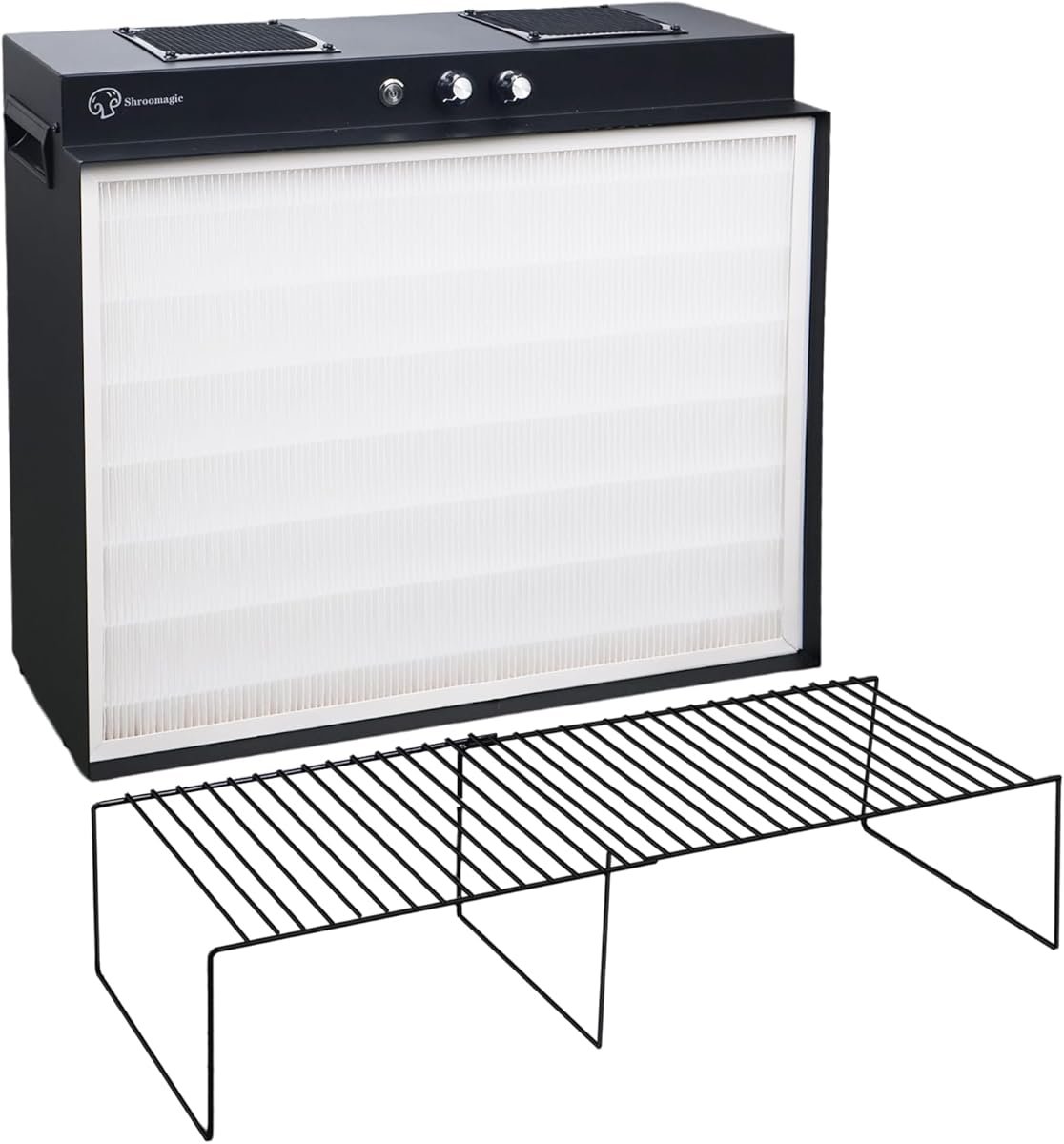
This specific laminar flow hood with H13 HEPA filtration targets hobbyist mycologists and small-scale labs needing ISO 5/Class 100 cleanliness. Its 24V DC design with universal voltage adapter makes it distinct from traditional AC-powered clean benches, offering potential portability and safety benefits.
Key Considerations Before Buying
- Verify the 20"x15" work area dimensions suit your specific agar plates, petri dishes, or spawn jars, as this is a compact bench-style unit.
- The H13 HEPA filter achieves ISO Class 5, but confirm its certified efficiency (99.97% at 0.3μm) for your specific contamination control needs in mushroom cultivation.
- Assess the integrated light's brightness and positioning for detailed mycelial transfer work, as poor illumination can compromise sterile technique.
What Our Analysts Recommend
Quality indicators include a smooth, seamless stainless steel or powder-coated work surface without crevices that harbor contaminants. Examine the filter seal integrity and blower noise levels mentioned in reviews, as air turbulence and leaks defeat the laminar flow purpose.
Fume Hoods Market Context
Market Overview
The market for compact laminar flow hoods under $1000 has expanded significantly, driven by the DIY mycology and home lab communities seeking alternatives to costly professional equipment. Many units, like this one, are adapted from Fan Filter Unit (FFU) technology originally designed for cleanrooms.
Common Issues
Common problems include inconsistent airflow velocity across the work surface, premature HEPA filter failure due to poor pre-filtration, and vibration from unbalanced blowers that disturbs settled particles. Users often report challenges achieving true laminar (non-turbulent) flow in budget units.
Quality Indicators
Look for specifications listing actual airflow velocity (typically 0.45 m/s ±20% for ISO 5), filter pressure drop data, and construction materials. A properly sized pre-filter extending the HEPA's life is a critical, often overlooked component in this price segment.
Review Authenticity Insights
Grade B Interpretation
A 'B' grade with an estimated 15% fake review rate suggests generally reliable feedback but warrants scrutiny. For a technical product like a flow hood, this rate indicates some reviews may overstate performance or underreport technical shortcomings.
Trust Recommendation
Prioritize the 8 verified purchase reviews, which constitute most feedback here. Pay particular attention to reviews discussing specific technical performance—airflow noise, filter replacement, build quality—over vague praise about 'working great.'
Tips for Reading Reviews
Search for reviews mentioning contamination rates over time in actual mushroom cultivation, comments on the DC motor's reliability, and notes about the physical sturdiness during extended use. These are strong authenticity signals for this equipment category.
Expert Perspective
The adjusted 4.00/5 rating from likely genuine reviews indicates this unit satisfies core requirements for hobbyists entering sterile work. The high verification rate (8 of 9 reviews) boosts confidence in the practical feedback. Its value proposition lies in offering ISO 5 certification and DC operation at a price point accessible to non-institutional buyers. However, the compact work area is a deliberate trade-off limiting larger-scale procedures.
Purchase Considerations
Weigh the 24V DC system's potential energy efficiency and lower electrical risk against the need for the included AC adapter and any long-term power supply reliability. Consider if your mycology workflow truly requires a certified Class 100 environment or if a still air box would suffice for occasional transfers.
Comparing Alternatives
Shoppers should compare this unit's footprint, filter cost/replacement process, and decibel ratings against similar 20" flow hoods from brands like Labconco or Terra Universal for professional contexts.