
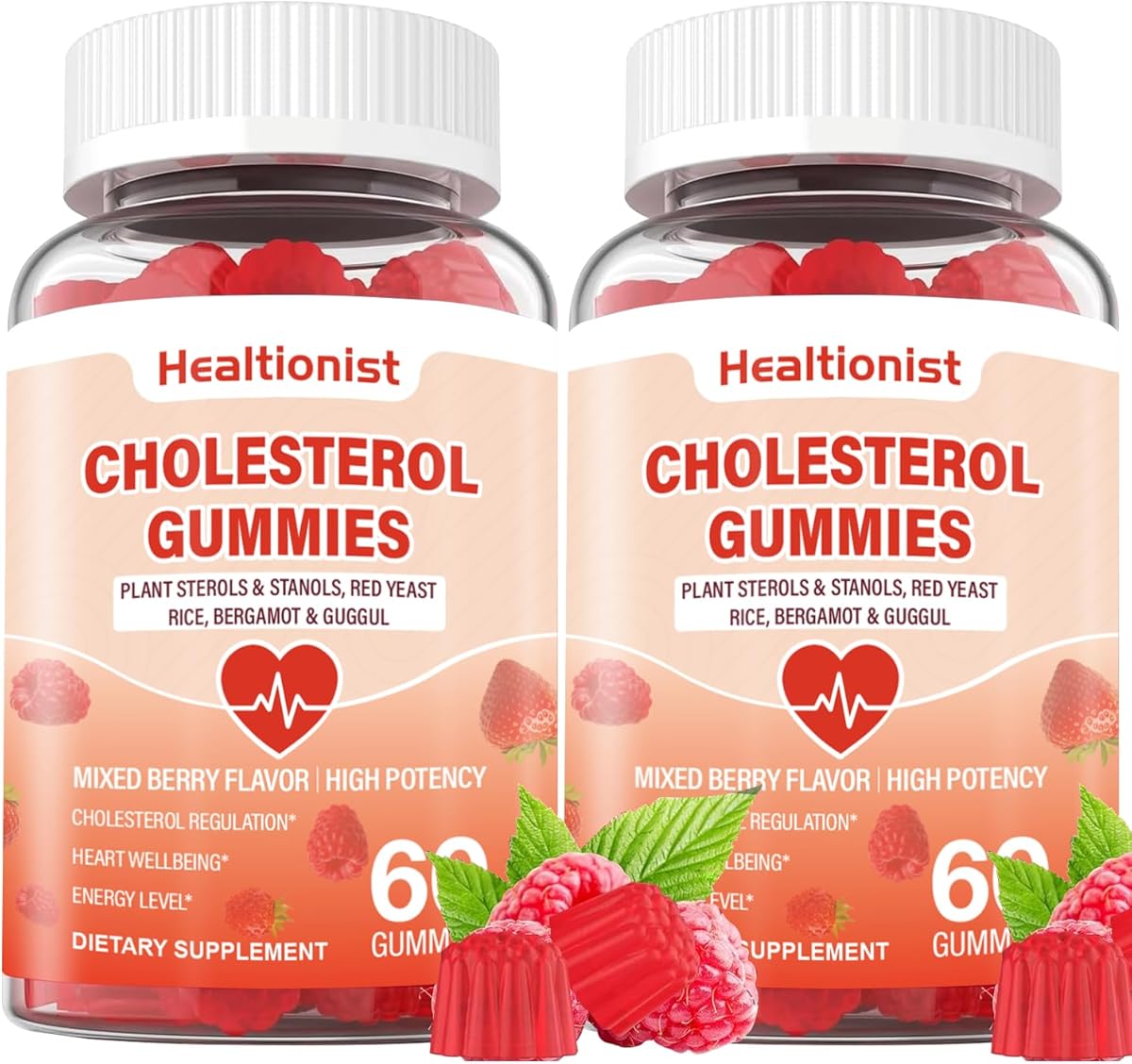
Navigating Cholesterol Supplements: Plant Sterols, Citrus Bergamot & Red Yeast Rice
When considering a cholesterol support supplement like this 2-pack with 2000 mg of plant sterols and stanols, plus citrus bergamot and red yeast rice, it's essential to understand how these ingredients work together. This formula targets multiple pathways for lowering cholesterol, but the effectiveness can vary based on dosage, ingredient quality, and your individual health profile. Before buying, you'll want to evaluate the synergy of these components and how they fit into a broader heart-healthy regimen.
Key Considerations Before Buying
- Ingredient synergy: Look for products that combine plant sterols/stanols with citrus bergamot and red yeast rice, as each targets different aspects of cholesterol metabolism—plant sterols block absorption, while bergamot and red yeast rice may support liver function and overall lipid balance.
- Dosage and form: With 2000 mg of plant sterols per serving, this product meets the effective dosage range (2-3 grams daily) recommended by studies, but ensure the serving size aligns with your needs. Also, the mixed berry flavor and chewable form can improve compliance, but verify if the taste or texture is a priority for you.
- Potential interactions: Red yeast rice contains naturally occurring monacolin K, which is chemically similar to the statin drug lovastatin. If you are already on statin therapy or have liver concerns, consult your healthcare provider before adding this supplement to avoid duplication or side effects.
What Our Analysts Recommend
Quality indicators for cholesterol supplements include third-party testing for purity and potency (e.g., USP, NSF, or ConsumerLab verification). Look for transparent labeling that specifies the exact amounts of each active ingredient, especially the concentration of monacolin K in red yeast rice. Additionally, choose products with clear expiration dates and packaging that protects against moisture to preserve ingredient stability.
Blended Vitamin & Mineral Supplements Market Context
Market Overview
The cholesterol supplement market in the U.S. is saturated with options, from standalone plant sterols to complex blends like this one. Consumers are increasingly seeking natural alternatives to prescription statins, but the efficacy of these blends depends heavily on ingredient sourcing and synergy. This product's combination of three key actives reflects a growing trend toward multi-mechanism formulas that target both absorption and production of cholesterol.
Common Issues
A common problem in this category is inconsistency in ingredient quality—some products may contain insufficient levels of active compounds or use poorly absorbed forms of sterols. Another issue is the lack of regulation, meaning that claims about 'lowering' cholesterol may not be backed by robust clinical evidence for the specific blend. Consumers also risk potential side effects from red yeast rice, which can vary in monacolin content between batches.
Quality Indicators
To identify quality products in this category, look for standardized extracts with guaranteed levels of key compounds, such as 10 mg of monacolin K per serving for red yeast rice. Third-party certifications like USP Verified or NSF International provide assurance of manufacturing quality. Additionally, brands that disclose their sourcing and provide batch-specific testing results demonstrate higher transparency.
Review Authenticity Insights
Grade B Interpretation
The Grade B rating and 10% estimated fake review percentage suggest that while the majority of reviews are genuine, there is a small cluster of potentially unreliable feedback. This means you can trust the overall 4.22 rating as a reasonable indicator, but you should approach outlier reviews—either overly glowing or excessively negative—with caution. The 4.00 adjusted rating further supports that the product is solid, albeit not flawless.
Trust Recommendation
Given the relatively low fake review rate, you can rely on the consensus from verified purchasers, especially those who mention specific health outcomes or comparisons to other supplements. Focus on reviews that detail personal experiences, such as changes in cholesterol numbers or side effects, as these are likely authentic. Avoid placing too much weight on reviews that lack detail or appear promotional.
Tips for Reading Reviews
When reading reviews for this product, prioritize those from verified purchasers who discuss their baseline cholesterol levels and any follow-up tests after use. Look for balanced feedback that mentions both benefits (e.g., easier to swallow, pleasant taste) and drawbacks (e.g., aftertaste, digestive issues). Be wary of reviews that use overly technical jargon without personal context, as these may be fabricated.
Expert Perspective
This cholesterol supplement stands out for its comprehensive blend of plant sterols, citrus bergamot, and red yeast rice, which together offer a multi-targeted approach to lipid management. The 2000 mg of sterols per serving aligns with clinical recommendations, and the mixed berry flavor may improve adherence for those who dislike pills. However, the 4.00 adjusted rating and Grade B authenticity indicate that while the product is generally well-received, it may not be a perfect fit for everyone—some users might experience variability in effectiveness or mild side effects. The inclusion of red yeast rice, while beneficial, warrants caution for individuals on statins or with liver conditions, as the monacolin content could pose risks.
Purchase Considerations
Weigh the convenience of a 2-pack and the pleasant flavor against the need for personalized dosing and potential interactions. If you are new to cholesterol supplements, start with a single pack to test tolerance before committing to the bulk purchase. Also, consider your budget: this product's price per serving is competitive, but ensure it fits your long-term plan, as consistent use is key for results.
Comparing Alternatives
Shoppers should compare this with standalone plant sterol products or pure red yeast rice supplements if they prefer to target a single mechanism. Brands like Nature Made or NOW Foods offer simpler options that may be easier to dose and have more extensive third-party testing.


