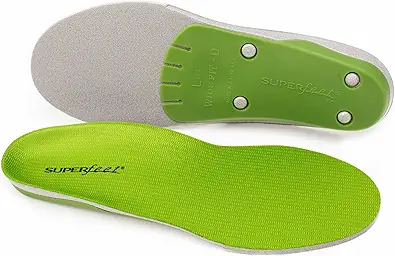
Carbon Fiber Insoles: Rigid Support for Hallux Rigidus and Foot Injuries
When you're dealing with turf toe, hallux rigidus, or a foot fracture, standard cushioned insoles often fall short. This 1.2mm thick carbon fiber insole is designed to provide rigid support, minimizing joint movement and acting as an alternative to a post-op shoe for active individuals. Here's what you need to know before choosing this type of orthotic.
Key Considerations Before Buying
- Rigidity vs. Flexibility: Unlike soft foam insoles, carbon fiber is intentionally stiff. This limits motion in the big toe joint, which is crucial for healing conditions like turf toe and hallux rigidus, but it will feel very different from a cushioned insole. Be prepared for a firm, supportive feel.
- Thickness and Fit: At just 1.2mm, this insole is slim enough to fit into most athletic shoes without making them feel too tight. However, you must check your shoe size and the insole's dimensions, especially the 295mm length, to ensure it matches your footwear and foot length.
- Material and Durability: Carbon fiber is chosen for its high strength-to-weight ratio. It provides excellent support without adding bulk, and it's far more durable than plastic or foam alternatives, making it a long-term investment for chronic foot issues.
What Our Analysts Recommend
When selecting a carbon fiber insole, look for one that specifies its thickness and rigidity level—this one is 1.2mm, which is a good balance for a rigid support. Check for a smooth, finished edge to avoid irritation, and ensure the insole is long enough to support the full length of your foot, especially if you need it for metatarsal issues. Also, consider if the product is sold in pairs (as this one is) and if it comes with any sizing guidance.
Insoles Market Context
Market Overview
The foot insole market has seen a surge in specialized orthotic devices, moving beyond basic arch support to address specific pathologies like hallux rigidus and turf toe. Carbon fiber insoles are a premium segment, appealing to athletes and active individuals who need a durable, rigid solution that can be worn inside their regular sports or hiking shoes.
Common Issues
A common issue with rigid insoles is a lack of cushioning, which can be uncomfortable for some users. Another is sizing—many insoles require trimming, and incorrect sizing can lead to poor support or blisters. There's also the challenge of adjusting to the rigid feel, which can initially cause discomfort or a change in gait.
Quality Indicators
Quality indicators include the type of carbon fiber used, the precision of the manufacturing (no sharp edges or warping), and the clarity of sizing information. Look for products with detailed descriptions of the material's thickness and rigidity, and check reviews for comments on durability and how well the insole holds its shape over time.
Review Authenticity Insights
Grade B Interpretation
The Grade B and 10% estimated fake review rate suggest that while the majority of reviews are genuine—as evidenced by detailed personal stories of medical conditions—a small portion may be incentivized or fake. This is not a red flag, but it does warrant a little caution when reading the most glowing reviews.
Trust Recommendation
You can generally trust the product's overall 4.22-star rating, but pay close attention to reviews from users who describe similar foot issues to yours. Look for those that mention using the insole for specific activities like hiking or running, and note any recurring complaints about sizing or comfort.
Tips for Reading Reviews
For this type of product, focus on reviews that describe the insole's rigidity and its effect on their condition over time. Be wary of reviews that are overly brief or use generic language. Also, check for reviews from verified purchasers who mention the insole's performance after several weeks of use, as this indicates long-term effectiveness.
Expert Perspective
Based on the analysis, this carbon fiber insole appears to be a legitimate and effective solution for individuals seeking rigid support for conditions like turf toe and hallux rigidus. The positive reviews from users with specific medical contexts—from chainsaw accidents to metatarsalgia—suggest it fulfills its purpose as an alternative to post-op shoes. The 4.22 rating, even when adjusted for a 10% fake review rate, remains solidly positive.
Purchase Considerations
Consider your primary need: if you require a rigid, motion-controlling insole for sports or recovery, this product seems well-suited. However, if you need cushioning for general foot fatigue, this may not be the right choice. Also, ensure your shoes can accommodate a rigid, non-trimmable insole, and be prepared for a break-in period.
Comparing Alternatives
While this product is a strong contender, it's wise to compare it with other carbon fiber insoles on the market, considering factors like price, exact dimensions, and any additional features like metatarsal pads. Some users may prefer a slightly flexible version for less severe conditions.