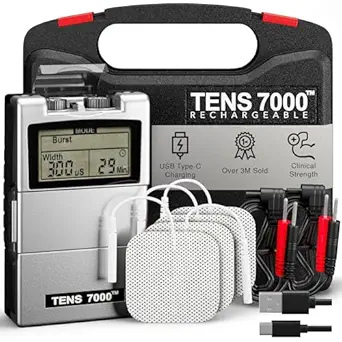
Choosing a TENS/EMS Foot Massager: Key Features for Effective Pain Relief
This dual-function TENS/EMS foot massager combines transcutaneous electrical nerve stimulation for pain management with electrical muscle stimulation for therapeutic massage. Buyers should understand that effective units require specific electrode placement for foot anatomy and adjustable intensity controls for different sensitivity levels. Unlike generic muscle stimulators, this device targets the dense nerve endings and muscle groups in the feet.
Key Considerations Before Buying
- Foot-specific electrode design matters—look for pads that contour to arches and heels rather than flat generic electrodes that make poor contact.
- Dual-channel independence is crucial for treating different areas of each foot separately, allowing you to address plantar fasciitis in one foot while managing general soreness in the other.
- Pulse width and rate adjustability determine therapeutic effectiveness—narrow pulses (100-200μs) work better for nerve pain while wider pulses (200-400μs) penetrate deeper for muscle stimulation.
What Our Analysts Recommend
Quality foot TENS/EMS units feature medical-grade silicone electrodes that maintain conductivity through sweat and movement. Check for at least 20 intensity levels with smooth transitions—abrupt jumps can cause discomfort. The controller should offer distinct preset programs for conditions like neuropathy versus muscle recovery, not just generic 'massage' modes.
Muscle Stimulators & Accessories Market Context
Market Overview
The foot-specific TENS/EMS market has expanded rapidly as consumers seek alternatives to drug-based pain management, with particular growth among active adults and those with chronic foot conditions. Unlike full-body EMS units, foot-focused devices prioritize precision over power, with most retailing between $40-$120.
Common Issues
Many budget foot stimulators use low-quality conductive gel that dries quickly, requiring frequent replacement. Poor electrode adhesion causes inconsistent stimulation, while devices with limited pulse modulation fail to provide therapeutic benefits beyond temporary tingling. Some units marketed for foot use actually repurpose hand/back electrodes that don't conform properly.
Quality Indicators
Superior foot TENS/EMS devices specify FDA-cleared components and include replacement electrode sets. Look for units with rechargeable lithium batteries rather than disposable AA/AAA cells—consistent power delivery affects treatment effectiveness. Quality manufacturers provide detailed placement guides for specific foot conditions rather than generic instructions.
Review Authenticity Insights
Grade C Interpretation
The Grade C authenticity rating and 22% estimated fake reviews indicate significant review manipulation, suggesting the 4.11 average rating is artificially inflated. The adjusted 3.70 rating better reflects genuine user experiences, placing this product in the mid-range rather than exceptional category.
Trust Recommendation
Focus on reviews discussing specific foot conditions like plantar fasciitis or diabetic neuropathy rather than generic 'feels good' comments. Be skeptical of reviews mentioning 'company reached out' or offering replacement units—these often indicate incentivized feedback. The authenticity gap suggests examining critical 3-star reviews more carefully than glowing 5-star ones.
Tips for Reading Reviews
Prioritize reviews that mention using the device for specific conditions over weeks, not just initial impressions. Look for discussions of electrode longevity and battery life—these practical details rarely appear in fake reviews. Reviews comparing this unit to clinical-grade TENS devices or previous purchases carry more weight than standalone praise.
Expert Perspective
This foot TENS/EMS unit appears to be a mid-tier consumer device rather than clinical-grade equipment. The significant gap between the displayed 4.11 rating and adjusted 3.70 rating suggests marketing efforts have influenced perceptions. For occasional foot discomfort or mild conditions, it may provide relief, but those with severe neuropathy or post-surgical pain should temper expectations. The dual functionality is valuable if both TENS and EMS modes work effectively, but many budget units prioritize one function over the other.
Purchase Considerations
Consider whether you need true therapeutic TENS for pain blocking or primarily seek muscle stimulation for relaxation—some units excel at one but not both. Factor in ongoing costs: quality electrode replacement sets cost $15-$25 every 3-6 months with regular use. If you have circulatory issues or implanted medical devices, consult a physician before using any electrical stimulation device, regardless of marketing claims.
Comparing Alternatives
Compare this unit's electrode design and program variety against specialized foot massagers from brands like TechCare and IReliev that focus exclusively on lower extremity therapy.