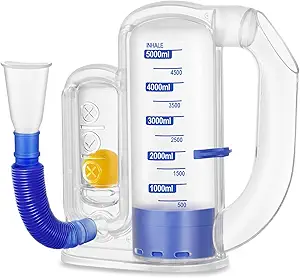
Flutter Valve Breathing Trainer: Key Insights for Mucus Clearance and Lung Health
A flutter valve device is a non-measuring breathing exerciser designed to help clear mucus from the lungs, commonly used by individuals with COPD, bronchiectasis, or post-illness respiratory congestion. Unlike spirometers that measure lung volume, this device focuses on creating oscillatory positive expiratory pressure (OPEP) to loosen secretions and improve airway clearance. Understanding how it works and what to look for can help you choose an effective tool for respiratory therapy.
Key Considerations Before Buying
- Check if the device is designed for your specific condition, such as COPD or post-surgery recovery, as flutter valves are most effective for mucus clearance rather than general lung strengthening.
- Consider ease of cleaning and durability, since the device requires regular disassembly and rinsing to prevent bacterial buildup, which is critical for respiratory health.
- Ensure the resistance level matches your breathing capacity; some flutter valves offer adjustable settings, while this non-measuring model provides a fixed pressure for consistent therapy.
What Our Analysts Recommend
Quality indicators include medical-grade materials (like polypropylene or silicone) that are BPA-free and easy to sterilize. A well-designed flutter mechanism should produce a distinct vibration during exhalation, indicating effective oscillatory pressure. Look for devices with clear usage instructions and compatibility with standard cleaning methods.
Breathing Trainers & Monitors Market Context
Market Overview
The breathing trainer market has expanded with increased awareness of respiratory health, driven by conditions like COPD and post-COVID recovery. Non-measuring flutter valves are gaining popularity as affordable, drug-free aids for mucus clearance, often recommended by pulmonologists. However, the market includes both clinical-grade devices and lower-cost alternatives, making it important to verify quality.
Common Issues
Common problems include devices that fail to produce consistent oscillation, leading to reduced efficacy, or those made from materials that degrade with frequent cleaning. Some users report difficulty achieving the correct breathing technique without proper guidance, which can limit benefits. Additionally, counterfeit or poorly manufactured products may not meet medical standards.
Quality Indicators
High-quality flutter valves are typically constructed from sturdy, medical-grade plastics with smooth internal surfaces to ensure reliable airflow. A reputable brand will provide detailed instructions and often include a carrying case for hygiene. Look for FDA registration or CE marking, which indicate regulatory compliance for medical devices.
Review Authenticity Insights
Grade B Interpretation
With a Grade B and an estimated 10.00% fake review rate, this product shows a majority of genuine reviews but with a notable minority that may be unreliable. The 4.67 overall rating is likely inflated, as the adjusted rating of 4.40 suggests some positive reviews lack authenticity. This grade indicates moderate trustworthiness, meaning you should focus on detailed, verified purchase reviews.
Trust Recommendation
Given the 10% fake review rate, prioritize reviews that mention specific health conditions (e.g., COPD, cystic fibrosis) and cleaning routines, as these are harder to fabricate. Verified purchase tags are a strong signal, but cross-reference with the adjusted rating to avoid overvaluing the product. The high volume of reviews (1168) provides a solid base for analysis, but be cautious of overly generic praise.
Tips for Reading Reviews
When reading reviews, look for those describing real-life outcomes like reduced coughing or easier mucus clearance, as these indicate genuine use. Be wary of reviews that lack personal context or use vague terms like 'works great' without specifics. Sorting by most recent or verified purchases can help filter out potentially fake entries.
Expert Perspective
This flutter valve device appears to be a functional, non-measuring breathing exerciser with strong user satisfaction, as evidenced by the high volume of reviews and authentic testimonials. The adjusted rating of 4.40 out of 5 suggests it effectively aids mucus clearance for many users, particularly those with COPD or post-illness congestion. However, the 10% fake review rate warrants caution, and the product may not replace clinical-grade devices for severe conditions. Overall, it offers good value for home respiratory therapy when used as directed.
Purchase Considerations
Consider your specific respiratory needs—if you require precise lung volume measurement, this non-measuring device may not suffice. Weigh the affordability against potential durability issues, as frequent cleaning may wear down cheaper materials. Also, consult a healthcare provider before use to ensure it complements your treatment plan.
Comparing Alternatives
Shoppers should compare this flutter valve with other OPEP devices like the Acapella or Aerobika, which may offer adjustable resistance or clinical validation for specific conditions.