Choosing Cellular Solar Security Cameras: What Off-Grid Buyers Must Consider
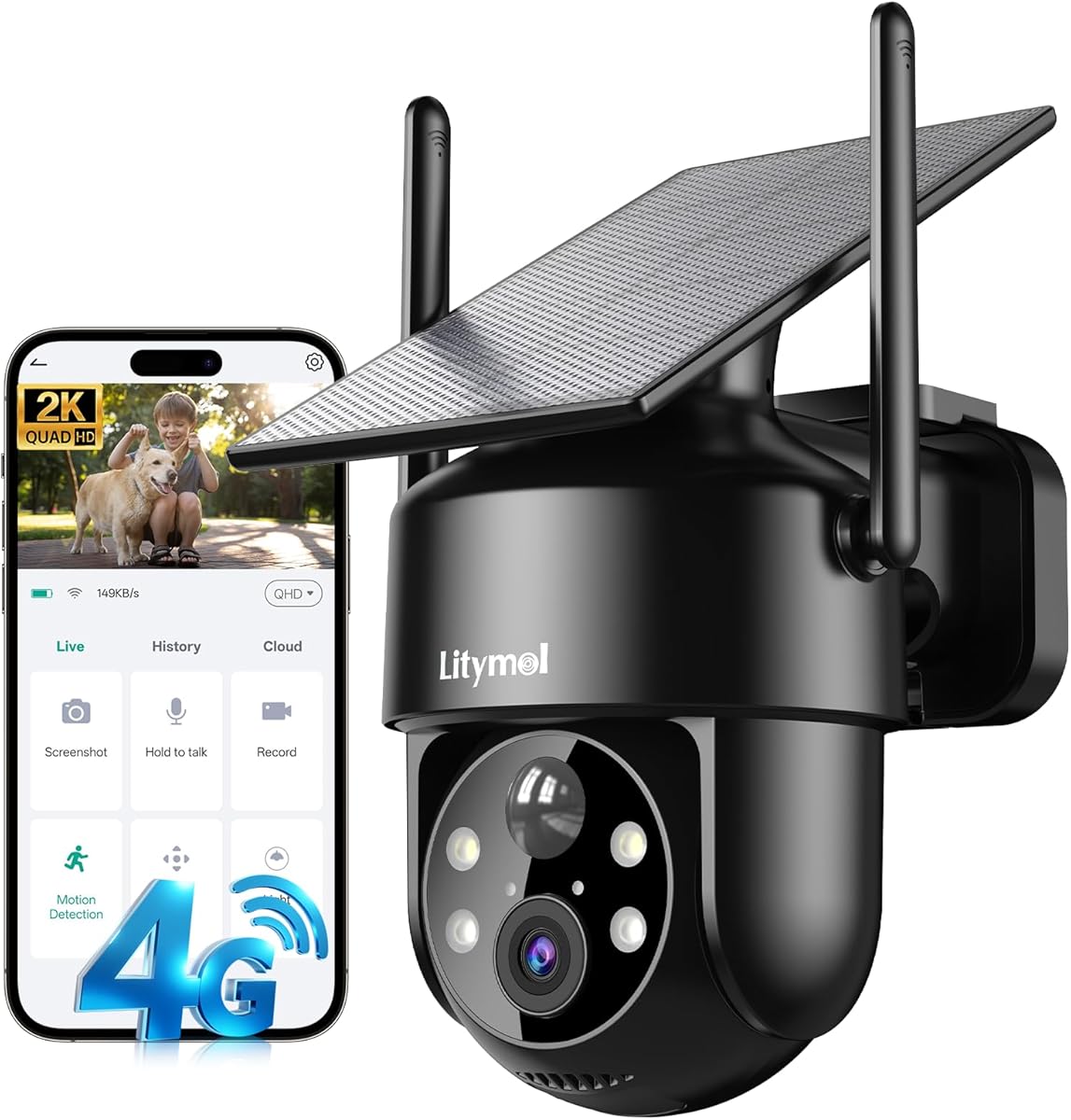
For properties without reliable WiFi or power access, 4G LTE solar security cameras like this model represent a specialized solution. This particular camera combines 2K resolution, AI detection, and a spotlight siren, but its true value depends on understanding cellular data requirements and solar efficiency.
Key Considerations Before Buying
- Cellular data plans are mandatory for operation; factor in monthly costs from carriers like Verizon or T-Mobile, which aren't included with the camera purchase.
- Solar panel placement is critical—these cameras require direct sunlight for consistent operation, making them unsuitable for heavily shaded areas.
- The 'wire-free' claim applies to power and data transmission, but installation still requires mounting hardware and careful positioning for both camera and solar panel.
What Our Analysts Recommend
Quality indicators in this niche include weatherproof ratings (IP65 or higher for true outdoor durability), efficient solar charging even in partial sun, and flexible cellular carrier compatibility. Look for cameras that specify battery capacity in relation to solar input to gauge true off-grid performance.
IR Illuminators Market Context
Market Overview
The cellular solar security camera market is expanding rapidly as users seek solutions for remote properties, construction sites, and rural homes. These products fill a specific gap where traditional WiFi cameras fail due to connectivity or power constraints.
Common Issues
Users frequently encounter inconsistent solar charging leading to dead batteries, unexpected cellular data overages, and latency in live video streaming over LTE networks. AI detection accuracy can also vary significantly with environmental factors like weather and lighting.
Quality Indicators
Superior products in this category offer detailed solar efficiency specifications, multiple cellular band support for better signal strength, and transparent data usage estimates. Look for cameras with adjustable detection sensitivity to minimize false alarms that waste both battery and data.
Review Authenticity Insights
Grade B Interpretation
A Grade B authenticity rating with 15% estimated fake reviews suggests generally reliable feedback but warrants careful scrutiny. The adjusted 4.60/5 rating (down from perfect 5.00) indicates some review inflation, though 85% of feedback appears genuine.
Trust Recommendation
Focus on verified purchase reviews that discuss specific cellular carrier experiences, solar performance in different weather conditions, and actual data usage patterns. Be skeptical of reviews that don't mention cellular plan setup or solar charging realities.
Tips for Reading Reviews
Prioritize reviews that mention specific carriers (AT&T, Verizon, etc.), describe installation challenges with solar panel placement, or provide month-long usage updates. These details indicate authentic long-term ownership rather than initial impressions.
Expert Perspective
This camera's 4.60 adjusted rating from verified purchasers suggests it performs well within its niche, particularly for users who truly need cellular connectivity. The combination of 2K resolution, solar power, and AI detection addresses core needs, but success depends entirely on proper solar placement and cellular coverage. The spotlight siren adds active deterrence, though its effectiveness varies with camera placement.
Purchase Considerations
Evaluate your property's sunlight exposure and cellular signal strength before purchasing—these factors determine performance more than camera specifications. Calculate total cost of ownership including cellular data plans and potential cloud storage fees beyond any free trial periods.
Comparing Alternatives
Compare this model's solar panel wattage and battery capacity against competitors, as these specifications directly impact reliability in off-grid scenarios.