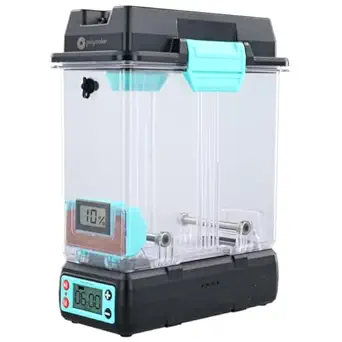
Choosing an AMS-Compatible Heater: Balancing Drying Efficiency with Filament Safety
The SUNLU AMS Heater addresses a specific niche in 3D printing: maintaining filament dryness during extended, multi-material prints with the Bambu Lab AMS Gen 1. Unlike standalone dry boxes, this accessory integrates directly with the AMS to enable simultaneous printing and drying, targeting users who experience print failures from moisture absorption mid-job. Its 70°C heating target is calibrated for common hygroscopic filaments like PLA, PETG, and some nylons.
Key Considerations Before Buying
- Compatibility is non-negotiable; this unit is designed exclusively for the Bambu Lab AMS Gen 1, not the newer AMS Hub or other brands' multi-material systems, so verify your AMS model before purchase.
- The 70°C maximum temperature is ideal for drying PLA and PETG but may be insufficient for thoroughly drying engineering-grade filaments like PA-CF or PEEK, which often require higher temperatures or dedicated drying ovens.
- Consider your print environment's ambient humidity; this heater is a preventative maintenance tool best for moderate climates, not a solution for rescuing severely waterlogged spools that may need more aggressive drying first.
What Our Analysts Recommend
For AMS-integrated heaters, prioritize units with precise, stable temperature control to prevent filament softening or warping inside the AMS. Look for designs that promote even airflow around all four spools, not just the bottom one. Installation should be tool-free and not require permanent modification to your AMS unit, preserving any existing warranty.
3D Printing Filament Market Context
Market Overview
The market for AMS-compatible accessories has grown alongside Bambu Lab's popularity, with third-party solutions like this heater filling gaps in the original ecosystem. These products cater to power users seeking to enhance reliability for long-duration or humidity-sensitive prints without investing in a completely new dry-box AMS system.
Common Issues
Common pitfalls include heaters that create hot spots, unevenly drying spools and potentially degrading filament consistency. Some aftermarket accessories can interfere with AMS lid sensors or spool rotation. There's also the risk of voiding the AMS warranty if installation is invasive or causes damage.
Quality Indicators
A quality AMS heater will have clear documentation on safe operating temperatures for various filaments, use a reliable PTC heating element for safety, and feature a low-profile design that doesn't impede AMS functionality or storage. Positive user feedback often highlights consistent performance over weeks of use, not just initial setup.
Review Authenticity Insights
Grade B Interpretation
A 'Grade B' with a 10% estimated fake review rate suggests the review corpus is largely reliable but requires discerning reading. The adjusted rating of 4.20/5 (down from 4.44/5) indicates that while some reviews may be inflated, the core positive consensus around functionality is likely genuine.
Trust Recommendation
Focus on reviews that detail long-term use over several weeks or multiple spools, as these are harder to fabricate. Pay particular attention to verified reviews discussing specific filament types dried (e.g., "dried my PolyTerra PLA successfully") and any mentions of compatibility hiccups with specific AMS configurations.
Tips for Reading Reviews
For technical accessories like this, prioritize reviews that mention installation time, temperature consistency verified with a separate thermometer, and impact on print success rates. Be skeptical of reviews that only praise packaging or delivery speed without addressing performance.
Expert Perspective
The SUNLU AMS Heater appears to be a well-executed niche solution based on the authentic review sentiment. Its value proposition is clear: it targets Bambu Lab AMS Gen 1 users in moderately humid environments who want to prevent moisture-related print failures during long or sequential jobs. The high volume of verified purchases discussing successful integration and drying results lends credibility. The slight dip in the adjusted rating suggests minor, real-world drawbacks exist, likely related to fitment or temperature limits for certain filaments, rather than fundamental flaws.
Purchase Considerations
This product is a strong buy if you primarily print with PLA/PETG using an AMS Gen 1 and have experienced humidity-related issues like stringing or brittleness. It's less critical if you live in an arid climate, print only with low-hygroscopic materials like ABS, or own the newer AMS Hub. Weigh the cost against the value of your failed prints and filament spoiled by moisture.
Comparing Alternatives
Shoppers should compare this unit's 70°C limit and integrated design against standalone filament dryers that offer higher temperatures or larger capacities, which may be more versatile but don't enable simultaneous printing.