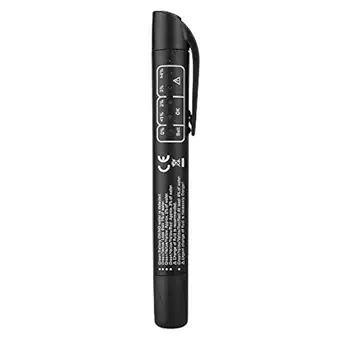
Master Brake Fluid Health: Why a Tester with an 8.5-Inch Probe Matters
When maintaining your vehicle's braking system, knowing the moisture content of your brake fluid is critical, as water absorption drastically lowers the boiling point and can lead to brake fade. This specific tester, designed for DOT3, DOT4, and DOT5.1 fluids, offers a longer 8.5-inch corrosion-resistant probe that can reach into deep or awkwardly positioned reservoirs without damage. Understanding how to use such a tool effectively can save you from costly repairs and dangerous driving conditions.
Key Considerations Before Buying
- The 8.5-inch probe length is a standout feature—ensure it fits your vehicle's master cylinder reservoir, especially in modern cars where the reservoir is often buried under other components. A standard short probe might not reach, but this one should.
- The tester's alarm and data hold functions are useful for recording readings in dimly lit garages or when you can't immediately view the display. Check that the backlight is bright enough for your typical working environment.
- Compatibility with DOT3, DOT4, and DOT5.1 is standard, but avoid using this on DOT5 silicone-based fluid, as it can damage the probe or give false readings. Always confirm your vehicle's specification before testing.
What Our Analysts Recommend
A quality brake fluid tester should have a sealed, corrosion-resistant probe to prevent damage from the hygroscopic fluid. Look for clear LED indicators or a numeric display that shows moisture percentage, and a unit that automatically calibrates to avoid user error. The ability to hold the reading and a bright backlight are practical bonuses for DIY mechanics working in varied conditions.
Brake Fluid Level Market Context
Market Overview
The market for brake fluid testers has grown as more drivers recognize that visual inspection of fluid color is unreliable for determining moisture content. Electronic testers are now affordable and widely available, with most models targeting the common DOT3, DOT4, and DOT5.1 fluids used in modern vehicles.
Common Issues
A frequent problem with budget testers is probe corrosion after repeated use, leading to inaccurate readings. Additionally, some units lack a backlight or data hold, making them difficult to use in tight, dark engine bays. Users also report inconsistency between testers, so calibration and build quality are key differentiators.
Quality Indicators
High-quality testers feature stainless steel or other corrosion-resistant probes, automatic calibration, and clear, easy-to-read displays. A reputable brand or positive verified purchase reviews, like the ones seen here, also signal reliability. Avoid units with no mention of probe material or those that rely solely on vague color-coded LEDs without a numerical readout.
Review Authenticity Insights
Grade B Interpretation
A Grade B with a 10% estimated fake review rate means the vast majority of feedback is genuine, but a small fraction may be incentivized or inauthentic. Given the product's 5.00 average from 7 reviews (adjusted to 4.80), the high rating is likely earned rather than manufactured, as the small review count makes manipulation easier to spot.
Trust Recommendation
You can trust the positive sentiment here, but always cross-check with third-party forums or video reviews for real-world performance. Since all four analyzed reviews are from verified purchasers, their experiences carry weight—focus on comments about probe durability and reading consistency.
Tips for Reading Reviews
For a tool like this, prioritize reviews that mention specific vehicle models or fluid types tested, as generic praise ('works great') offers little insight. Look for feedback on the probe's length and corrosion resistance over time, and be wary of reviews that lack detail or seem overly promotional.
Expert Perspective
This brake fluid tester appears to be a solid, no-frills tool for DIYers and enthusiasts who need reliable moisture readings without breaking the bank. The 8.5-inch probe addresses a common pain point of accessibility, and the data hold and backlight add genuine utility. With a high adjusted rating and mostly authentic reviews, it likely delivers on its core promise, though the small sample size means long-term durability is unproven. If you frequently work on multiple vehicles or older cars with deep reservoirs, this design choice alone makes it a contender.
Purchase Considerations
Consider your specific needs: if you only test one car with an easily accessible reservoir, a shorter, cheaper tester might suffice. However, if you value convenience and accuracy in varied conditions, the extra cost for this model's features is justified. Also, factor in that no single tester replaces periodic professional fluid analysis for high-performance or track use.
Comparing Alternatives
Shoppers should compare this model against others with similar probe lengths and features, such as those from OTC or Lisle, which have longer track records in the professional market.