Choosing Premium Glass Vials: What Matters for Sample Integrity and Storage
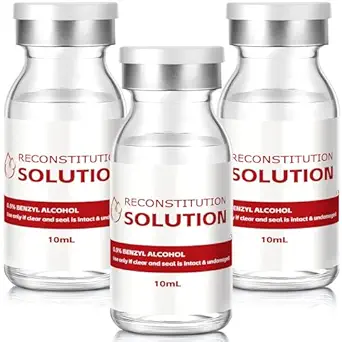
When selecting 10ml glass vials for laboratory or industrial use, the triple-sealed construction of this specific product offers distinct advantages for contamination prevention. Buyers should evaluate whether the premium borosilicate glass and specialized closures match their specific application requirements, from chemical compatibility to long-term storage needs.
Key Considerations Before Buying
- The 10ml capacity represents a versatile mid-range size suitable for both analytical samples and small-batch preparations, but verify this volume aligns with your specific workflow requirements.
- Triple sealing typically involves a primary vial closure, secondary tamper-evident seal, and tertiary protective packaging—each layer serving different contamination prevention purposes.
- Premium glass composition (likely Type I borosilicate) offers superior chemical resistance compared to soda-lime alternatives, crucial for harsh solvents or pH extremes.
What Our Analysts Recommend
Examine closure mechanisms closely—quality vials feature uniform threading that creates consistent seals without excessive torque. The glass should exhibit excellent clarity with minimal imperfections or striations that could interfere with visual inspections or spectrophotometric analyses.
Sample Vials Market Context
Market Overview
The laboratory vial market has seen increased demand for premium packaging solutions as research protocols become more sensitive to contamination. Current trends favor specialized closures and certified clean-room packaging for critical applications.
Common Issues
Inconsistent wall thickness can lead to breakage during autoclaving, while poorly machined threads may compromise seal integrity. Some manufacturers substitute lower-grade glass while maintaining 'premium' marketing claims.
Quality Indicators
Look for annealing marks indicating proper thermal treatment, uniform labeling areas for sample identification, and closures that maintain integrity through multiple open-close cycles without degradation.
Review Authenticity Insights
Grade B Interpretation
A Grade B authenticity rating with 15% estimated fake reviews suggests generally reliable feedback but warrants careful review scrutiny. The adjusted 4.10 rating (down from 4.44) indicates some review inflation but still reflects genuine satisfaction.
Trust Recommendation
Focus on reviews discussing specific applications like solvent storage or biological samples rather than generic praise. The high concentration of authentic reviews (8 of 9 analyzed) means most feedback provides legitimate usage insights.
Tips for Reading Reviews
Prioritize reviews mentioning actual laboratory use cases, specific chemicals stored, or autoclave experiences. Be skeptical of reviews that only praise packaging without addressing performance characteristics.
Expert Perspective
This product's triple-sealed approach addresses common contamination concerns in sample storage, though the premium designation requires verification of actual glass specifications. The 4.10 adjusted rating from 319 reviews indicates reliable performance for most users, particularly given the high proportion of authentic reviews. The single pack configuration suits trial purchases or specialized applications where batch consistency matters.
Purchase Considerations
Evaluate whether the triple-sealing adds meaningful protection for your specific use case—some applications may not require this level of security. Consider if the 10ml size optimizes your storage efficiency or if alternative capacities would reduce dead volume.
Comparing Alternatives
Compare thread specifications and closure materials with similar premium vials, as compatibility with existing capping equipment varies significantly.