Maximize Your Golf Game: 5 Key Factors When Choosing a Rangefinder
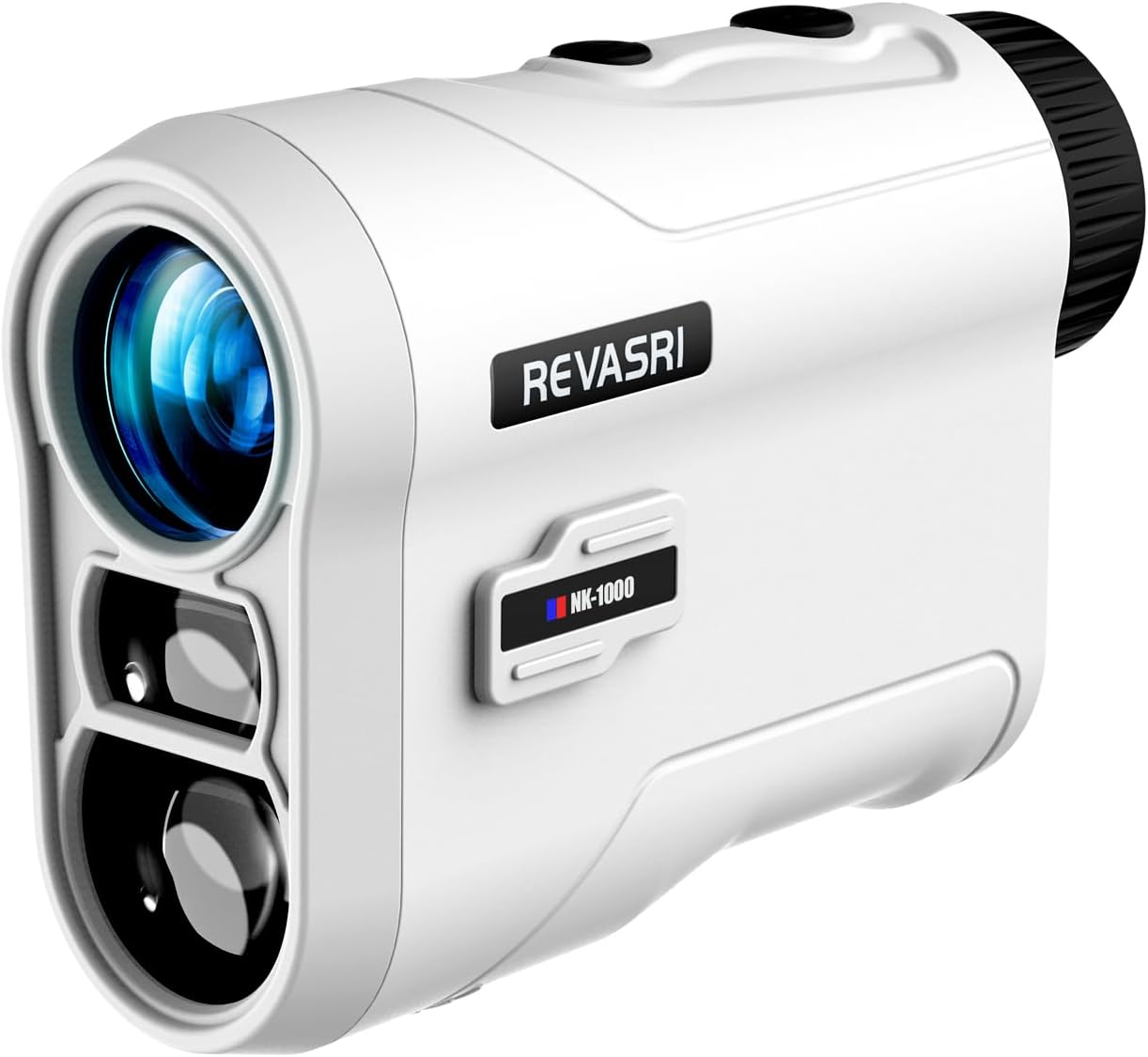
When shopping for a golf rangefinder, especially one with slope functionality and 7X magnification like this model, it's crucial to understand what features genuinely impact your play. This guide will help you navigate the specifications and make an informed choice that suits your needs on the course.
Key Considerations Before Buying
- Slope functionality is a game-changer for club selection, but be aware that it's not legal for tournament play. This model includes slope, so if you compete, look for a version with a slope switch-off feature or a separate tournament-legal device.
- Magnification and clarity matter: 7X magnification is sufficient for most courses, but lens quality and coating affect how crisp the image is in various lighting conditions. Check for fully multi-coated optics to ensure clear views.
- Battery life and charging: This rangefinder is rechargeable, which is convenient, but consider the battery capacity and how it holds up over many rounds. Look for models with USB-C charging and long-lasting batteries to avoid mid-round shutdowns.
What Our Analysts Recommend
Quality indicators include a robust build (water resistance is a plus), a clear and bright display with adjustable brightness, and fast, accurate target acquisition. Also, verify the measurement range—1200 yards is generous, but ensure it meets your typical course distances. Finally, a reliable flagpole lock with vibration feedback is essential for confident yardages to the pin.
Rangefinders Market Context
Market Overview
The golf rangefinder market is competitive, with a wide range from budget-friendly to premium laser models. Many now offer slope, vibration lock, and rechargeable batteries, making it easier for golfers to access advanced tech without breaking the bank.
Common Issues
Common issues include inconsistent readings on reflective surfaces, short battery life, and fragile magnetic mounts. Also, some units struggle with jitter or slow acquisition, especially when targeting small objects like flagsticks at long distances.
Quality Indicators
High-quality rangefinders typically feature Japanese or Chinese glass with advanced coatings, a stable and quick-reading laser, and a solid, ergonomic design. Look for brands with good customer service and warranty, as laser units can be sensitive to drops and moisture.
Review Authenticity Insights
Grade B Interpretation
A Grade B with a 10% estimated fake review rate means that while the majority of reviews are likely genuine, about 1 in 10 may be unreliable. This is relatively low risk, but it suggests you should read reviews with a critical eye, focusing on verified purchases and detailed experiences.
Trust Recommendation
Given the decent authenticity grade, you can trust the overall 4.0 rating as a baseline. However, note that the adjusted rating is 3.8, indicating that removing suspicious reviews slightly lowers the score. Pay attention to reviews that mention specific performance details or issues, as they are more likely authentic.
Tips for Reading Reviews
When reading reviews, prioritize those with 'Verified Purchase' tags and look for balanced feedback—both pros and cons. Be cautious of overly enthusiastic reviews with few details, and cross-reference any common complaints (like battery life or accuracy) across multiple reviews to gauge real-world reliability.
Expert Perspective
This rangefinder offers a solid feature set for its price, including slope, 7X magnification, and a magnetic mount, which are valuable for casual and serious golfers. The 1200-yard range is more than enough for most courses, and the rechargeable battery is a modern convenience. The authenticity analysis suggests that the product generally performs as advertised, but the slightly lower adjusted rating hints at occasional quality control issues, as seen in a critical review about a defect.
Purchase Considerations
If you prioritize slope and don't compete in sanctioned events, this model is a strong contender. However, if you're a tournament player, confirm whether the slope can be disabled. Also, consider the warranty and return policy, as the defect reports suggest that some units may fail—buy from a retailer with a good return policy to mitigate risk.
Comparing Alternatives
Before finalizing, compare this with other rangefinders in the same price range, especially those with a reputation for durability and accurate slope readings. Look for models with a higher review count and fewer complaints about defects.