Choosing a multi-function EDC flashlight: balancing lumens, features, and pocketability
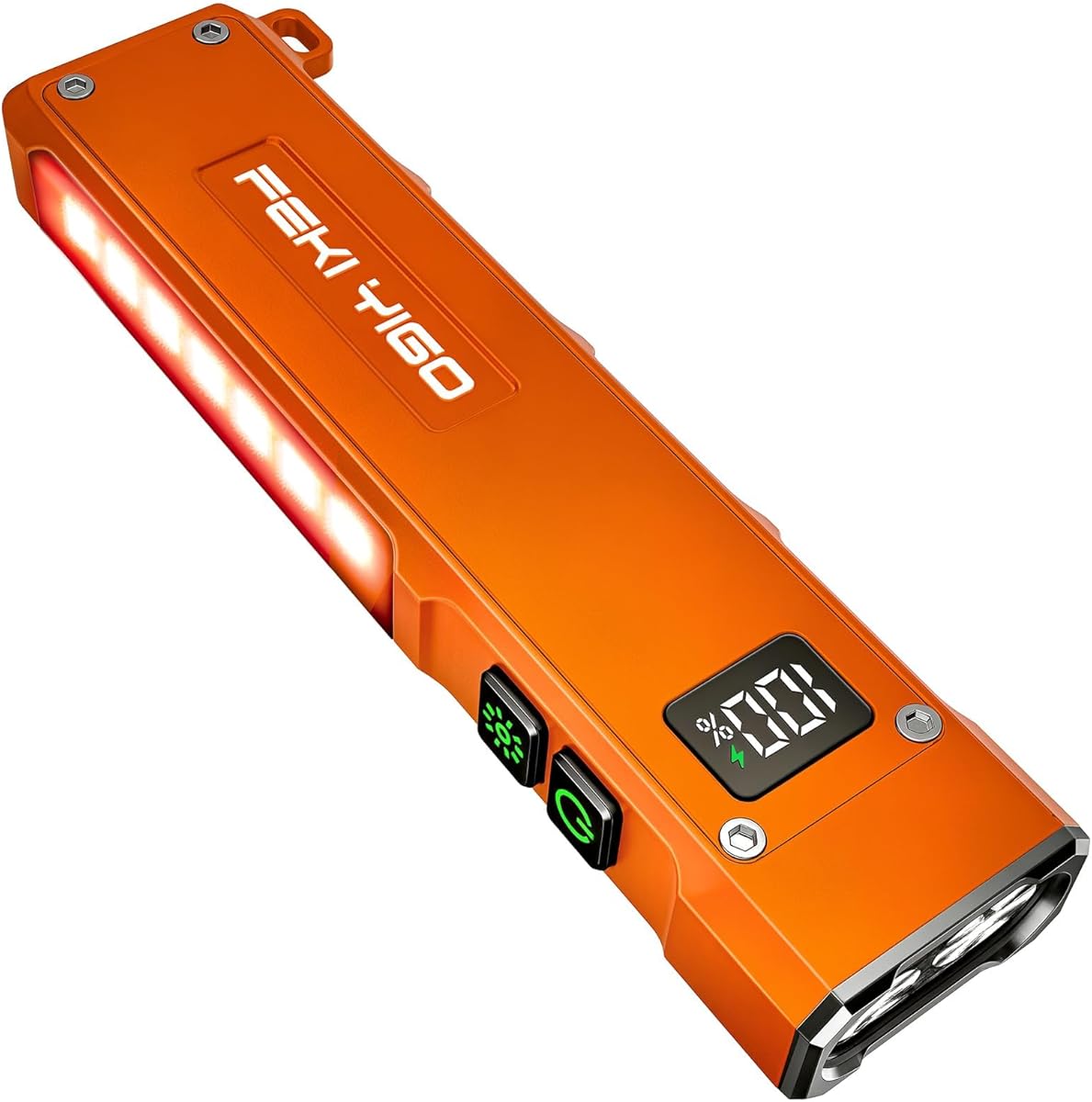
When evaluating the Feki Yigo Flat EDC Flashlight, buyers should understand it represents a modern hybrid category: a primary illumination tool augmented with specialty functions like 365nm UV inspection and RGB signaling. This specific model prioritizes a slim, flat profile for pocket carry while incorporating a digital display—a feature typically found in larger tactical lights. The combination of 1800 lumens, magnetic base, and multiple light modes creates a versatile but potentially complex tool that requires understanding your actual usage patterns beyond just maximum brightness claims.
Key Considerations Before Buying
- The 365nm UV light is optimized for detecting certain materials like pet stains or counterfeit currency, but its effectiveness depends on the specific wavelength purity, which varies significantly between models.
- A magnetic base adds utility for hands-free work in mechanical or emergency scenarios, but its holding strength on vertical or metallic surfaces is a critical performance factor not always specified.
- The flat 'EDC' form factor enhances pocket carry comfort but may compromise heat dissipation during sustained use of the maximum 1800-lumen output, potentially triggering step-downs in brightness.
What Our Analysts Recommend
For multi-mode flashlights like this, examine runtime graphs rather than peak lumen claims, as sustained output matters more than brief bursts. Quality indicators include consistent color temperature across brightness levels, intuitive mode cycling that avoids accidentally activating strobe or UV, and robust construction at the USB-C charging port, a common failure point. The IPX4 rating indicates protection against water splashes from any direction, suitable for rain but not submersion.
Handheld Flashlights Market Context
Market Overview
The handheld flashlight market has bifurcated into simple, high-value single-purpose lights and feature-packed EDC models like the Feki Yigo, with manufacturers increasingly integrating UV and colored LEDs to justify premium pricing. The 'flat flashlight' niche has grown significantly, appealing to users who prioritize pocket carry over cylindrical ergonomics, though thermal management remains an engineering challenge in this form factor.
Common Issues
Common problems in this category include overstated lumen ratings (often measured at the emitter rather than out-the-front), poor mode memory that defaults to blindingly bright settings, and weak magnets that detach with minimal movement. UV LEDs frequently degrade faster than white LEDs, losing intensity, while digital displays can drain standby battery life if not properly engineered.
Quality Indicators
Look for manufacturers that provide ANSI FL1 standard runtime measurements and candela ratings for beam intensity. High-quality multi-function lights feature regulated circuits for stable output as batteries drain, proper heatsinking visible in product teardowns, and premium switches with tactile feedback. The presence of a lockout mode to prevent accidental activation in a pocket is another mark of thoughtful design.
Review Authenticity Insights
Grade B Interpretation
A Grade B authenticity rating with an 11% estimated fake review percentage suggests the majority of feedback is credible, but shoppers should be slightly more vigilant than with an A-grade product. This level indicates most reviews show authentic ownership patterns, though there may be some incentivized or overly promotional content among the 181 total reviews.
Trust Recommendation
Focus on verified purchase reviews that mention specific use cases like automotive diagnostics (using the UV light to find leaks), camping setup with the magnetic base, or long-term durability observations. The adjusted rating of 4.40/5 after removing suspicious reviews is still strong and likely reflects genuine satisfaction, particularly regarding the unique flat form factor and multi-function capabilities.
Tips for Reading Reviews
For this product, prioritize reviews that discuss real-world battery life with mixed usage of white and UV LEDs, the practicality of the digital battery display, and the magnet's performance on different surfaces. Be cautious of reviews that only praise the packaging or unboxing experience without detailing functional performance over time.
Expert Perspective
The Feki Yigo represents a compelling convergence of EDC practicality and specialized functionality, with its 4.40 adjusted rating suggesting it delivers on most promises for the majority of users. The inclusion of a true 365nm UV light—rather than the more common but less effective 395nm—indicates attention to quality for that specific feature. However, the IPX4 rating places it squarely in the 'water-resistant' category, not suitable for heavy outdoor use where submersion is possible, which potential buyers for camping or emergency use should note. The digital display is a distinctive feature that provides precise battery status, addressing a common pain point in rechargeable flashlights.
Purchase Considerations
This flashlight makes the most sense for users who specifically need UV inspection capabilities alongside general illumination, particularly mechanics, homeowners, or hobbyists. The flat profile justifies choosing this over more traditional cylindrical lights if pocket carry is paramount. Consider whether you truly need RGB modes or if they add unnecessary complexity; for many, a simple white light with reliable UV would suffice.
Comparing Alternatives
Shoppers should compare runtime performance and beam profile with similarly priced cylindrical EDC lights from brands like Olight or Sofirn, which may offer higher waterproof ratings or better heat dissipation.