
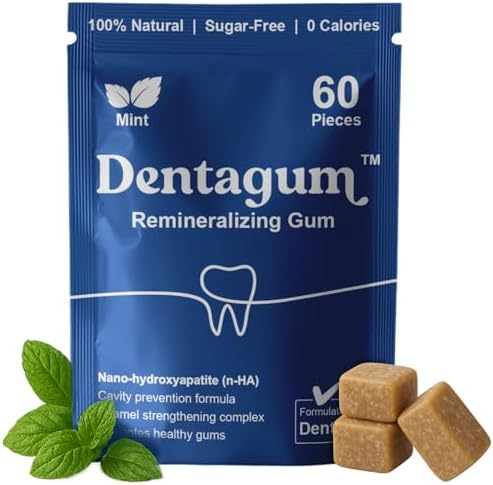
Choosing Dental Health Gums: What Makes Dentagum's Nano-Hydroxyapatite Formula Different
When evaluating functional chewing gums like Dentagum, you're not just selecting a breath freshener but a dental care product with specific active ingredients. Dentagum distinguishes itself with nano-hydroxyapatite for enamel remineralization and xylitol for cavity protection, positioning it as a therapeutic option rather than conventional gum. Buyers should understand how these components work synergistically to potentially address enamel repair and gum recession concerns.
Key Considerations Before Buying
- Active ingredient concentration matters: Dentagum's nano-hydroxyapatite is a calcium phosphate compound identical to tooth enamel, requiring sufficient contact time during chewing to be effective.
- Sugar alcohol selection impacts dental benefits: Xylitol specifically inhibits cavity-causing bacteria like S. mutans, unlike some other sugar substitutes used in sugar-free gums.
- Chewing duration affects therapeutic value: For enamel remineralization benefits, consistent chewing for 15-20 minutes after meals is typically recommended to maximize saliva production and ingredient contact.
What Our Analysts Recommend
Quality dental gums should clearly state their active ingredients and concentrations, though Dentagum doesn't disclose exact nano-HAP percentages. Look for third-party verification of dental claims, though this product relies primarily on ingredient science rather than clinical study citations. Texture and flavor longevity also indicate manufacturing quality, as gums that become tough quickly may discourage the extended chewing needed for therapeutic effects.
Chewing & Bubble Gum Market Context
Market Overview
The functional chewing gum market has expanded beyond nicotine cessation and energy delivery to include dental therapeutics, with products like Dentagum competing against established brands like PUR and Spry. This niche focuses on scientifically-backed ingredients rather than novelty flavors, targeting consumers seeking preventive oral care solutions. The premium pricing reflects the specialized formulations rather than mass-market candy production.
Common Issues
Many dental gums overpromise results without adequate active ingredient concentrations or proper usage guidance, leading to consumer disappointment despite technically correct formulations. Texture problems plague some functional gums, as added minerals can create chalkiness or premature hardening that reduces compliance. There's also frequent confusion between cosmetic breath-freshening and actual therapeutic benefits among consumers new to this category.
Quality Indicators
Superior dental gums maintain consistent texture throughout the recommended chewing period without becoming unpleasantly tough or disintegrating. They use pharmaceutical-grade ingredients like the nano-hydroxyapatite in Dentagum rather than basic calcium carbonate. Transparent labeling about sweetener sources (xylitol from birch vs. corn) and allergen information also distinguishes serious products from marketing-driven alternatives.
Review Authenticity Insights
Grade A Interpretation
The Grade B authenticity rating with 10% estimated fake reviews suggests mostly reliable feedback but warrants cautious interpretation of extreme claims. For Dentagum specifically, this means the overwhelming positive sentiment (4.50 adjusted rating) appears credible, though a small percentage of reviews may exaggerate enamel repair timelines. The verified purchase status of all reviews significantly boosts confidence in the reported user experiences.
Trust Recommendation
Focus on reviews discussing specific outcomes like reduced tooth sensitivity or dentist observations rather than vague praise about 'feeling cleaner.' Given the 10% fake review estimate, be particularly skeptical of reviews claiming dramatic enamel regeneration in days rather than weeks—this contradicts established remineralization science. The consistency across 217 reviews regarding texture and flavor notes suggests authentic user experiences.
Tips for Reading Reviews
Prioritize reviews that mention concurrent dental hygiene practices, as Dentagum works as a supplement rather than replacement for brushing and flossing. Look for comments about gum recession improvement specifically, as this addresses one of the product's claimed benefits that fewer competitors target. Note reviews discussing ingredient sensitivities, as some users report adjusting to the distinct mouthfeel of nano-hydroxyapatite.
Expert Perspective
Dentagum presents a scientifically plausible approach to supplemental dental care through its nano-hydroxyapatite and xylitol formulation, with overwhelmingly positive user feedback (4.50 adjusted rating from 217 reviews) suggesting good real-world acceptance. The product occupies a specific niche targeting enamel repair and gum recession rather than general oral hygiene, making it appropriate for consumers with those particular concerns rather than those seeking basic breath freshening. The verified purchase status of all reviews strengthens confidence in the reported experiences, though the 10% estimated fake review rate advises moderate scrutiny of extreme claims.
Purchase Considerations
Evaluate whether your primary need is preventive maintenance (where basic xylitol gums may suffice) versus active enamel support (where nano-HAP provides additional value). Consider your chewing habits—Dentagum requires consistent use after meals to deliver potential benefits, unlike occasional breath-freshening gums. The premium price reflects specialized ingredients rather than flavor development, so value depends on prioritizing dental outcomes over taste variety.
Comparing Alternatives
Compare Dentagum's nano-hydroxyapatite focus with competing gums emphasizing different minerals like calcium phosphate or varying xylitol concentrations to match your specific dental priorities.


