
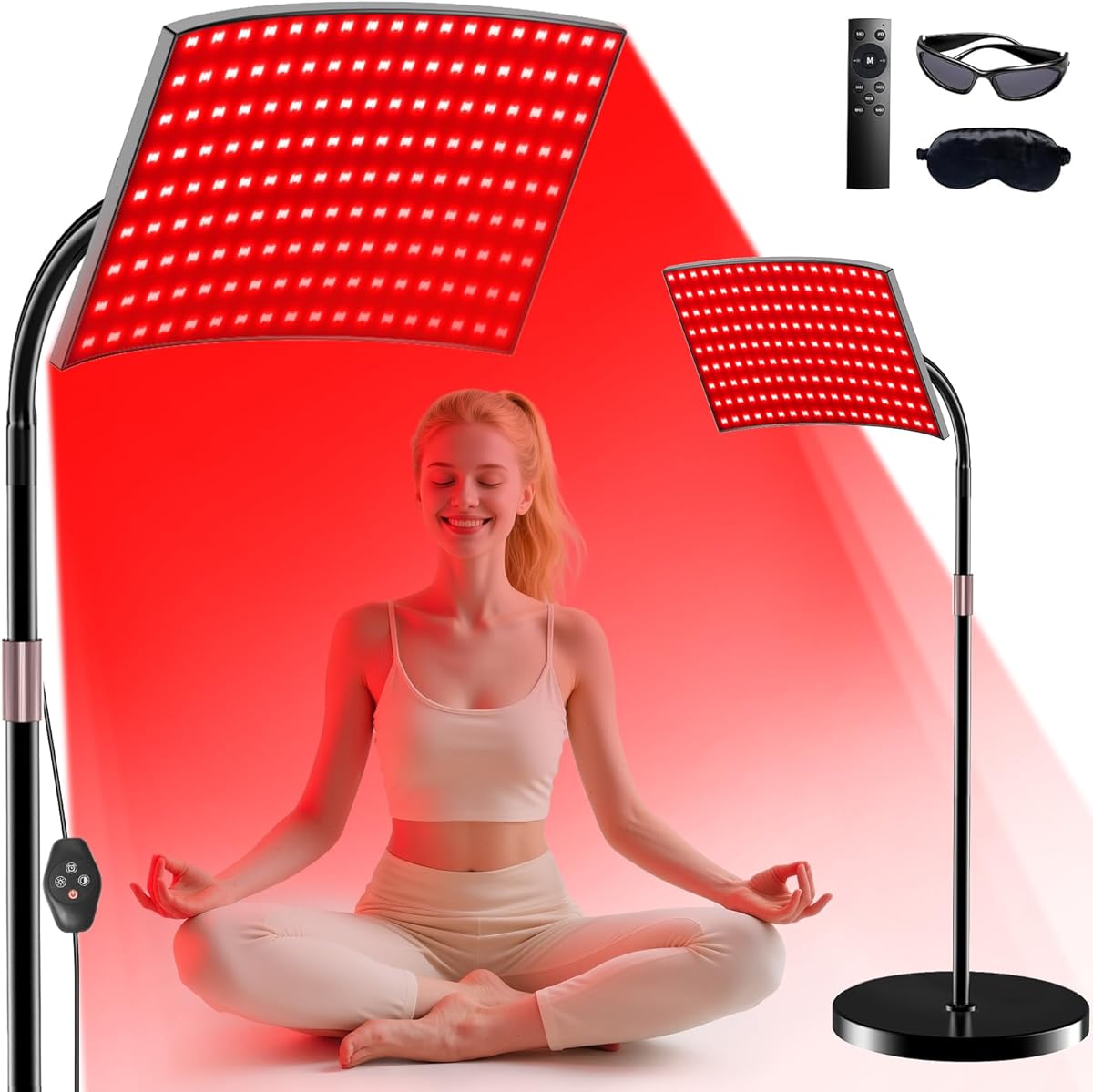
Evaluating Large Panel Red Light Therapy Devices for Effective At-Home Treatment
This specific 660nm & 850nm dual-wavelength panel represents a popular entry point into at-home red light therapy, offering full-body coverage that distinguishes it from smaller facial devices. Buyers should understand that effective therapy requires proper wavelength combination, sufficient irradiance, and consistent usage protocols to achieve desired results.
Key Considerations Before Buying
- The 660nm (red) and 850nm (near-infrared) combination targets different tissue depths—superficial skin concerns versus deeper muscle and joint issues—making this panel versatile but requiring understanding of which wavelength to prioritize for specific conditions.
- Large panels like this require adequate mounting or positioning solutions; consider whether you have wall space or a sturdy stand, as proper distance (typically 6-12 inches) is crucial for effective light penetration.
- Treatment time commitment is significant with large panels; genuine reviews mention 10-20 minute daily sessions, so assess whether you'll maintain consistency for the weeks typically needed to notice results.
What Our Analysts Recommend
Quality indicators include consistent LED spacing across the entire panel, minimal heat generation during extended use, and clear safety certifications for eye protection. The panel's construction should feel substantial, not flimsy, as cheaper units often compromise on LED quality and heat dissipation.
Light Therapy Market Context
Market Overview
The at-home red light therapy market has exploded with panels ranging from small wands to full-body beds, creating confusion about efficacy claims. This specific large panel category competes directly with professional clinic devices but at 10-20% of the cost, making it appealing for consistent home use.
Common Issues
Many users report inconsistent results due to improper distance or duration, while cheaper panels suffer from uneven light distribution or LEDs that degrade quickly. The 'Valentines Gift' positioning in this listing suggests marketing toward wellness rather than medical use, which aligns with typical consumer applications.
Quality Indicators
Beyond wavelength specifications, examine irradiance measurements (mW/cm²), total joules delivered per session, and whether the manufacturer provides third-party testing data. Quality panels maintain consistent output across all LEDs and include timers for precise dosing.
Review Authenticity Insights
Grade B Interpretation
A Grade B with 15% estimated fake reviews indicates generally reliable feedback but suggests some review manipulation, common in competitive wellness categories. The 0.32-point drop from displayed to adjusted rating (4.22 to 3.90) reveals inflated initial impressions that settle into more realistic experiences.
Trust Recommendation
Focus on verified purchase reviews mentioning specific conditions like 'knee arthritis' or 'facial redness' rather than vague 'feels great' comments. The 341-review sample provides sufficient data points to identify consistent patterns about build quality and real-world results.
Tips for Reading Reviews
Prioritize reviews discussing measurable outcomes over time ('reduced inflammation after 3 weeks') and those noting technical details like 'even light coverage' or 'quiet operation.' Be skeptical of reviews repeating marketing phrases verbatim or claiming miraculous overnight results.
Expert Perspective
This panel's dual-wavelength approach and large format position it as a serious home therapy option, though the 3.90 adjusted rating suggests some quality or consistency issues. The significant review volume provides confidence in reported patterns: most users experience benefits with consistent use, but expectations must align with realistic timelines (weeks, not days). The wellness gifting angle may attract users less committed to therapeutic protocols, potentially explaining some disappointed reviews.
Purchase Considerations
Weigh the convenience of at-home treatment against the discipline required for daily sessions. Consider whether your primary needs align with the 660nm (skin, surface) or 850nm (muscle, joint) emphasis, as some conditions respond better to specific wavelengths. The large panel format suits full-body users but may be excessive for facial-only concerns.
Comparing Alternatives
Compare this panel's specifications against similar-sized competitors on irradiance output, warranty length, and included accessories like stands or protective goggles.


