
Choosing 5x1mm Neodymium Magnets: Strength, Quantity, and Coating Considerations
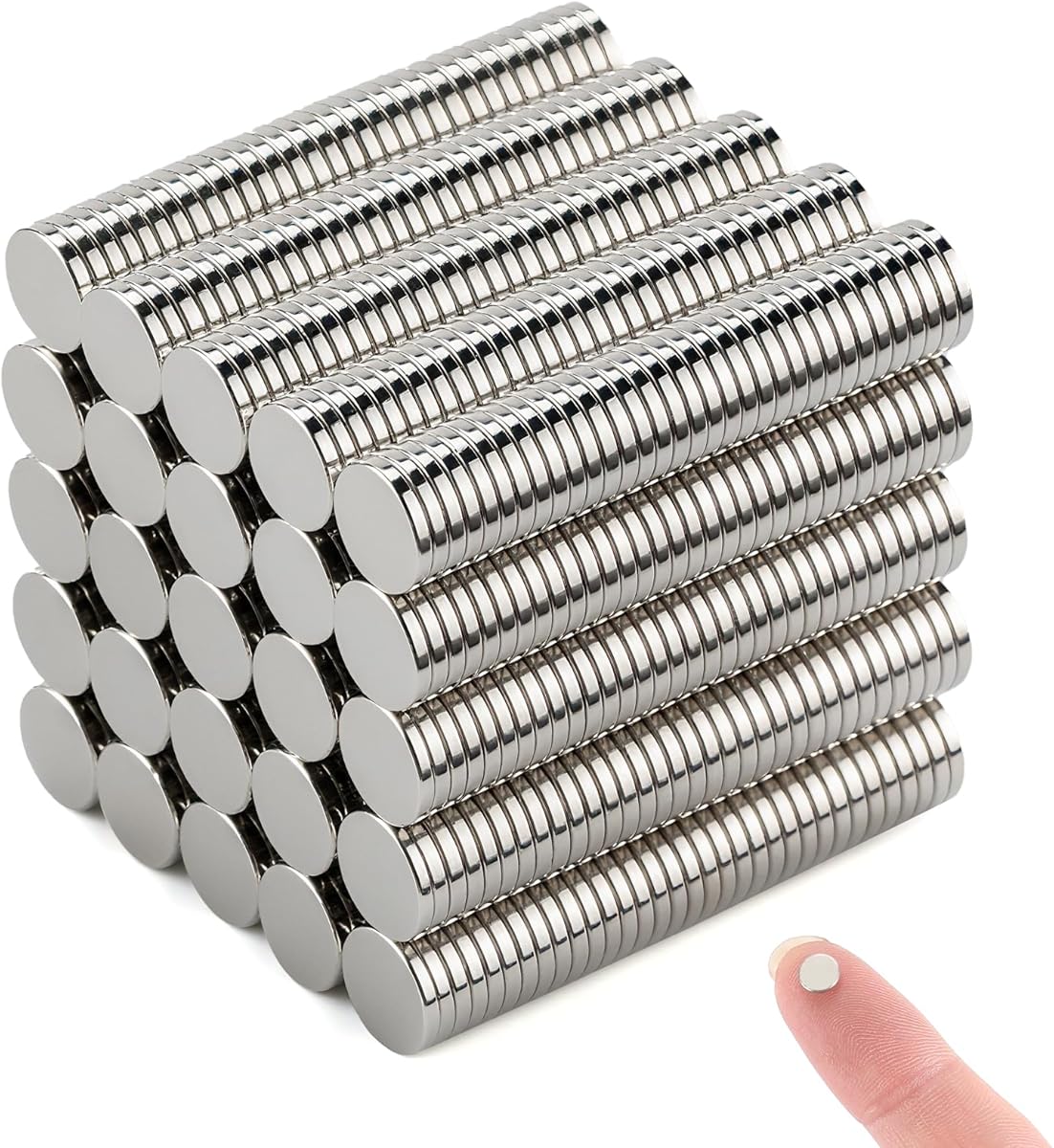
When purchasing small rare earth magnets like the DIYMAG 1000-pack of 5x1mm discs, buyers should understand that millimeter differences in diameter and thickness dramatically impact holding force. These specific 5mm diameter by 1mm thick magnets represent a versatile middle ground between tiny craft magnets and larger industrial ones, suitable for lightweight hanging tasks but not for heavy structural applications. The 1000-count quantity indicates this product targets bulk users for organization, workshop projects, or small business needs rather than occasional household use.
Key Considerations Before Buying
- The nickel plating on these magnets matters more than you might think—cheap coatings chip during handling, exposing the neodymium core to oxidation that permanently weakens magnetic strength within months.
- With 1000 magnets in one package, storage becomes a genuine concern; these powerful magnets will attract each other through plastic bags and require careful separation to avoid pinching injuries or difficult disentanglement.
- The 5x1mm size creates specific use limitations: they can hold 2-3 sheets of paper to metal surfaces reliably but struggle with thicker materials like chipboard or anything requiring pull force over approximately 1.1 pounds per magnet.
What Our Analysts Recommend
Quality indicators for small neodymium magnets include consistent sizing within 0.1mm tolerance (critical for stacking or precise DIY applications) and smooth, uniform plating without visible pits or discolorations. Genuine rare earth magnets should arrive with minimal powder residue—excessive black dust suggests poor manufacturing control and potential coating defects. For refrigerator use specifically, check that the plating is truly nickel rather than cheaper zinc coatings that tarnish quickly in humid kitchen environments.
Refrigerator Magnets Market Context
Market Overview
The small neodymium magnet market has become increasingly commoditized, with countless sellers offering seemingly identical bulk packs, making differentiation difficult for consumers. Most products in the 5x1mm size range compete primarily on price-per-unit and packaging convenience rather than technological innovation, creating a market where manufacturing consistency varies significantly between brands despite similar specifications.
Common Issues
Buyers frequently encounter magnets with inconsistent strength within the same batch, where some magnets demonstrate noticeably weaker pull force—a sign of poor quality control during the sintering process. Another widespread problem involves misleading advertising about 'N52 grade' magnets that actually perform at lower N35-N42 levels, particularly problematic for precision applications like sensor projects or magnetic closures.
Quality Indicators
Beyond advertised specifications, examine customer photos showing magnets arranged in grids—consistent spacing and alignment indicate precise manufacturing tolerances. Look for sellers who disclose the actual neodymium grade (N35, N42, N52) rather than just 'strong rare earth,' and prioritize products whose reviews mention consistent performance across multiple purchases over time.
Review Authenticity Insights
Grade B Interpretation
The Grade B authenticity rating with 11% estimated fake reviews suggests that while most feedback represents genuine experiences, approximately 1 in 9 reviews may be artificially positive. For this specific product category—small commodity magnets—this typically manifests as reviews emphasizing 'unbelievable strength' without specific use cases or comparisons to other magnets the reviewer has actually tested.
Trust Recommendation
Focus on reviews that describe specific applications like 'holding my child's artwork to the refrigerator' or 'organizing tools in my workshop' rather than generic praise about magnetic properties. Given the 4.00 adjusted rating (down from 4.22), pay particular attention to critical 3-star reviews, which often provide the most balanced assessments of actual performance versus expectations.
Tips for Reading Reviews
For technical products like precision magnets, prioritize reviews containing measurable observations ('holds 5 sheets of cardstock securely' or 'approximately 20% stronger than the 4mm magnets I previously purchased'). Be skeptical of reviews that only discuss packaging or delivery speed without addressing the magnets' actual performance in real applications.
Expert Perspective
The DIYMAG 1000-pack represents a solid bulk option for users who genuinely need this quantity, with its 4.00 adjusted rating reflecting generally satisfactory performance for basic applications. However, the 11% fake review percentage warrants caution—this suggests some exaggeration in marketing claims, particularly regarding uniformity and coating durability. The product's positioning as suitable for 'refrigerator, DIY, crafts, kitchen & office' accurately reflects its versatility for lightweight applications but overstates capabilities for anything requiring substantial holding force.
Purchase Considerations
Evaluate whether you truly need 1000 magnets—this quantity often leads to waste or storage issues for casual users. Consider that at this price point, coating quality typically represents the primary compromise; these magnets may develop corrosion spots if used in humid environments like bathrooms or outdoor projects. For refrigerator use specifically, their small size works well for photos and notes but requires multiple magnets for heavier items like kitchen timers or bottle openers.
Comparing Alternatives
Shoppers should compare coating specifications and diameter/thickness tolerances with similar-priced options from brands like Sourcing Map or Master Magnetics, as subtle manufacturing differences significantly impact long-term performance.


