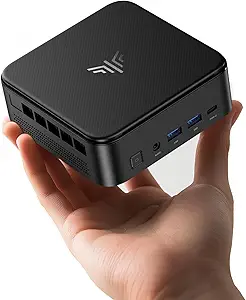
Evaluating the ACEMAGIC M1: A High-Spec Mini PC with Questionable Review Authenticity
The ACEMAGIC M1 Mini PC presents a compelling hardware package with its Intel Core i9-11900H processor and 32GB RAM, but its review profile requires careful scrutiny. Buyers considering this compact desktop should understand the specific trade-offs of an 11th-gen H-series mobile CPU in a mini form factor, particularly regarding thermal performance and real-world speed versus the advertised 4.9GHz boost clock.
Key Considerations Before Buying
- The Intel Core i9-11900H is a mobile processor repurposed for desktop use; while powerful, its sustained performance in a mini PC chassis depends heavily on the cooling solution, which isn't detailed in the product listing.
- With 4K triple display support via HDMI, DisplayPort, and Type-C, verify the specific resolutions and refresh rates achievable simultaneously, as some mini PCs share bandwidth across ports.
- The inclusion of a 2.5G LAN port and WiFi 6 is excellent for connectivity, but real-world network performance in mini PCs can be affected by internal layout and antenna placement.
What Our Analysts Recommend
For mini PCs like the ACEMAGIC M1, prioritize reviews that discuss thermal throttling during extended use, fan noise levels under load, and actual SSD performance (not just capacity). Look for mentions of build quality, specifically the chassis material and port durability, as these are common failure points in budget-oriented mini computers.
Minis Market Context
Market Overview
The mini PC market is currently flooded with brands like ACEMAGIC offering high-spec configurations at aggressive prices, often using older-generation mobile processors. Competition is fierce, with established players like Intel NUC and newer entrants from Beelink and Minisforum driving rapid iteration.
Common Issues
Common problems in this segment include inconsistent power delivery, thermal throttling that negates processor advantages, and variability in component quality (especially SSDs and WiFi modules). Many units also ship with bloated or poorly configured Windows installations.
Quality Indicators
Quality mini PCs demonstrate stable performance benchmarks, use name-brand memory and storage (not just generic specifications), and provide accessible BIOS/UEFI options for power users. Transparent cooling system design and manufacturer software support are also key differentiators.
Review Authenticity Insights
Grade D Interpretation
A Grade D authenticity score and 42% estimated fake review rate for the ACEMAGIC M1 indicate significant manipulation of its rating profile. The extreme bias—93% 5-star reviews—is statistically improbable for any electronics product, especially one in the competitive mini PC category where nuanced feedback is common.
Trust Recommendation
Given the authenticity concerns, place minimal weight on the inflated 4.93/5 average rating. Instead, focus on the adjusted 3.90/5 rating and scrutinize the handful of mid-range and critical reviews for genuine user experiences. Be particularly skeptical of reviews that don't mention specific use cases or thermal performance.
Tips for Reading Reviews
For this product, prioritize reviews that discuss setup challenges, driver compatibility, or performance in specific applications like video editing or gaming. Authentic reviews often mention minor negatives alongside positives, unlike the uniformly glowing 5-star reviews detected here.
Expert Perspective
The ACEMAGIC M1's specifications are impressive on paper, but the severe authenticity issues with its reviews create substantial purchase risk. The combination of an older 11th-gen mobile CPU in a mini format raises legitimate questions about sustained performance that the questionable reviews fail to address honestly. While the 32GB RAM and 1TB SSD configuration is generous, the value proposition depends entirely on real-world reliability that the current review ecosystem cannot verify.
Purchase Considerations
Weigh the attractive hardware specifications against the high likelihood that the review sentiment is artificially inflated. Consider whether you need the specific i9-11900H configuration or if a more established brand with verifiable reviews might offer better long-term value. The lack of critical feedback makes it difficult to assess true weaknesses.
Comparing Alternatives
Shoppers should compare the ACEMAGIC M1 against similarly configured mini PCs from brands with more transparent review histories, paying particular attention to thermal management solutions and warranty terms.