How to Choose Winter Gloves That Balance Warmth, Dexterity, and Touchscreen Use
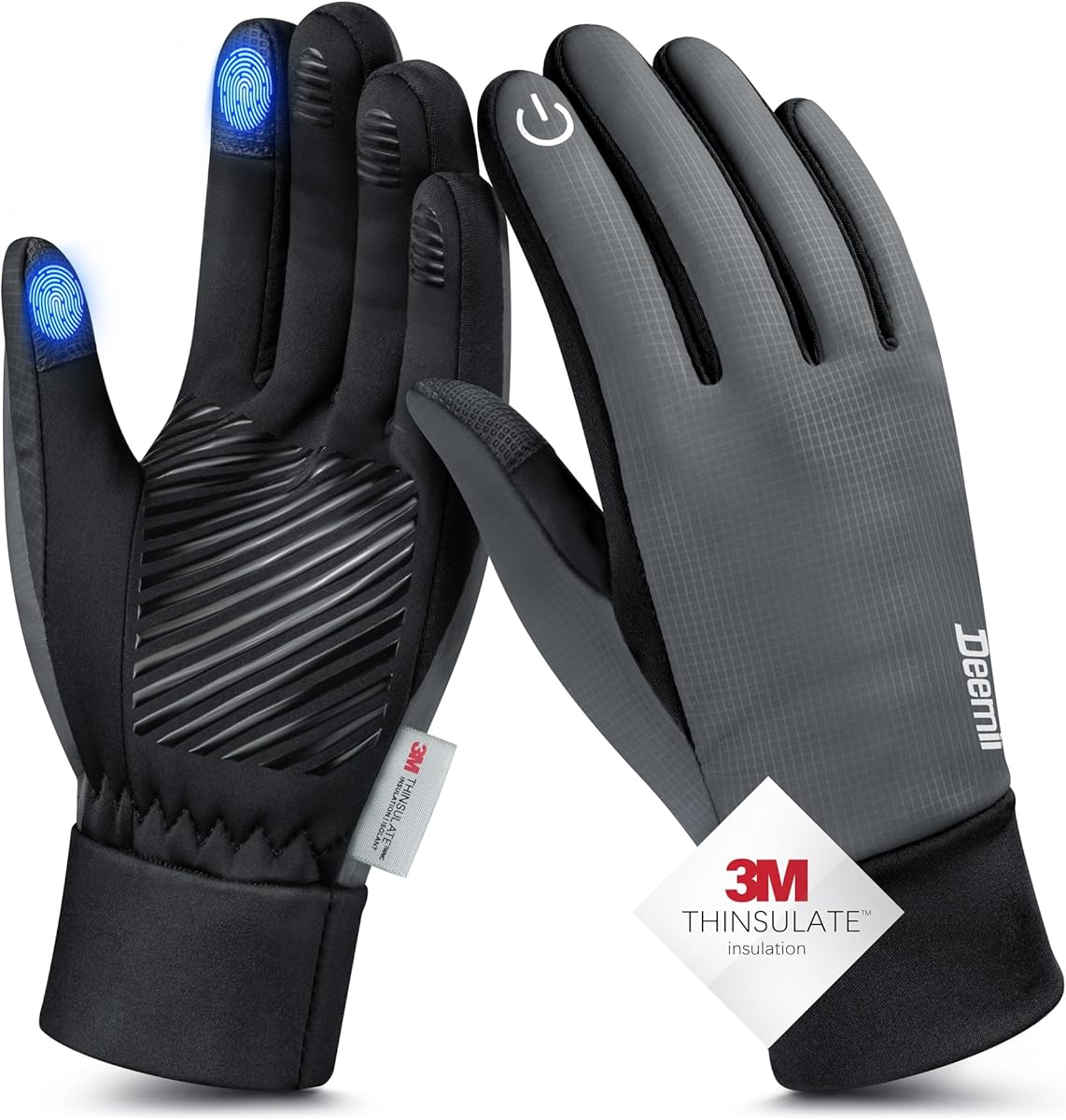
When shopping for winter gloves, you'll encounter a trade-off between insulation and dexterity—especially with 3M Thinsulate models like these, which promise lightweight warmth and touchscreen compatibility. This guide covers what to prioritize so you get gloves that actually work for your cold-weather activities.
Key Considerations Before Buying
- Thinsulate rating: 3M Thinsulate comes in different weights (e.g., 40g, 80g, 100g). For running or driving, a lighter weight (40g) is ideal for dexterity; for deep winter, look for 80g or higher. This product doesn't specify the weight, so check reviews for warmth in your typical conditions.
- Touchscreen functionality: Not all touchscreen gloves work equally well. The conductive material is usually only on the thumb and index finger, and it can wear out over time. Look for gloves where the conductive threads are integrated into the fabric rather than applied as a coating.
- Water resistance vs. waterproofing: 'Water resistant' means the gloves can handle light rain or snow but won't keep your hands dry in heavy precipitation or if submerged. If you need full waterproofing, look for gloves with a membrane like Gore-Tex or a similar insert.
What Our Analysts Recommend
Check the stitching and seams: poor construction leads to early failure at stress points like the thumb crotch. Also, look for a snug but not tight fit—gloves that are too loose reduce dexterity and warmth, while too-tight gloves restrict circulation. Finally, read reviews for durability, especially if you plan to use them for cycling or driving where grip and abrasion resistance matter.
Mittens Market Context
Market Overview
The winter glove market is saturated with options ranging from cheap synthetic knits to high-end leather and technical fabrics. 3M Thinsulate has become a trusted name for lightweight insulation, but its presence doesn't guarantee quality—manufacturers can use minimal amounts or pair it with subpar shells. Consumers increasingly expect touchscreen compatibility, but the technology often compromises durability.
Common Issues
Common complaints in this category include touchscreen fingers that stop working after a few weeks, water resistance that fails in moderate rain, and sizing inconsistencies between brands. Another frequent issue is that gloves advertised as 'thermal' are only warm enough for mild winter days, not extreme cold.
Quality Indicators
High-quality winter gloves typically feature reinforced palms and fingers for grip and wear, a soft lining for comfort, and precise stitching. Brand reputation matters, but so do specific materials: genuine leather palms, breathable membranes, and elastic cuffs that seal out cold. Look for gloves that specify the Thinsulate weight and provide a temperature rating.
Review Authenticity Insights
Grade A Interpretation
An adjusted rating of 4.10/5 from 1,447 reviews, with a Grade A authenticity score and only 5% estimated fake reviews, indicates that the feedback is largely trustworthy. This means you can rely on the overall sentiment, though you should still read recent reviews to catch any batch-specific issues.
Trust Recommendation
Given the high authenticity, you can confidently use the review distribution to gauge satisfaction. Pay attention to reviews that mention specific use cases (e.g., running, driving) and durability over time. The 5% fake reviews are unlikely to significantly skew the rating, but as always, look for patterns in negative reviews.
Tips for Reading Reviews
For winter gloves, focus on reviews that mention your intended activity and climate. Look for comments on warmth in specific temperatures, touchscreen responsiveness after repeated use, and water resistance in real conditions. Also, check if reviewers mention sizing—whether the gloves run small or large—and how the gloves hold up after washing.
Expert Perspective
These 3M Thinsulate gloves appear to be a solid choice for mild to moderate winter conditions, with a trustworthy review base that suggests they deliver on warmth and touchscreen functionality for many users. However, the lack of specified Thinsulate weight and water resistance details means they may not suffice for extreme cold or heavy precipitation. The 4.10 adjusted rating indicates general satisfaction, but the 5% fake review estimate reminds us to read critically.
Purchase Considerations
Before buying, consider your typical winter temperatures and activities. If you need gloves for intense running or driving, these could be ideal due to their lightweight design. But if you face sub-zero temperatures or wet snow, you might need a heavier, waterproof option. Also, check the return policy in case the fit or warmth isn't right.
Comparing Alternatives
Compare with other Thinsulate gloves that specify insulation weight and waterproofing, as well as brands known for durability in touchscreen gloves. Reading side-by-side reviews can help you find the best match for your specific needs.