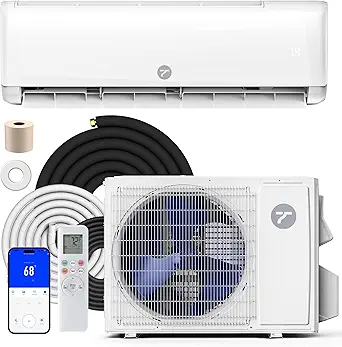
Mastering 110/120V Mini Splits: SereneLife's 12K BTU Power & Pitfalls
When considering the SereneLife 12,000 BTU mini split, you're looking at a unique 110/120V system that avoids the need for expensive 240V electrical work—a major plus for DIYers. This model also packs a 20 SEER2 rating and WiFi control, but its 10% questionable review rate suggests you need to scrutinize installation and long-term reliability claims closely.
Key Considerations Before Buying
- Voltage matters: This unit runs on standard 110/120V, making it plug-and-play for most US homes, but it may struggle to heat or cool larger open-concept spaces compared to 240V alternatives. Verify your room's square footage against the 12,000 BTU capacity.
- Installation complexity: While the kit is included, wall-mounting both indoor and outdoor units requires precise leveling, refrigerant line flaring, and electrical connections. Many verified reviews cite installation challenges, so budget for a professional if you're not handy.
- SEER2 efficiency: A 20 SEER2 rating is excellent for energy savings, but realize this efficiency depends on proper sizing and installation. An oversized or poorly installed unit will short-cycle and waste power, negating the efficiency benefit.
What Our Analysts Recommend
In mini splits, look for a unit with a reputable compressor brand (e.g., GMCC or Hitachi) and inverter technology for consistent temperature control. Check that the included installation kit has pre-flared lines and a condensate pump option, as missing accessories are a common complaint in this category.
Split-System Market Context
Market Overview
The split-system market is booming as homeowners seek energy-efficient alternatives to window units and central HVAC, with 110/120V models filling a niche for older homes without 240V wiring. Brands like SereneLife compete on price and features like WiFi, but reliability and support vary widely.
Common Issues
Common problems in this category include refrigerant leaks from poorly flared lines, faulty thermostat sensors, and WiFi connectivity drops. The 10% suspicious review rate for SereneLife aligns with industry-wide trends where early positive reviews may not reflect long-term durability.
Quality Indicators
Quality mini splits typically include a multi-stage filtration system, a compressor with a 5+ year warranty, and robust outdoor unit casing to withstand weather. Look for units with UL or ETL certification and clear documentation for self-installers—both signs of a manufacturer that stands behind its product.
Review Authenticity Insights
Grade B Interpretation
A Grade B with 10% questionable reviews means the vast majority of feedback is trustworthy, but you should approach the most glowing 5-star reviews with caution—especially those lacking installation details. The 4.44 adjusted rating drops to 4.20 after filtering, a modest but meaningful shift that suggests some overhyped claims.
Trust Recommendation
Trust the detailed, balanced reviews that mention both pros (quiet operation, easy WiFi setup) and cons (difficult flaring, slow customer service). Avoid reviews that only praise the price or shipping speed, as these are common fake review patterns. Focus on feedback from verified purchasers who describe specific room sizes and installation steps.
Tips for Reading Reviews
For mini splits, prioritize reviews that discuss cooling/heating performance in extreme weather, as this reveals real BTU output. Also look for photos of the installed unit—they often expose poor line routing or missing parts that text reviews gloss over. Filter by 'most recent' to catch any quality shifts in newer batches.
Expert Perspective
The SereneLife 12,000 BTU mini split offers compelling value for its 110/120V convenience and 20 SEER2 efficiency, but the 10% fake review rate and Grade B authenticity score signal that not all claims are equal. Verified user feedback highlights strong cooling performance and intuitive WiFi, yet installation hurdles and occasional reliability issues are recurring themes. This unit is a solid choice for budget-conscious buyers who can manage or pay for proper setup, but it may not match premium brands in long-term durability.
Purchase Considerations
Weigh the upfront savings against potential installation costs—if you need a pro, the total may approach higher-end models with better support. Also consider your climate: this unit's heat pump works well in mild winters but may struggle below freezing without a backup source.
Comparing Alternatives
Shoppers should compare this with other 110/120V mini splits like the Pioneer or Senville, which often have more extensive warranty coverage and lower fake review rates, though at a slightly higher price point.