
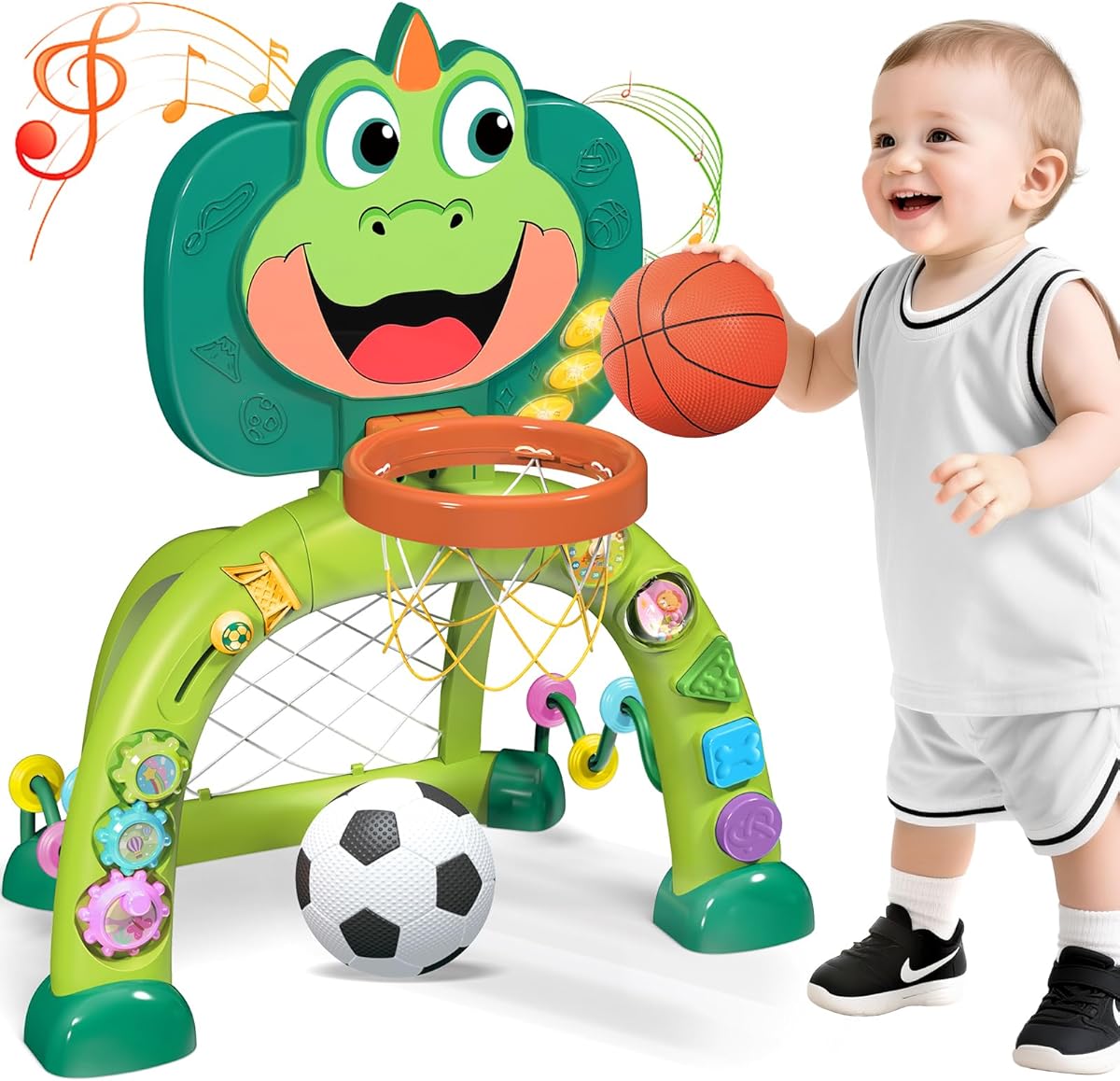
Choosing a Multi-Sport Activity Center for Toddlers: Key Factors Beyond Age Labels
When evaluating the Marstone Baby Boy Toys activity center, focus on its dual-sport functionality combining basketball and soccer. This specific product targets 1-3 year olds with sound features and interactive elements, making it more than just a simple hoop. Buyers should assess whether the combination of activities justifies the space it requires versus single-sport alternatives.
Key Considerations Before Buying
- The dual-sport design (basketball hoop and soccer goal) requires approximately 3x2 feet of floor space—measure your play area to ensure it fits without crowding other toys.
- Electronic sounds and music are integrated but not adjustable in volume; consider your noise tolerance and whether this enhances or distracts from physical play development.
- The stated age range (1-3 years) may be optimistic for the upper end; taller 3-year-olds might find the 2.5-foot hoop height limiting for continued basketball engagement.
What Our Analysts Recommend
Examine the base stability—wider, weighted bases prevent tipping during enthusiastic toddler play. Check for smooth plastic edges around the hoop rim and goal frame to prevent minor scrapes. Quality indicators include durable net attachment points that withstand repeated ball retrieval and electronic components protected from drool or light impacts.
Toy Basketball Market Context
Market Overview
The toddler sports toy category has shifted toward multi-activity centers that combine basketball with other sports, moving beyond basic standalone hoops. Products in the $25-$40 range increasingly incorporate electronic feedback to engage younger children who may not yet understand traditional scoring.
Common Issues
Plastic hoop rims can develop stress cracks where the backboard meets the support pole after repeated dunking. Electronic sound modules sometimes fail within months due to battery compartment issues or moisture exposure. Adjustable height mechanisms, when included, often have limited range and may loosen over time.
Quality Indicators
Superior products feature reinforced connection points between the backboard and pole, use thicker plastic in high-stress areas, and have electronic controls positioned away from typical impact zones. Look for balls included with appropriate size (4-5 inch diameter) and weight for toddler hands.
Review Authenticity Insights
Grade B Interpretation
A Grade B authenticity rating with 11% estimated fake reviews indicates generally trustworthy feedback with minor manipulation concerns. The adjusted rating of 4.60/5 (down from 4.89) suggests genuine satisfaction sits slightly below the displayed average but remains strong for this category.
Trust Recommendation
Prioritize reviews discussing specific usage scenarios like 'my 18-month-old can reach the hoop' or 'the soccer net tore after two weeks' rather than generic praise. Verified purchase reviews mentioning assembly details or comparing to previous sports toys carry higher credibility for this product type.
Tips for Reading Reviews
Look for reviews that mention the product's footprint dimensions, sound volume specifics, or ball quality—these indicate hands-on experience. Be skeptical of reviews focusing excessively on gifting presentation rather than child interaction, as these may be incentivized.
Expert Perspective
The Marstone activity center's 4.60 adjusted rating reflects genuine satisfaction with its dual-sport approach, though the authenticity analysis suggests some review inflation. Its strength lies in offering two distinct activities in one unit, potentially extending engagement time for toddlers with short attention spans. The inclusion of sounds provides immediate feedback that helps 1-2 year olds understand cause-and-effect, though this feature may annoy parents seeking quieter toys. The product appears to deliver on its core promise of introducing basic sports concepts through play.
Purchase Considerations
Weigh whether the combined basketball/soccer functionality provides better value than separate, potentially higher-quality single-sport toys. Consider if electronic sounds align with your parenting philosophy or if you'd prefer purely physical play. Assess your child's current coordination level—some 1-year-olds may struggle with the soccer component while excelling at dunking basketballs.
Comparing Alternatives
Compare with single-sport options that might offer better durability or adjustable features at similar price points.


