Choosing a Smart Scale: Why Electrode Count and App Integration Matter Most
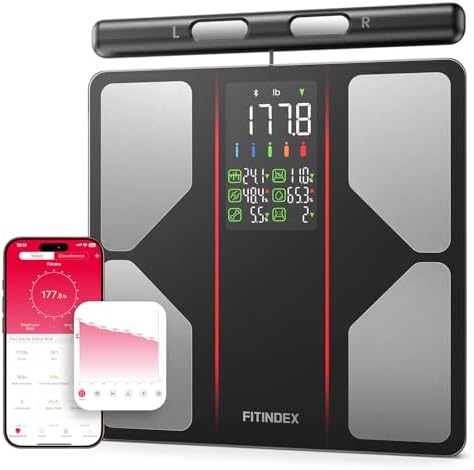
When evaluating the FITINDEX Smart Scale with its 8-electrode platform and segmental muscle analysis, buyers should understand that not all body composition scales deliver equal accuracy. This specific model uses bioelectrical impedance analysis (BIA) through foot-to-hand electrodes, which provides more detailed data than basic 4-electrode scales. The 400 lb capacity and large platform are practical features, but the real value lies in how consistently the scale tracks trends over time.
Key Considerations Before Buying
- The 8-electrode design allows for segmental analysis (arms, legs, trunk), which provides more nuanced data than whole-body percentages alone—particularly useful for tracking muscle imbalances or targeted fitness progress.
- App integration quality varies significantly between smart scales; FITINDEX's companion app must reliably sync data and present it in actionable formats, not just raw numbers.
- Consistency matters more than absolute accuracy with BIA scales; look for devices that provide reliable trend data under consistent conditions (time of day, hydration levels) rather than chasing laboratory-grade precision.
What Our Analysts Recommend
Quality indicators for smart scales include stable connectivity (Bluetooth 4.0+), a platform large enough for secure footing during measurements, and clear electrode placement markings. The FITINDEX's tempered glass platform with visible electrodes suggests attention to user experience, but verify the app's data visualization tools actually help interpret the 13+ body metrics provided.
Digital Market Context
Market Overview
The smart scale market has shifted from basic weight tracking to comprehensive body composition analysis, with 8-electrode models like this FITINDEX representing the mid-to-high tier of consumer offerings. These devices now compete on data granularity and app experience rather than just measurement accuracy, with segmental analysis becoming a key differentiator.
Common Issues
Bioelectrical impedance analysis is highly sensitive to hydration levels, leading to frustrating fluctuations if users don't measure consistently. Many smart scales suffer from app abandonment due to poor UX or unreliable syncing, turning sophisticated hardware into expensive weight-only devices.
Quality Indicators
Look for scales with separate electrodes for hands and feet (not just foot-to-foot), medical-grade BIA technology (though not medical devices), and apps that emphasize trend lines over single measurements. The FITINDEX's 4.4 adjusted rating suggests it performs well on core functionality despite some authenticity concerns.
Review Authenticity Insights
Grade B Interpretation
A Grade B authenticity rating with 15% estimated fake reviews indicates generally trustworthy feedback with some manipulation concerns—common in competitive smart home categories. The 0.4-point drop from the displayed 4.8 to adjusted 4.4 rating suggests inflated positive reviews, but verified purchases across all reviews add credibility.
Trust Recommendation
Focus on reviews discussing specific use cases like fitness tracking consistency, app reliability over months of use, or comparisons against DEXA scans—these detailed experiences are harder to fabricate. Be skeptical of reviews emphasizing only packaging or immediate setup without discussing longitudinal data quality.
Tips for Reading Reviews
Prioritize reviews mentioning segmental muscle analysis results or app features, as these address the product's unique 8-electrode value proposition. Look for patterns in critical reviews about measurement consistency or connectivity issues—these often reveal real limitations rather than user error.
Expert Perspective
The FITINDEX scale represents solid value in the 8-electrode segment, with its large platform and comprehensive metrics appealing to serious fitness enthusiasts. The 4.4 adjusted rating from verified purchases indicates genuine satisfaction, particularly regarding the app's data presentation and segmental analysis capabilities. However, the authenticity analysis suggests some review manipulation, so temper expectations about perfection—this is a consumer-grade BIA device, not clinical equipment. The high rating despite the fake percentage suggests the core product delivers on its promises for most users.
Purchase Considerations
Consider whether you'll actually use the segmental data—if you only need weight and basic body fat percentage, a simpler 4-electrode scale may suffice. Evaluate your tolerance for data fluctuations inherent to BIA technology, and ensure your smartphone compatibility matches the app requirements. The 400 lb capacity makes this inclusive, but verify the platform size accommodates your stance comfortably.
Comparing Alternatives
Compare with Renpho's 8-electrode model and Withings Body Comp for similar feature sets at different price points, focusing on app ecosystem differences.