
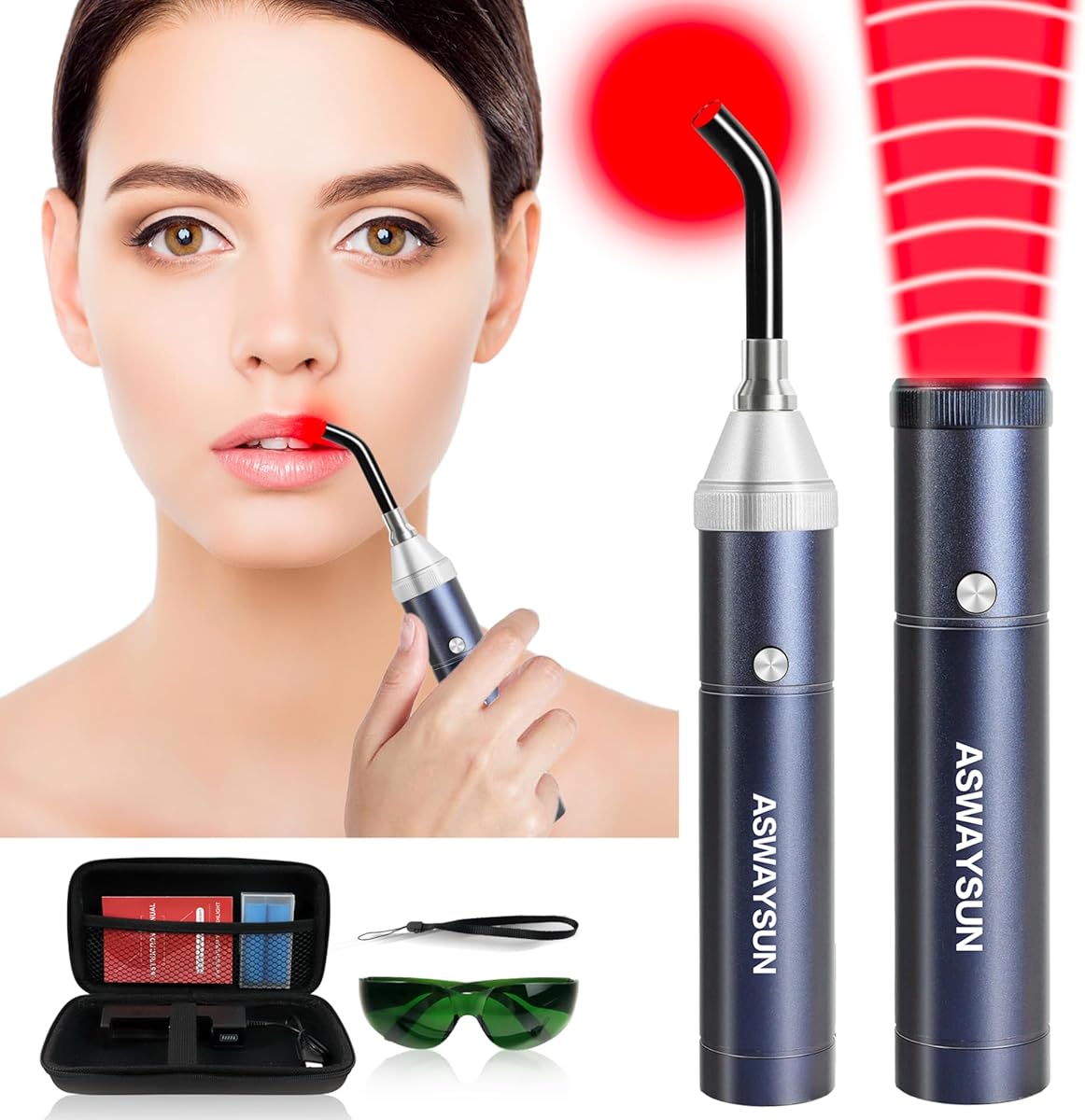
Choosing a Multi-Wavelength Red Light Therapy Wand for Pain and Skin Conditions
This specific device combines five distinct wavelengths (460nm, 630nm, 660nm, 850nm, 900nm) in a portable wand format, offering both localized pain relief and targeted treatment for oral sores. Buyers should understand that this 2-in-1 functionality means it's designed for both deep tissue penetration (via near-infrared wavelengths) and superficial skin/cellular treatment (via red and blue light).
Key Considerations Before Buying
- Wavelength specificity is critical: The 850nm and 900nm near-infrared wavelengths target deep joint and muscle pain, while the 630nm/660nm red light and 460nm blue light are intended for skin surfaces and cold sore treatment.
- Portability vs. power: As a wand, it offers targeted application but requires manual movement over affected areas, unlike larger panels that cover broader zones automatically.
- Application versatility: Consider if you need a device that transitions from treating knee pain to precisely targeting a fever blister on the lip, as this is its stated dual-purpose design.
What Our Analysts Recommend
For this category, verify the stated irradiance (power density) and treatment protocols for each condition. A quality device will provide clear guidance on treatment times and distances for different wavelengths. Check for FDA registration as a general wellness device, though specific claims about pain or sore treatment are not FDA-approved.
Light Therapy Market Context
Market Overview
The portable red/NIR light therapy market is saturated with wands and panels, but devices offering this specific combination of five wavelengths for both musculoskeletal and dermatological use are less common. Many competitors offer either red/NIR for pain or blue/red for skin, but not this integrated 2-in-1 approach.
Common Issues
Common problems include vague instructions on wavelength application, unrealistic claims about curing medical conditions, and devices with insufficient power output to deliver therapeutic benefits at the skin's surface or deeper tissues. Battery life and heat management are also frequent concerns with portable units.
Quality Indicators
Look for specific technical documentation on wavelength accuracy and optical power output. Higher-quality devices use medical-grade LEDs with narrow bandwidths and provide heat dissipation to prevent overheating during prolonged use. Clear, condition-specific treatment protocols are a hallmark of more serious manufacturers.
Review Authenticity Insights
Grade B Interpretation
A Grade B authenticity rating with an 11% estimated fake review rate suggests a mostly trustworthy review profile with a minor but notable level of potentially inauthentic feedback. This is common for health devices where some sellers incentivize positive initial reviews.
Trust Recommendation
Focus on reviews that detail specific, longitudinal use cases—such as managing chronic arthritis pain over weeks or treating recurrent cold sores—rather than vague 'it works great' testimonials. The adjusted rating of 4.20/5 is likely more reflective of genuine user experience than the raw 4.44/5 score.
Tips for Reading Reviews
Prioritize reviews that mention the different modes (likely corresponding to different wavelength combinations) and how they were used for distinct issues. Authentic reviews often discuss the learning curve for positioning and timing, or compare it to other therapy methods they've tried.
Expert Perspective
This device presents an interesting proposition by combining wavelengths typically found in separate devices. The inclusion of 460nm blue light specifically for cold sores/canker sores is a targeted application based on some research suggesting blue light's antimicrobial and anti-inflammatory effects on oral lesions. The 4.20 adjusted rating from verified purchasers indicates generally satisfactory results, particularly for its portability and dual-purpose design. However, consumers should maintain realistic expectations; this is a general wellness device, not a medical treatment.
Purchase Considerations
Weigh whether you truly need the full spectrum of five wavelengths or if a simpler device targeting your primary concern (e.g., just pain relief) would suffice. Consider the manual application process—treating a large area like the back with a wand requires time and consistency. The value lies in its targeted precision for small areas like joints and the mouth/nose.
Comparing Alternatives
Shoppers should compare this multi-wavelength wand against single-purpose devices and larger panels to assess the trade-off between versatility and treatment area coverage.


