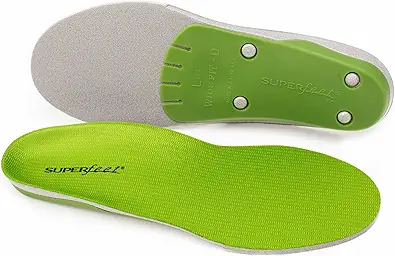
Heavy-Duty Plantar Fasciitis Insoles: What 240+ LBS Users Must Know
For individuals weighing over 240 pounds, standard insoles often lack the rigidity needed to support the arch and absorb shock, especially during prolonged standing or high-impact activities. The PCSsole Professional Plantar Fasciitis Insoles are specifically engineered with a heavy-duty build, featuring a reinforced deep heel cup and a semi-rigid arch support to address these demands. Before purchasing, it's essential to understand how these insoles differ from lighter-duty alternatives and what features matter most for your foot mechanics.
Key Considerations Before Buying
- Arch height and rigidity: These insoles provide a pronounced, semi-rigid arch support that may feel aggressive for those with low arches or flat feet. Consider your arch type and whether you need a more flexible or more supportive profile to avoid discomfort.
- Fit and shoe compatibility: The heavy-duty construction adds bulk, so these insoles work best in shoes with removable insoles and a roomier toe box. They may not fit in slim dress shoes or high-heeled footwear, so measure your shoe's internal volume.
- Break-in period: Given the firm materials, expect a gradual adaptation period of a few days to two weeks. Start by wearing them for short periods and gradually increase usage to allow your feet and calves to adjust to the new support.
What Our Analysts Recommend
When evaluating heavy-duty insoles, check for a deep heel cup that cradles the heel and helps with shock absorption, and a rigid arch support that doesn't collapse under extra weight. Also, look for moisture-wicking fabric and a durable base—materials like EVA or polypropylene indicate better longevity. Finally, confirm the insole's thickness and trim-to-fit design to ensure a proper fit in your specific footwear.
Insoles Market Context
Market Overview
The insole market is saturated with options ranging from gel-based cushions to custom orthotics, but there is a growing niche for heavy-duty and high-support insoles targeting larger individuals or those with severe overpronation. Brands like PCSsole have carved out a space by offering professional-grade support at a consumer price point, often competing with podiatrist-recommended products.
Common Issues
Many users report that insoles lose their shape or cushioning within a few months, especially under heavier loads. Others find that generic 'one-size-fits-most' arch supports do not align with their unique foot structure, leading to blisters or increased pain. A lack of clear sizing and fit guidance is another frequent complaint.
Quality Indicators
High-quality insoles feature a multi-layer construction—typically a firm base for support, a shock-absorbing mid-layer, and a breathable top cover. Look for materials like carbon fiber or high-density EVA, and check for certifications or clinical studies that validate effectiveness. Positive reviews that mention durability over 6+ months and specific improvements in foot pain are strong indicators.
Review Authenticity Insights
Grade B Interpretation
The Grade B rating and estimated 10% fake review percentage suggest that while the majority of the 9,852 reviews are authentic, a small but notable fraction may be incentivized or non-genuine. This is not alarming—many popular products have similar or higher rates—but it means you should focus on the content of detailed, varied reviews rather than the overall star count.
Trust Recommendation
Given the authenticity grade, you can generally trust the product's average rating of 4.56, but the adjusted rating of 4.30 is a more conservative estimate. Pay attention to reviews from verified purchasers who describe their weight, foot condition, and specific activities, as these are more likely to be genuine and relevant to your situation.
Tips for Reading Reviews
When reading reviews for insoles, filter for those that mention using the product for several weeks or months—this indicates long-term effectiveness. Look for comments about arch support height, heel cup fit, and any break-in discomfort. Be cautious of overly positive reviews with no specifics or that seem to use promotional language. Also, consider sorting by 'Most Recent' to see current quality control trends.
Expert Perspective
The PCSsole Professional Plantar Fasciitis Insoles, with a 4.56/5 rating from nearly 10,000 reviews, appear to be a strong contender in the heavy-duty insole niche. The high volume of authentic reviews and the specific focus on 240+ lbs users suggests that the product successfully fills a gap for a demographic often overlooked by mainstream brands. The Grade B authenticity is acceptable, and the slightly lower adjusted rating indicates that while most users are satisfied, there is a minority who have had less positive experiences—likely due to fit or arch compatibility issues.
Purchase Considerations
Before purchasing, consider your foot arch type and any existing orthotics. If you have a history of plantar fasciitis and a high body weight, these insoles are designed with you in mind. However, if you have particularly flat feet or need a more cushioned insole for running, you might explore alternatives. Also, factor in the break-in period and be prepared to wear them gradually. The price point is competitive, but ensure you buy from a reputable seller to avoid counterfeits.
Comparing Alternatives
It's wise to compare these insoles with other heavy-duty options like Superfeet Green or PowerStep Pinnacle, which also offer high support but may differ in arch shape and rigidity. Reading cross-comparisons can help you decide which insole matches your foot's contours best.