
Choosing Sleep Earplugs: Balancing Noise Reduction with All-Night Comfort
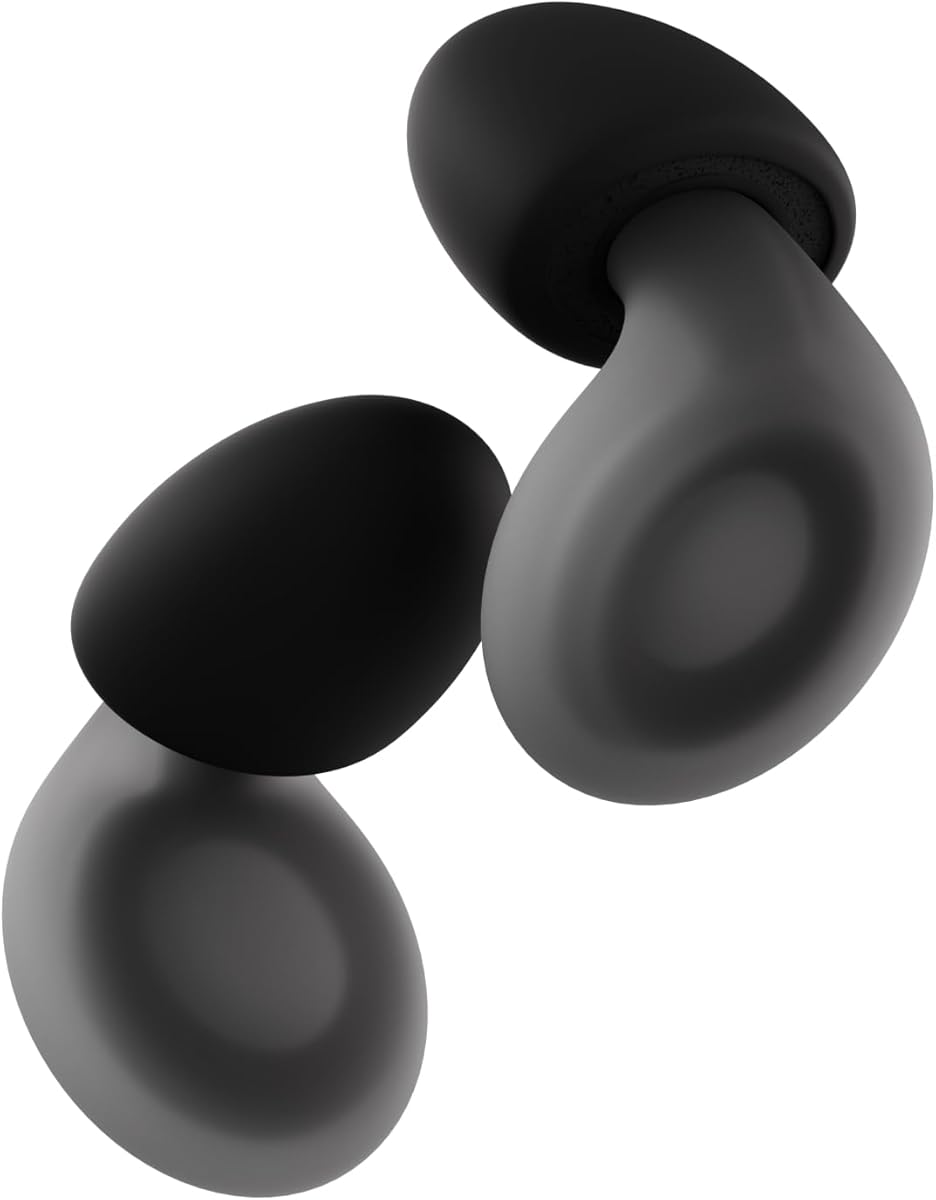
When evaluating the Loop Dream earplugs, buyers should understand that their hybrid silicone/memory foam construction represents a specific design choice in the sleep earplug market. The 27dB SNR rating indicates moderate noise reduction suitable for snoring partners and urban noise, but not industrial environments. The 'customized fit' claim refers to the dual-material design that adapts differently than single-material options.
Key Considerations Before Buying
- The silicone outer shell with memory foam core creates a different pressure profile than pure foam plugs—some users find this reduces ear canal pressure during side-sleeping.
- A 27dB SNR rating effectively muffles consistent low-frequency noises like snoring or traffic but may not eliminate sharp, intermittent sounds completely.
- The tapered design with dual materials requires proper insertion technique: twist the foam portion gently rather than compressing the entire plug like traditional foam.
What Our Analysts Recommend
Quality sleep earplugs should maintain their shape recovery through hundreds of compressions—check reviews mentioning durability beyond one month. Look for specific mentions of how the earplugs handle different sleep positions, as side-sleepers have different pressure points than back-sleepers. The best indicators are reviews describing specific noise scenarios (partner's snoring frequency, street noise type) rather than general 'blocks noise' statements.
Earplugs Market Context
Market Overview
The sleep earplug market has bifurcated into budget disposable foam options and premium reusable models like Loop Dream that promise better hygiene and long-term value. Recent innovations focus on materials that balance noise reduction with comfort for 6-8 hour wear periods, moving beyond maximum dB ratings alone. The 27dB rating places this product in the mid-range of sleep-specific earplugs, below maximum-protection industrial models but above basic travel plugs.
Common Issues
Sleep earplugs frequently fail at pressure points for side-sleepers, causing discomfort that wakes users. Many products claim 'custom fit' but actually provide limited sizing options. Hygiene maintenance presents another challenge—silicone components like Loop Dream's outer shell require different cleaning than pure foam plugs.
Quality Indicators
Quality sleep earplugs demonstrate consistent noise reduction across multiple nights without compression fatigue. Look for products with clear material specifications—Loop Dream explicitly states silicone and memory foam rather than vague 'soft material' descriptions. Superior products maintain their noise reduction rating through at least 50 washes, a detail often missing from product descriptions.
Review Authenticity Insights
Grade B Interpretation
A Grade B authenticity rating with 11% estimated fake reviews suggests the Loop Dream's review profile contains mostly genuine experiences but includes some incentivized or biased content. The 0.24-point drop from the displayed 4.44 to adjusted 4.20 rating indicates review manipulation slightly inflates the visible score, though not dramatically.
Trust Recommendation
Focus on reviews that mention specific sleep scenarios like 'blocks my partner's chain-saw snoring but I can hear my alarm' rather than generic praise. The adjusted 4.20 rating represents a more reliable quality indicator than the displayed 4.44—still strong for this category where even premium earplugs often average 3.8-4.2.
Tips for Reading Reviews
Prioritize reviews discussing multi-night experiences and cleaning routines over first-impression posts. Look for mentions of ear canal size comparisons ('small ear canals' vs 'larger ears') since the dual-material design fits differently than single-material plugs. Reviews mentioning specific competing brands (Mack's, Howard Leight) often provide more nuanced comparisons.
Expert Perspective
The Loop Dream earplugs occupy a strategic position in the sleep protection market with their hybrid design addressing both comfort and moderate noise reduction needs. The 4.20 adjusted rating from 2,390 reviews indicates solid performance, particularly notable given sleep earplugs often receive lower ratings due to individual fit variability. The dual-material approach represents an intelligent compromise—silicone provides durability and easier cleaning while memory foam enhances comfort—though this creates more complex insertion requirements than single-material options.
Purchase Considerations
Consider whether your primary need is maximum noise blocking (where higher dB foam plugs might serve better) versus all-night comfort with moderate reduction. The hybrid design particularly benefits side-sleepers who experience pressure pain from firmer plugs. Evaluate your willingness to maintain two different materials—silicone requires different cleaning than foam—versus simpler single-material options.
Comparing Alternatives
Shoppers should compare Loop Dream's 27dB hybrid design against both pure foam options (higher dB but less durable) and solid silicone plugs (easier cleaning but often less comfortable for extended wear).


