128-Can Beverage Fridge: Fit, Cooling, and Noise Matter Most
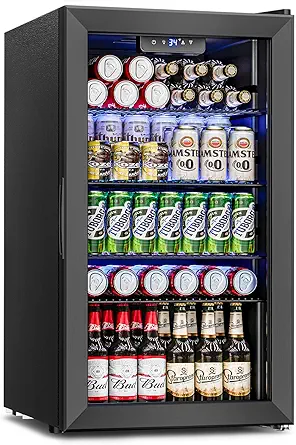
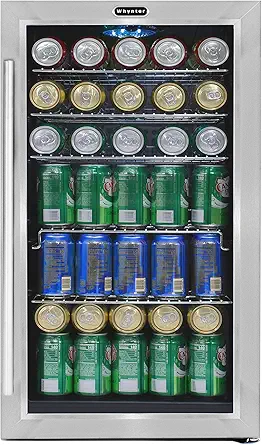
When shopping for a 3.2 cu. ft. beverage refrigerator like this 128-can model, you're balancing capacity with counter space and performance. Buyers should prioritize cooling efficiency, noise level, and whether the glass door's UV protection truly preserves your drinks.
Key Considerations Before Buying
- Measure your space and consider that a 3.2 cu. ft. unit is roughly 18 inches wide and 20 inches deep—make sure it fits under counters or in your bar area with proper ventilation. This model's reviews often mention fitting into specific built-in spots, so check dimensions and clearance needs.
- Cooling performance varies with ambient temperature; if you're placing this in a garage or outdoor kitchen, verify it can handle warmer environments. Look for reviews that mention actual temperature maintenance, not just initial cooling.
- Noise level is a common concern—many users note the compressor hum. If this fridge will sit in a living area or bedroom, look for comments about sound and consider a model with a quieter compressor.
What Our Analysts Recommend
Quality indicators include a sturdy glass door with a reliable seal, adjustable shelving that actually fits various can sizes, and a lock mechanism that feels secure. Check for consistent temperature control, and pay attention to any reviews mentioning condensation or frost buildup, as these signal insulation issues.
Beverage Refrigerators Market Context
Market Overview
The beverage refrigerator market has expanded with more affordable options from brands like Frigidaire, Igloo, and NewAir, but quality varies widely. Consumers are increasingly using these units in home bars, kitchens, and even offices, driving demand for stylish glass-door models that double as display pieces.
Common Issues
The most frequent problems in this category include inadequate cooling in hot climates, loud compressors, and doors that don't seal properly, leading to temperature fluctuations. Some units also have limited shelving adjustability, making it hard to fit tall bottles or larger cans.
Quality Indicators
Look for models with dual-pane glass to reduce condensation, adjustable temperature controls (not just a single dial), and a reputation for reliable compressors. Check the warranty and customer service responsiveness, as beverage fridges often need service within the first year.
Review Authenticity Insights
Grade B Interpretation
The Grade B and 12% estimated fake review rate suggest that while the majority of reviews are genuine, a noticeable minority may be incentivized or non-verified. This aligns with patterns seen in many mid-priced appliances where sellers seed reviews to boost initial ratings.
Trust Recommendation
Focus on reviews that provide specific usage details, like 'I've had this for 6 months in my garage' or 'it fits 128 cans of soda exactly.' Be cautious of overly glowing short reviews with generic praise—these are often less reliable. The adjusted rating of 4.20 is a more realistic expectation than the 4.44 overall.
Tips for Reading Reviews
For beverage fridges, read 3-star and 4-star reviews as they often highlight trade-offs like noise vs. cooling performance. Search reviews for keywords like 'temperature,' 'noise,' and 'fit' to get actionable feedback. Also, check for recent reviews, as quality can vary across production batches.
Expert Perspective
This 3.2 cu. ft. beverage fridge offers solid capacity for its size, and the glass door adds a premium aesthetic that appeals to home bar setups. The 4.20 adjusted rating indicates decent reliability, but the 12% fake review rate and common issues like noise and temperature consistency suggest it's not a top-tier performer. It's a good value for casual users, but serious enthusiasts might prefer higher-end brands with better insulation and quieter compressors.
Purchase Considerations
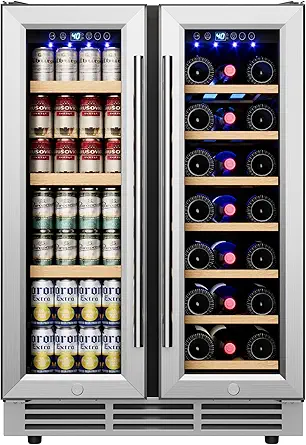
Weigh your need for capacity against potential noise and cooling limitations. If you're placing this in a temperature-controlled indoor space and don't mind some compressor hum, it's a budget-friendly option. However, if you need precise temperature control for wine or sensitive beverages, consider spending more for a dual-zone unit.
Comparing Alternatives
Shoppers should compare this model with similar-capacity fridges from brands like Frigidaire or NewAir, especially looking at energy efficiency and warranty terms. Also, check if the lock mechanism is tamper-proof if you plan to use it in a dorm or shared space.