Heal Cracked Heels with High-Percentage Urea Sticks: What to Know
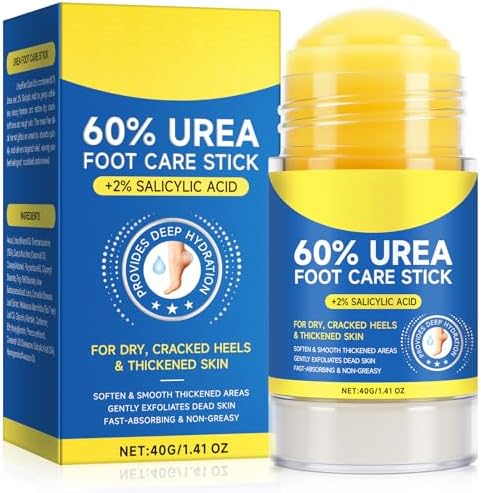
For stubborn dry, cracked feet, a 60% urea formula with 2% salicylic acid is a powerful, keratolytic treatment that goes beyond basic moisturizers. This stick format offers a convenient, mess-free application for targeting thick calluses on heels, elbows, and knees, but its potency demands careful use.
Key Considerations Before Buying
- Concentration matters: 60% urea is exceptionally high—most foot creams contain 10-40%. This strength is designed for severe hyperkeratosis and should be used sparingly on intact skin to avoid irritation. Start with once daily and monitor tolerance.
- Salicylic acid synergy: The 2% salicylic acid enhances exfoliation by breaking down the 'glue' between dead skin cells, complementing urea's softening action. This combination accelerates callus reduction but can increase sensitivity, so avoid applying to broken or inflamed skin.
- Format and portability: The stick applicator allows precise, no-touch application to problem areas—ideal for hard-to-reach heels or between toes. It also makes travel-friendly use easy, but be aware that the stick may feel less occlusive than a thick cream, so consider pairing with socks overnight for deeper penetration.
What Our Analysts Recommend
When evaluating high-urea foot treatments, check the percentage (60% indicates a medical-grade exfoliant), the presence of complementary humectants (like glycerin or hyaluronic acid) to offset potential dryness, and pH balance (slightly acidic to maintain skin barrier function). Also, verify the product's texture—sticks should glide smoothly without crumbling—and ensure the formula is free from fragrances or dyes that can irritate compromised skin.
Foot Creams & Lotions Market Context
Market Overview
The foot care market is saturated with basic moisturizers, but a noticeable shift toward high-potency, active-ingredient treatments (like urea and salicylic acid) reflects consumer demand for solutions that address root causes of cracked skin, not just symptoms. This product sits at the premium, treatment-oriented end of that spectrum.
Common Issues
Many foot creams fail because they use low urea concentrations that merely hydrate without exfoliating, leaving calluses intact. Others may be too greasy, causing slippage, or contain irritants that worsen fissures. Users also struggle with consistency—achieving results requires daily application over weeks, and many formulas don't visibly improve thick skin quickly enough.
Quality Indicators
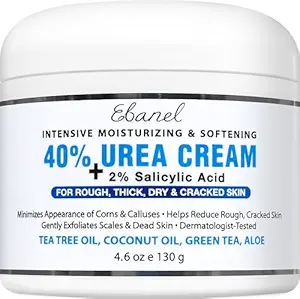
Look for brands that transparently disclose active ingredient percentages, use pharmaceutical-grade urea, and include clinical or dermatological testing. A high Amazon rating (like 4.67/5) with a large number of verified reviews suggests real-world efficacy, but also check that the product doesn't cause stinging or excessive peeling, which indicates improper formulation.
Review Authenticity Insights
Grade B Interpretation
The 'B' grade and 10% estimated fake review rate indicate that while the majority of reviews are trustworthy, roughly 1 in 10 may be incentivized or non-genuine. This is typical for popular beauty products, but it means you should rely on detailed, balanced reviews rather than solely on the aggregate score.
Trust Recommendation
Given the 4.40 adjusted rating (down from 4.67), the product still performs well when suspicious reviews are removed. You can trust the general consensus that it works, but pay extra attention to reviews from verified purchasers who describe using it for several weeks—they offer the most reliable long-term efficacy insights.
Tips for Reading Reviews
For this type of product, prioritize reviews that mention specific skin conditions (e.g., diabetic dry skin, plantar calluses) and duration of use. Skip reviews that are overly enthusiastic without details, and look for recurring complaints about stick breakage or strong odor, which might affect your experience. Also, check recent reviews to see if there are any formulation changes.
Expert Perspective
This 60% urea stick with salicylic acid is a highly effective, targeted treatment for severe dryness and calluses, backed by a robust 4.67-star rating from over 1,500 users. The high urea concentration is well-suited for thick, cracked heels, but its potency means it's not a daily maintenance moisturizer for normal skin. The stick format is a differentiator, offering hygienic, precise application that creams lack, though users with very large calluses may need multiple passes.
Purchase Considerations
Before buying, assess your skin's tolerance: if you have sensitive skin or open cracks, start with a lower urea product (around 10-20%) to avoid stinging. Also, consider whether you prefer a stick for convenience or a richer cream for overnight occlusion—this product may require pairing with a moisturizer for best results. At 1.41 oz, the price per ounce is higher than creams, so weigh the convenience against value.
Comparing Alternatives
Shoppers should compare with other high-urea treatments like 'Eucerin Roughness Relief' (10% urea) for milder cases, or 'Kerasal' (which combines urea and salicylic acid in a cream) for a more spreadable format, to ensure they match their specific foot care needs.