
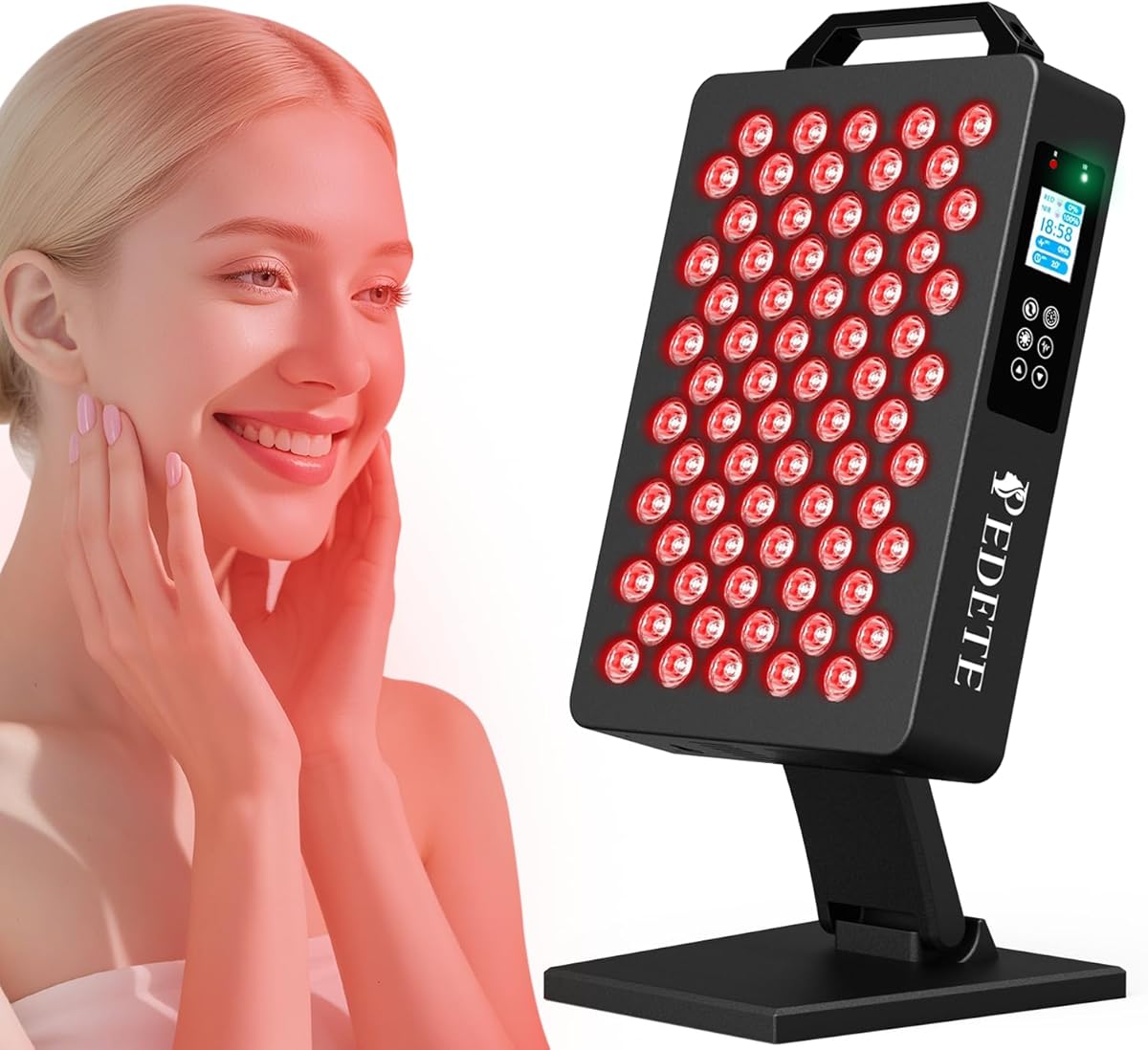
M70 Red Light Panel: 4-Wavelength Dual Chip Power for Skin & Pain Relief
When shopping for a red light therapy panel like the M70, which combines 630nm, 660nm, 810nm, and 850nm wavelengths with 70 dual chip LEDs, you're entering a market where wavelength specificity and power density directly impact results. This guide focuses on what makes the M70 distinct, especially its high-power dual chip design and the inclusion of near-infrared for deeper tissue penetration.
Key Considerations Before Buying
- Wavelength selection matters: The M70's 630nm and 660nm red lights target skin surface issues like collagen production and fine lines, while its 810nm and 850nm near-infrared wavelengths penetrate deeper for muscle recovery and joint pain relief. Ensure your goals align with this broad spectrum.
- Dual chip LEDs vs. single chip: With 70 dual chip LEDs, the M70 delivers more irradiance per diode than many single-chip panels, meaning higher energy output in a compact form. This can reduce treatment times but also requires careful distance management to avoid overheating.
- Power and coverage balance: This panel's high power is best for targeted sessions on face or body, but its size may not cover large areas like the entire back at once. Consider your primary use case—focused treatments or full-body coverage.
What Our Analysts Recommend
For a device like the M70, verify the irradiance (mW/cm²) at a specific distance, as this determines effective dosage. Also check for proper cooling systems, as high-power LEDs generate heat that can degrade performance over time. Look for certifications like FDA registration or CE marking to ensure safety and reliability.
Light Therapy Market Context
Market Overview
The red light therapy panel market has exploded, with consumers moving from handheld wands to larger, multi-wavelength panels for home use. The M70 sits in a mid-range tier, competing with brands like Hooga and Mito, offering a balance of power and price that appeals to both skincare enthusiasts and athletes.
Common Issues
A major concern is inconsistent wavelength accuracy across brands, where claimed nm values may not match actual output, reducing efficacy. Another issue is heat management—many panels without active cooling can overheat, shortening LED lifespan and posing burn risks. Finally, false claims about 'medical-grade' results without clinical backing are rampant.
Quality Indicators
Quality panels like the M70 should have clear specifications for irradiance, beam angle, and duty cycle. Look for dual chip or high-power LEDs (e.g., 5W or 10W per chip), and ensure the device includes a timer and adjustable stand. Third-party testing reports or customer measurements of irradiance are strong trust signals.
Review Authenticity Insights
Grade B Interpretation
The M70's Grade B authenticity rating with an estimated 10.00% fake review rate is solid for this category, where many products have higher fraud rates. This means roughly 1 in 10 reviews may be unreliable, but the majority—especially verified purchasers—provide genuine feedback. The adjusted rating of 4.30 out of 5 suggests real-world satisfaction is slightly lower than the raw 4.56, but still positive.
Trust Recommendation
Given the 10% fake rate, you should focus on verified purchase reviews that include specific details about usage, such as treatment duration, distance, and results over time. Skip vague five-star reviews that lack context, and pay attention to balanced critiques about heat or size. The high percentage of genuine reviews means you can trust the overall positive sentiment, but cross-check any claims about 'miracle results'.
Tips for Reading Reviews
For light therapy panels, prioritize reviews that mention specific wavelengths or treatment protocols (e.g., 'I used 660nm for 10 minutes at 6 inches'). Look for photos or videos showing the device in use, as these are harder to fake. Also, note any reviews discussing durability after 3-6 months, as LED degradation is a common long-term issue.
Expert Perspective
The M70 is a well-configured panel that leverages dual chip LEDs to deliver a potent mix of red and near-infrared wavelengths, making it versatile for both skincare and pain relief. Its 4.30 adjusted rating (out of 5) from a largely authentic review base indicates reliable performance, though the 10% fake review rate means some hype may be inflated. The inclusion of 810nm is a standout feature, as it bridges surface and deep tissue benefits better than panels with only 660nm and 850nm. However, potential buyers should verify their specific needs—if you only want skin benefits, a simpler red-only panel might suffice, but for combined use, the M70 is a strong contender.
Purchase Considerations
Consider the M70 if you want a single device for both facial anti-aging and muscle recovery, given its balanced wavelength mix. However, if you have a large body area to cover, you may need to move the panel across multiple sessions, which could be less convenient than a larger panel. Also, factor in the need for eye protection, as the 810nm and 850nm near-infrared can be harmful to eyes without goggles.
Comparing Alternatives
Shoppers should compare the M70 with similarly priced panels from Hooga (e.g., the HG200) or Mito (e.g., the MitoPRO 300), which offer different LED counts and irradiance levels. The M70's dual chip design gives it an edge in power density, but these alternatives may have better cooling or warranty terms.


