Choosing a Percussion Massager: Why Head Variety and Intensity Control Matter
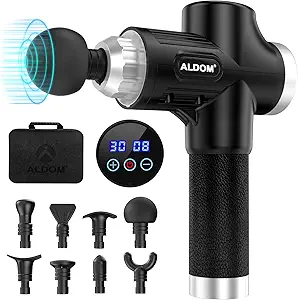
When evaluating the VTT 16-head massage gun, focus on its unique combination of specialized attachments and granular intensity settings. Unlike basic models, this device offers targeted therapy options from large muscle groups to precise trigger points, making it essential to match its capabilities to your specific recovery needs.
Key Considerations Before Buying
- The 16-head assortment requires understanding which attachments you'll actually use—large ball heads for quads and glutes versus bullet or fork heads for neck and shoulder tension.
- With 30 intensity levels, consider whether you need fine-tuned control for sensitive areas or if broader settings would suffice for general muscle recovery.
- Quiet operation claims should be weighed against actual decibel levels; some 'quiet' massagers still produce noticeable vibration noise during deep tissue work.
What Our Analysts Recommend
Quality percussion massagers maintain consistent power throughout battery life without significant drop-off. Check for ergonomic handle design that reduces wrist fatigue during extended use, and examine attachment connection security—loose-fitting heads compromise effectiveness and safety.
Handheld Massagers Market Context
Market Overview
The handheld percussion massager market has shifted from professional-grade devices to consumer models with expanded attachment systems and app connectivity. Current competition focuses on balancing percussive force with noise reduction, as seen in the VTT's 'quiet' designation.
Common Issues
Many budget massagers suffer from overheating during extended sessions or battery degradation after 6-12 months. Attachment quality varies significantly, with cheaper silicone heads losing shape and firmness faster than medical-grade alternatives.
Quality Indicators
Look for consistent stroke length (typically 10-16mm for deep tissue) and stall force ratings above 50lbs for effective muscle penetration. Premium models feature brushless motors that deliver smoother operation with less heat generation than brushed alternatives.
Review Authenticity Insights
Grade B Interpretation
A Grade B authenticity rating with 15% estimated fake reviews indicates generally trustworthy feedback but suggests some review manipulation. The 0.4-point drop from the displayed 5.0 to adjusted 4.6 rating reveals inflated initial impressions.
Trust Recommendation
Prioritize reviews discussing specific use cases like post-workout recovery or chronic shoulder tension over generic praise. Verified purchase reviews mentioning long-term use (3+ months) provide more reliable durability insights than initial impressions.
Tips for Reading Reviews
Search for reviews mentioning particular attachments among the 16 heads—authentic users typically specify which heads worked for their back pain versus leg recovery. Be skeptical of reviews that don't mention intensity settings or noise level experiences.
Expert Perspective
The VTT's combination of extensive attachments and intensity granularity suggests a product designed for varied recovery needs rather than one-size-fits-all therapy. The strong adjusted rating of 4.6/5 from verified purchasers indicates genuine satisfaction, particularly regarding its versatility across different muscle groups. However, the authenticity analysis suggests some review inflation around initial experiences rather than long-term performance.
Purchase Considerations
Evaluate whether you'll utilize enough of the 16 heads to justify the complexity—many users find 6-8 specialized attachments sufficient. Consider your noise sensitivity against the 'quiet' claims, as true silent operation is rare in powerful percussion devices.
Comparing Alternatives
Compare the VTT's attachment system against competitors offering fewer heads but potentially higher build quality or longer warranty periods.