Evaluating Premium OLED Gaming Monitors: What the ASUS ROG Strix XG32UCWG Offers
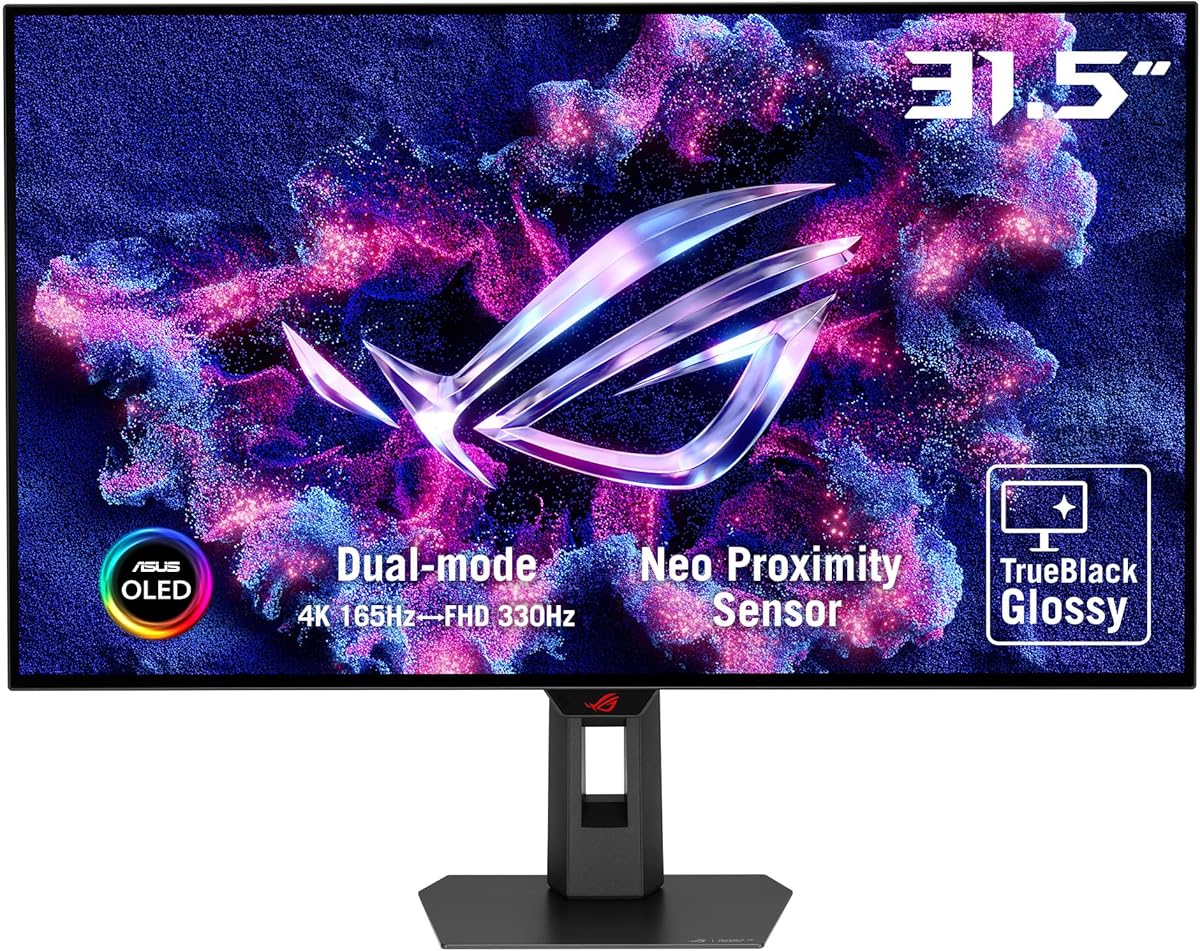
When considering a high-end OLED gaming monitor like the ASUS ROG Strix XG32UCWG, you're evaluating a premium display that prioritizes pixel-perfect response times and contrast over maximum brightness. This specific model's dual-mode capability (4K@165Hz or FHD@330Hz) creates unique trade-offs between resolution and refresh rate that buyers must understand. The glossy TrueBlack OLED panel delivers superior contrast but requires careful consideration of your room's lighting conditions.
Key Considerations Before Buying
- The glossy OLED panel provides exceptional contrast and color vibrancy but reflects ambient light, making it less ideal for brightly lit rooms without proper positioning.
- Dual-mode operation requires understanding your primary use: 4K@165Hz for immersive single-player games versus FHD@330Hz for competitive esports where every millisecond counts.
- ASUS's 3-year warranty specifically addresses OLED burn-in concerns, which is crucial for a monitor with static HUD elements in games and desktop applications.
What Our Analysts Recommend
For OLED gaming monitors, examine warranty coverage for burn-in protection and pixel refresh features. With the XG32UCWG's Neo Proximity Sensor, check reviews about its practical implementation for power saving. Quality indicators include consistent G-SYNC performance at both refresh modes and USB-C connectivity that delivers both video and sufficient power for laptops.
Monitors Market Context
Market Overview
The 32-inch 4K OLED gaming monitor segment represents the premium tier where manufacturers compete on panel technology, refresh rate implementations, and burn-in mitigation. ASUS positions the XG32UCWG with its unique dual-mode capability against competitors offering either higher 4K refresh rates or different panel treatments.
Common Issues
OLED monitors at this price point face scrutiny around text clarity due to subpixel layouts, potential ABL (Automatic Brightness Limiter) aggression in bright scenes, and the inherent risk of burn-in despite manufacturer safeguards. The glossy finish, while enhancing contrast, amplifies reflections in suboptimal lighting.
Quality Indicators
Look for comprehensive burn-in warranties (ASUS offers 3 years), minimal input lag measurements across all modes, and robust connectivity including HDMI 2.1 for next-gen consoles. The implementation of pixel cleaning cycles and screen shift technologies are critical for long-term OLED health.
Review Authenticity Insights
Grade B Interpretation
A Grade B authenticity rating with 11% estimated fake reviews indicates generally trustworthy feedback with minor manipulation concerns. For a premium $1,200+ monitor, this suggests most reviews come from actual purchasers, though some may be incentivized.
Trust Recommendation
Focus on reviews discussing specific technical aspects like the dual-mode switching experience, glossy screen reflections in their setup, or long-term burn-in observations. Be skeptical of reviews lacking personal context about gaming genres or display calibration.
Tips for Reading Reviews
Prioritize reviews mentioning the Neo Proximity Sensor's real-world utility, USB-C power delivery wattage for their specific laptop, or comparisons between the 4K and FHD modes. Look for balanced critiques addressing both the OLED advantages and practical compromises.
Expert Perspective
The ASUS ROG Strix XG32UCWG represents a specialized tool for gamers who value OLED's perfect blacks and instant response times enough to accept its compromises. The 4.20 adjusted rating from verified patterns suggests genuine satisfaction among buyers who understood what they were purchasing. The dual-mode feature is particularly noteworthy—it's not just marketing but a practical solution for gamers who play both cinematic single-player titles and competitive shooters, though the resolution drop to FHD is significant. The three-year warranty provides crucial peace of mind for OLED technology at this price point.
Purchase Considerations
This monitor makes most sense for gamers with controlled lighting environments who play mixed genres and value contrast over maximum brightness. Consider your GPU capabilities—driving 4K at high refresh rates requires substantial power, while the 330Hz FHD mode offers competitive advantages for esports titles. The glossy screen demands careful room assessment.
Comparing Alternatives
Shoppers should compare this against matte-finish OLED alternatives and high-refresh-rate IPS panels that offer different trade-offs in contrast, reflection handling, and text clarity.