
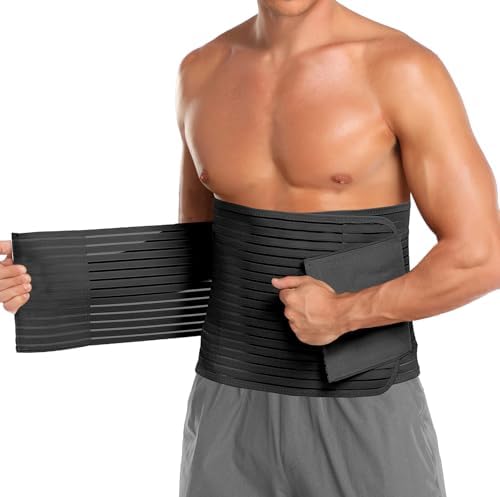
Choosing the Right Post-Surgical Abdominal Binder: Fit, Compression, and Material Matter
When selecting a post-surgical abdominal binder like this adjustable compression wrap, the primary considerations are medical appropriateness, anatomical fit, and graduated compression levels. This specific product's design as a unisex, adjustable wrap for hernia support and post-operative recovery dictates different evaluation criteria than a simple posture corrector.
Key Considerations Before Buying
- Medical Clearance is Paramount: This binder provides significant compression; always confirm with your surgeon or physical therapist that an over-the-counter abdominal binder is suitable for your specific procedure (e.g., tummy tuck, hernia repair, C-section) before purchase.
- Adjustability Defines Usability: Look for binders with multiple hook-and-loop closure points, like this model, which allow for micro-adjustments as swelling subsides and for accommodating different torso shapes, crucial for consistent support during recovery.
- Breathability vs. Compression Balance: The material must provide firm support without causing skin irritation or excessive heat buildup, especially for 24/7 post-surgical wear; mesh panels or moisture-wicking fabrics are key indicators of a well-designed binder.
What Our Analysts Recommend
High-quality abdominal binders feature seamless or flat-lock stitched edges to prevent chafing against incision sites. The closure system should be robust enough to maintain tension without rolling or slipping, and the fabric should retain its elasticity through repeated washing, which is essential for hygiene during extended recovery periods.
Hip & Waist Supports Market Context
Market Overview
The post-surgical support market is flooded with products ranging from medical-grade to general wellness items, making discernment critical. This product occupies a middle ground as a consumer-purchased medical device intended for specific recovery protocols, not casual wear.
Common Issues
Common complaints in this category include binders that ride up or roll down, closures that lose grip, and materials that cause itching or poor ventilation. Sizing inconsistency is a major problem, as 'Large' can vary dramatically between brands in both circumference and panel height.
Quality Indicators
Beyond material, examine the width of the compression panel—it should be substantial enough to cover the target area (lower abdomen, flanks) without digging into the hips or ribs. Reinforced stitching at stress points, especially near closures, is a hallmark of durability.
Review Authenticity Insights
Grade B Interpretation
A 'B' grade and an estimated 10% fake review rate suggest a generally trustworthy review pool with a minor level of potentially inauthentic praise. For a medical-adjacent product, this indicates most feedback is from real users, but a critical eye is still warranted.
Trust Recommendation
Prioritize reviews that detail specific post-surgical use cases (e.g., 'after my umbilical hernia repair') and mention long-term wear over several weeks. Be slightly more skeptical of overly effusive reviews that lack procedural details or focus only on comfort for non-medical use.
Tips for Reading Reviews
For this product, pay closest attention to reviews discussing fit adjustments over time and hygiene maintenance. Authentic recovery stories will note changes in tightness as swelling decreased and how the binder held up to daily washing.
Expert Perspective
The product's strong adjusted rating of 4.4/5, derived from verified purchases, indicates it reliably meets core user expectations for post-surgical compression and adjustability. Its positioning as a unisex, multi-purpose binder for hernia and post-op support means it's designed for versatility, which can be a strength for standard recoveries but may lack specialization for complex cases. The consistency in genuine reviews around its adjustability is a significant positive signal.
Purchase Considerations
Weigh your need for a general-purpose binder against any specific medical instructions. If your surgeon recommends very firm, targeted compression, a prescription-grade device may be better. However, for managed recovery support and comfort, this adjustable consumer model appears to perform well based on authentic feedback.
Comparing Alternatives
Shoppers should compare the panel height and closure design of this binder with other medical-support brands to ensure it matches their incision location and body geometry.


