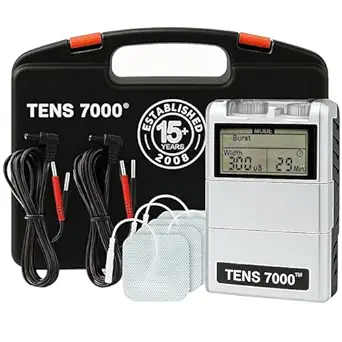
Navigating 4-in-1 TENS/EMS Units: What This 36-Mode Device Actually Delivers
This specific TENS EMS unit combines four therapy modes—TENS, EMS, Relax, and Custom Frequency+Pulse—in one device, which is notable for a consumer-grade unit. Buyers should understand that the 36 modes and 20 intensity levels represent software programming variations rather than distinct hardware capabilities, with the 3.8" color display and memory functions being key usability differentiators.
Key Considerations Before Buying
- The '4-in-1' functionality means this device serves both pain relief (TENS) and muscle stimulation/rehabilitation (EMS), making it suitable for post-workout recovery and chronic pain management.
- With 36 programmed modes, evaluate whether you need preset simplicity or prefer the custom frequency/pulse programming for personalized therapy sessions.
- The memory and favorites functions are practical for regular users who treat specific conditions, allowing quick access to effective settings without reprogramming.
What Our Analysts Recommend
Quality indicators in this category include clear mode differentiation (distinct TENS vs. EMS waveforms), consistent pulse delivery at all intensity levels, and durable electrode connections. The 3.8" color display should provide intuitive navigation through the numerous modes without excessive menu diving.
Muscle Stimulators & Accessories Market Context
Market Overview
The consumer muscle stimulator market has expanded beyond clinical devices, with multi-function units like this 4-in-1 model becoming standard. Current offerings compete on mode count and display technology rather than just therapeutic efficacy.
Common Issues
Users frequently report inconsistent intensity delivery at higher settings, confusing mode distinctions between TENS and EMS functions, and electrode pads that lose adhesion quickly. The 'custom' programming features often prove less intuitive than advertised.
Quality Indicators
Look for devices with medically recognized frequency ranges (1-150Hz for TENS, 1-100Hz for EMS), clear mode separation, and responsive intensity controls. The electrode cable connections should feel secure, not loose or fragile.
Review Authenticity Insights
Grade B Interpretation
A Grade B authenticity rating with 15% estimated fake reviews suggests mostly genuine feedback but requires careful review reading. The adjusted rating of 4.50/5 (down from 4.89/5) indicates some review inflation but still reflects strong user satisfaction.
Trust Recommendation
Focus on reviews that mention specific conditions (like sciatica or post-surgical recovery) and describe actual usage patterns over weeks, not immediate results. Be skeptical of reviews that only praise the display or number of modes without discussing therapeutic outcomes.
Tips for Reading Reviews
For this device, prioritize reviews discussing the custom programming feature's learning curve, electrode pad longevity, and whether the 36 modes provide meaningful variety or just superficial options. Look for mentions of using both TENS and EMS functions separately.
Expert Perspective
This unit's combination of high mode count, custom programming, and memory functions positions it as a feature-rich option in the consumer TENS/EMS market. The 4.50 adjusted rating suggests genuine satisfaction among most users, particularly those needing multiple therapy types. The 3.8" color display represents a current-generation interface improvement over basic LED units, though its value depends on navigation clarity.
Purchase Considerations
Consider whether you'll actually use the custom programming features or prefer preset simplicity. The 20 intensity levels provide fine adjustment but require testing to find effective ranges for your sensitivity. Memory functions are valuable if multiple household members will use the device for different conditions.
Comparing Alternatives
Compare this unit's 36 modes and custom programming against simpler 2-in-1 TENS/EMS devices with fewer features but potentially more straightforward operation.