
Evaluating USB-C Cordless Soldering Irons: Portability vs. Power Trade-offs
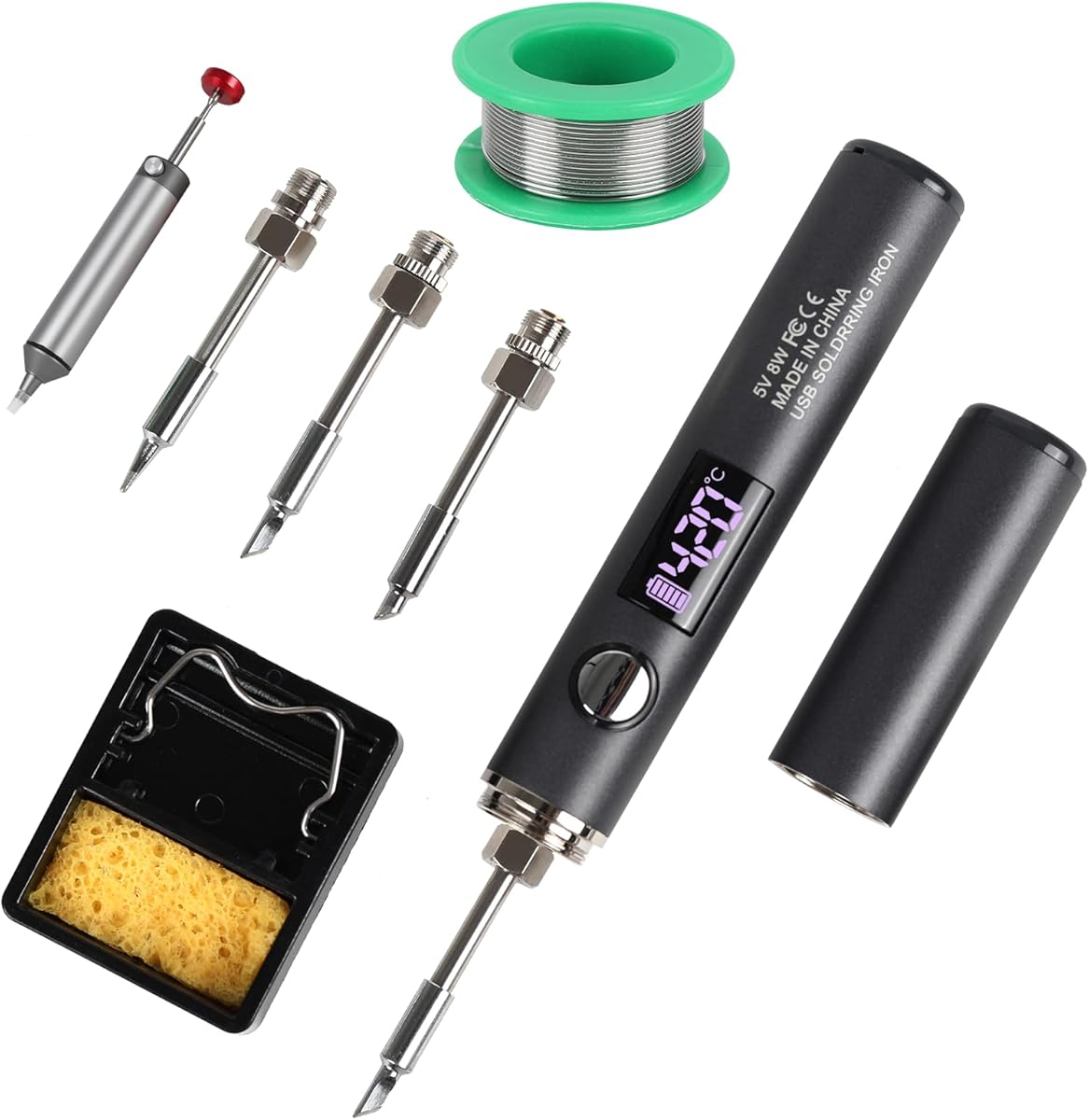
This rechargeable USB-C soldering pen represents a specific niche in the soldering iron market: ultra-portable, battery-powered tools designed for quick electronics repairs away from a bench. Unlike traditional irons, its value lies in cordless convenience rather than sustained high-wattage performance, making it ideal for field technicians, hobbyists on the go, or simple PCB touch-ups.
Key Considerations Before Buying
- Battery Life vs. Heat Recovery: A core trade-off with this product type is how long the internal battery can maintain a usable temperature during active soldering, especially with larger joints that sap heat.
- USB-C Charging Practicality: While convenient, verify if the iron supports fast charging via Power Delivery (PD) and if it can operate while plugged in, which is crucial for extended repair sessions.
- Tip Selection & Thermal Mass: The included three tips indicate versatility, but their small thermal mass on a portable iron can struggle with heat transfer to the workpiece compared to bulkier, corded tips.
What Our Analysts Recommend
For cordless irons, scrutinize the OLED screen's real-time data—it should display actual tip temperature, not just a preset indicator. Genuine quality is shown in consistent heat maintenance during a 10-second solder joint and robust tip-securing mechanisms that prevent wobble, a common failure point in portable designs.
Irons Market Context
Market Overview
The cordless soldering iron market has expanded rapidly with the proliferation of USB-C power banks, creating a segment focused on mobility over raw power. These products compete directly with butane-powered irons and lower-wattage corded pens, offering a cleaner, rechargeable alternative for light-duty work.
Common Issues
Common pitfalls include inadequate thermal capacity leading to 'cold' solder joints on ground planes, battery degradation over time reducing effective runtime, and poorly implemented temperature control causing tip oxidation or failure to melt lead-free solder efficiently.
Quality Indicators
Look for irons specifying the battery cell type (e.g., lithium-polymer capacity in mAh), genuine temperature feedback via thermocouple (not just timer-based estimation), and tips made of genuine iron-plated copper rather than steel, which has inferior thermal conductivity.
Review Authenticity Insights
Grade B Interpretation
A Grade B with a 15% estimated fake review rate suggests a generally trustworthy review pool, but shoppers should be moderately cautious. The adjusted rating of 3.70 (down from 4.00) indicates that some inflated positive reviews were likely filtered, presenting a more realistic performance picture.
Trust Recommendation
Focus on reviews that detail specific use cases, like repairing a headphone jack or a Raspberry Pi GPIO header, and mention the OLED screen's functionality. Be skeptical of reviews lacking technical specifics or those overly focused on 'packaging' or 'delivery speed' for this tool category.
Tips for Reading Reviews
Prioritize reviews discussing heat-up time to 350°C, performance with the included lead-free solder, and real-world battery life per charge. Reviews mentioning the fit of tips in the holder or the ergonomics of the USB-C port placement often indicate hands-on experience.
Expert Perspective
This kit's 3.70 adjusted rating is telling for a cordless iron; it likely excels at portability and convenience but may show limitations in sustained thermal performance. The inclusion of an OLED screen and three tips adds value, positioning it as a capable tool for precise, low-volume electronics work rather than repetitive soldering. The authenticity analysis suggests most feedback is genuine, with common critiques likely centered on battery endurance and heat recovery rate—key constraints of the form factor.
Purchase Considerations
Purchase this if your primary need is cordless freedom for occasional, small-scale repairs. Hesitate if you require continuous use for more than 15-20 minutes or need to solder large gauge wires or thermal-heavy components, where a corded 40W+ iron would be more appropriate.
Comparing Alternatives
Shoppers should compare its stated temperature range and charge time against similar USB-C models and consider butane irons for true field use without power access.


