
Choosing Clip-On Open-Ear Earbuds: What Active Users Need to Know
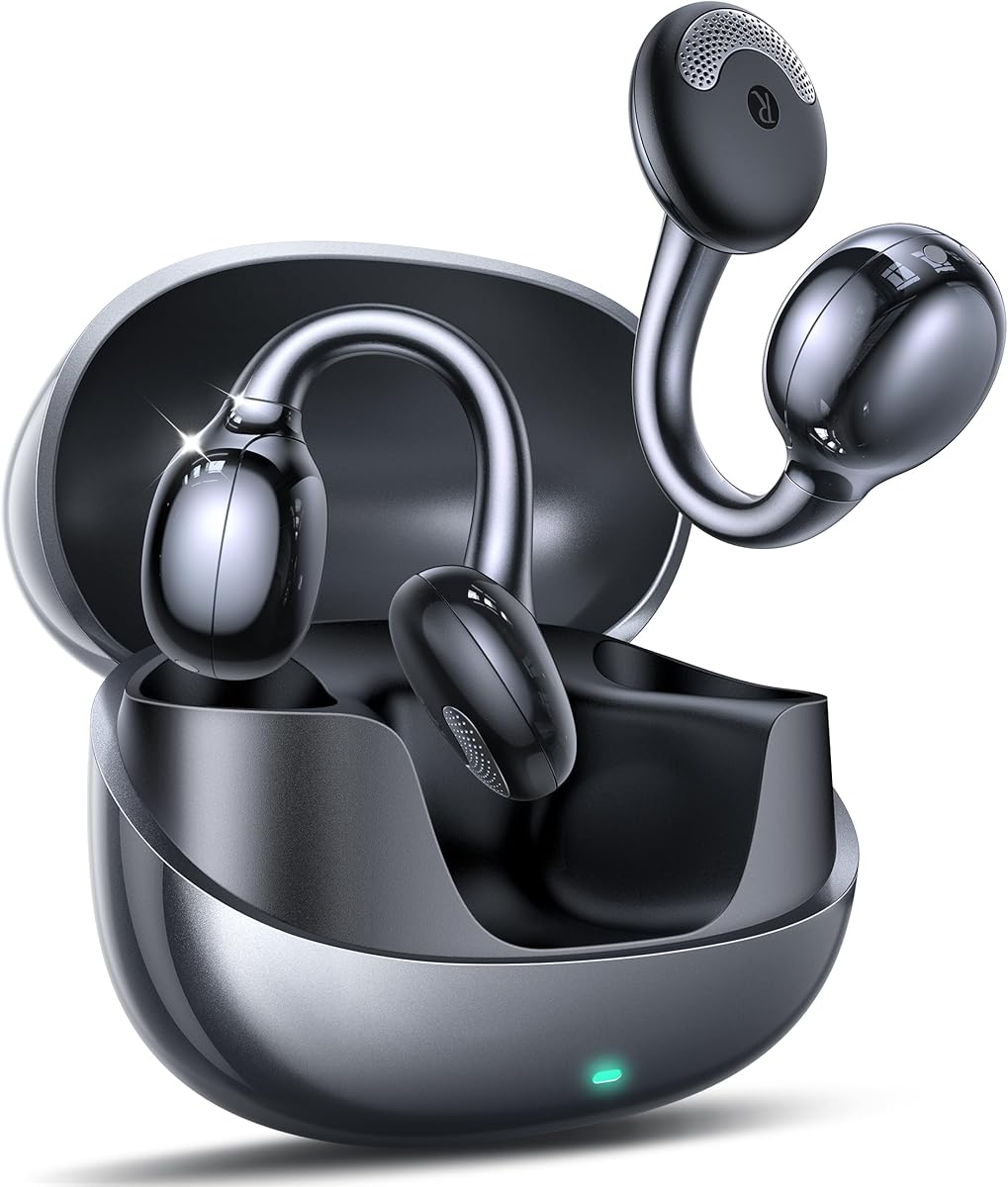
The JOYROOM OE3 represents a specific category of audio gear designed for situational awareness during activities. Unlike traditional earbuds or bulky headphones, these clip-on open-ear models prioritize comfort and environmental sound transparency, making them ideal for runners, cyclists, and those in shared workspaces who need to hear their surroundings.
Key Considerations Before Buying
- Fit and security are paramount; the OE3's ear hook design must stay put during vigorous motion without causing pressure points on the cartilage.
- Sound quality expectations must be adjusted for open-ear acoustics; you're getting directional audio projection rather than immersive, sealed bass, despite marketing claims of 'Deep Bass.'
- Battery life and multipoint connection stability are critical for all-day users who switch between a phone and laptop, a key feature of the OE3.
What Our Analysts Recommend
For clip-on designs, examine the hinge and clamping force—it should be firm enough to secure but adjustable. Listen for clear midrange and treble in reviews, as bass will naturally be less pronounced. Check for mentions of wind noise during outdoor use, a common challenge for open-ear drivers.
Open-Ear Headphones Market Context
Market Overview
The open-ear clip-on market is rapidly expanding beyond bone conduction, offering a lighter, often more affordable alternative. Brands like JOYROOM compete on comfort features and connectivity, but audio fidelity varies significantly compared to in-ear monitors.
Common Issues
Users frequently report inconsistent fit across different ear shapes, leading to sound leakage or discomfort. Audio quality can suffer in noisy environments, and microphone performance for calls is often a weak point due to the microphone's distance from the mouth.
Quality Indicators
Look for products with clear specifications on driver size (often 16mm+ for better projection) and Bluetooth codec support (like aptX for lower latency). Quality hinges and silicone-coated ear hooks are material indicators of durability.
Review Authenticity Insights
Grade B Interpretation
A Grade B with an 11% estimated fake review rate suggests the JOYROOM OE3's review profile is reasonably trustworthy but requires discernment. The adjusted rating of 3.80/5 is a more reliable performance indicator than the surface 4.00/5.
Trust Recommendation
Focus on verified purchase reviews that detail specific use cases like running or gym workouts. Be slightly skeptical of reviews that only praise 'powerful bass' without context, as this is atypical for open-ear designs.
Tips for Reading Reviews
Prioritize reviews that discuss fit adjustments, battery life in real-world use, and call clarity. Look for comparisons to other open-ear models, which indicate an informed buyer and provide more substantive context.
Expert Perspective
The JOYROOM OE3's genuine user feedback points to a competent, value-oriented option in the open-ear category, particularly for active users prioritizing situational awareness and comfort over audiophile-grade sound. The 3.80 adjusted rating reflects real-world trade-offs: excellent comfort and secure fit for many, countered by expected limitations in bass response and occasional connectivity notes. Features like auto L-R recognition and multipoint connection are practical advantages for daily use.
Purchase Considerations
Buy this if your primary activities are running, cycling, or working in environments where hearing ambient noise is essential. Consider alternatives if you prioritize rich, immersive sound for music listening or need superior microphone isolation for frequent calls in windy or loud settings.
Comparing Alternatives
Shoppers should compare the OE3's clip-on design with traditional neckband open-ear models and bone conduction headphones for similar use cases.


