
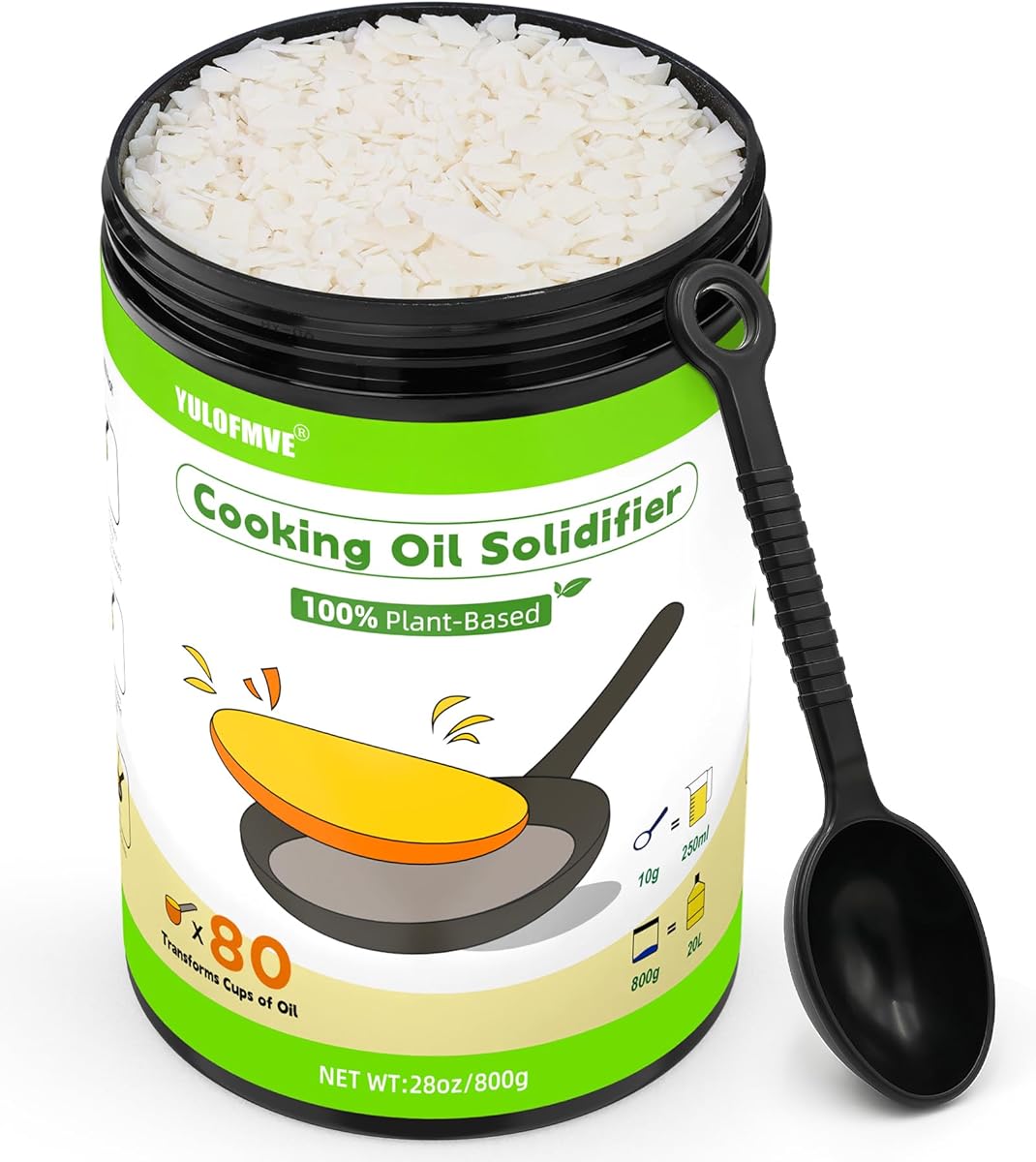
Choosing the Right Oil Solidifier: Plant-Based Performance vs. Traditional Disposal
When evaluating cooking oil solidifier powders like this 100% plant-based formula, buyers should understand that effectiveness depends on both chemical composition and proper application technique. This specific product claims to solidify up to 80 cups of used oil, which represents a significant capacity compared to many competitors, but requires understanding how plant-based polymers interact with different oil types and temperatures.
Key Considerations Before Buying
- Consider your typical oil disposal volume—this product's 80-cup capacity suits frequent fryers but may be excessive for occasional users who generate smaller quantities.
- Evaluate oil temperature at application—plant-based solidifiers like this one often work best with cooled but still liquid oils, unlike some petroleum-based alternatives that handle hotter oils.
- Assess your disposal preferences—this powder creates solid blocks suitable for trash disposal, eliminating the messy liquid transfer required for traditional oil recycling containers.
What Our Analysts Recommend
Quality oil solidifiers should specify their active ingredients (this product emphasizes 100% plant-based composition) and provide clear oil-to-powder ratios. Look for products that detail solidification timeframes—effective powders should transform liquid oil within hours, not days, and create firm, non-greasy blocks that won't leak in trash bags.
Cooktop Cleaners Market Context
Market Overview
The cooking oil solidifier market has expanded significantly as municipalities restrict liquid oil disposal and consumers seek cleaner alternatives to storing messy containers. Plant-based formulas like this one represent a growing segment appealing to environmentally conscious households, competing with traditional polymer-based powders and solidifying mats.
Common Issues
Users frequently report inconsistent solidification with cheaper products, particularly with saturated fats or heavily used oils. Some powders create crumbly masses rather than cohesive blocks, while others leave residual greasiness that defeats the purpose of clean disposal. Temperature sensitivity remains a frequent complaint across the category.
Quality Indicators
Premium solidifiers provide precise measuring tools and detailed instructions for different oil types (vegetable, animal, mixed). They maintain effectiveness across varying oil ages and contamination levels, and create truly solid masses that don't revert to liquid in warm environments. Transparent ingredient lists separating plant-based from synthetic polymers indicate better formulation.
Review Authenticity Insights
Grade B Interpretation
The Grade B authenticity rating with 10% estimated fake reviews indicates generally reliable feedback with minor manipulation concerns. For this specific oil solidifier, this suggests most reviews reflect genuine user experiences, though shoppers should be slightly more critical of extreme positive claims than they would with an A-grade product.
Trust Recommendation
Focus on reviews that describe specific scenarios like 'solidified my Thanksgiving turkey fry oil' or 'worked on 3-day-old vegetable oil but not bacon grease,' as these demonstrate actual usage. The adjusted 4.30/5 rating (down from 4.56/5) after removing suspicious reviews represents a more reliable performance indicator for this plant-based formula.
Tips for Reading Reviews
Prioritize reviews that mention the product's plant-based composition specifically, as this differentiates it from petroleum-based alternatives. Look for detailed accounts of oil types solidified, quantities handled, and disposal outcomes—authentic users typically describe the physical characteristics of the solidified blocks and any odor considerations.
Expert Perspective
This cooking oil solidifier presents a compelling option for households seeking plant-based disposal solutions, with its 80-cup capacity being particularly noteworthy for frequent frying operations. The 4.30/5 adjusted rating from predominantly authentic reviews suggests reliable performance, though the 10% fake review rate warrants cautious evaluation of outlier claims. The product's positioning in the cooktop cleaner category rather than general household chemicals indicates a specialized formulation for kitchen-specific challenges, which often correlates with better performance on food-grade oils compared to all-purpose solidifiers.
Purchase Considerations
Weigh this product's plant-based composition against potentially faster-acting synthetic alternatives if environmental concerns are primary. Consider whether your typical oil disposal volume justifies the large capacity, as smaller containers might be more practical for occasional users. The solid block disposal method eliminates container storage but requires immediate trash removal to prevent potential liquefaction in warm conditions.
Comparing Alternatives
Shoppers should compare this plant-based powder's performance claims and cost-per-use against competing solidifier types, including pods, sheets, and traditional polymer powders with different chemical bases.


![Affresh Dishwasher Cleaner, Helps Power Away Odor Causing Bacteria, Limescale, Mineral Deposits & Grime Inside Pump, Tub & Hoses, 12 Tablets, 1 Year Supply [2 Pack]](https://m.media-amazon.com/images/I/81TeVeIlclL._AC_SL1500_.jpg)
