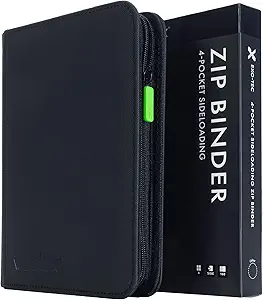
Protect Your Collection: 9-Pocket Binder Buying Secrets for 360 Cards
When you're storing 360 trading cards in a single binder, the 9-pocket layout is a popular choice, but not all binders are created equal. This black card binder promises to hold your collection securely, yet the real test lies in the quality of its pockets, spine, and cover. Here's what you need to know before you commit to this specific storage solution.
Key Considerations Before Buying
- Check the pocket material and whether it's acid-free and PVC-free to prevent damage to your valuable cards over time. Static-free, non-stick pages are essential for easy insertion and removal without scratching.
- Assess the binder's capacity claim of 360 cards—this typically means 40 pages, but verify if the pages are truly double-sided and if the binder's ring mechanism can handle the weight without bending or misaligning.
- Consider the cover and spine durability, especially if the binder will be transported. A rigid, padded cover and a spine that allows the binder to lie flat when open are crucial for protecting cards during trade or play.
What Our Analysts Recommend
Inspect the stitching and seams of the pages, as loose pockets can lead to cards slipping out. Look for a binder that opens flat to 180 degrees, reducing stress on the spine and making it easier to view cards. Also, check the zipper or closure—if present—to ensure it securely keeps dust and debris out.
Albums Market Context
Market Overview
The trading card storage market has expanded significantly with the resurgence of Pokémon and sports cards, leading to a flood of binders and portfolios. Consumers now prioritize both protection and aesthetics, with black being a classic, neutral choice that suits any collection. This product competes in a crowded space where price and page quality often vary widely.
Common Issues
A frequent issue with budget binders is the use of thin, non-archival pages that can warp or stick to cards, especially in humid climates. Another problem is ring binders that dent or scratch cards when the rings are not aligned, or pages that tear at the perforations after repeated use. Some binders also have a chemical smell from low-quality adhesives or inks.
Quality Indicators
High-quality binders typically use thick, rigid covers and have reinforced spines. Look for pages made from polypropylene or similar archival materials, and check for smooth edges and precise pocket dimensions. A binder that lies flat when open and has a secure closure mechanism (like a zipper or elastic band) is often a sign of better craftsmanship.
Review Authenticity Insights
Grade B Interpretation
The Grade B and 10% estimated fake review percentage suggest that while the majority of reviews are genuine, there's a small but notable portion that may be incentivized or fabricated. This means you can generally trust the 4.78-star rating, but you should read individual reviews with a critical eye for overly enthusiastic or vague language.
Trust Recommendation
Given the authenticity grade, it's wise to focus on reviews that mention specific details, like how the binder held up after months of use or how it fits in a backpack. Also, be cautious of reviews that are extremely brief or lack verified purchase badges. The actual adjusted rating of 4.50 is still strong, so you can proceed with confidence, but don't ignore the 10% potential for bias.
Tips for Reading Reviews
When reading reviews for this binder, look for comments about card fit—some sleeves might be too tight or too loose for your cards. Also, pay attention to any mentions of page count or binder capacity, as some sellers may advertise 360 but deliver fewer pages. Finally, prioritize reviews from users who mention the binder's intended use, like for Pokémon or sports cards, to gauge relevance.
Expert Perspective
This 9-pocket binder appears to be a solid choice for casual collectors and parents organizing children's cards, given its high genuine rating and specific user praise. The 360-card capacity is practical for a growing collection, and the black color is both professional and practical for hiding wear. However, the 10% fake review rate and slight rating adjustment mean you should not overpay based on the raw score alone.
Purchase Considerations
Weigh the price against the quality of the pages and cover, as cheaper binders may need replacement sooner. If you plan to store high-value cards, consider investing in a binder with extra features like a zipper or side-loading pockets. For everyday use, this binder likely offers good value, but always compare with other brands that offer similar capacities.
Comparing Alternatives
Before finalizing, check if there are other binders with similar 9-pocket layouts but from brands known for archival quality, such as Ultra Pro or BCW. These may cost more but offer peace of mind for long-term storage.