Choosing Natural Sponges: Balancing Eco-Credentials with Practical Performance
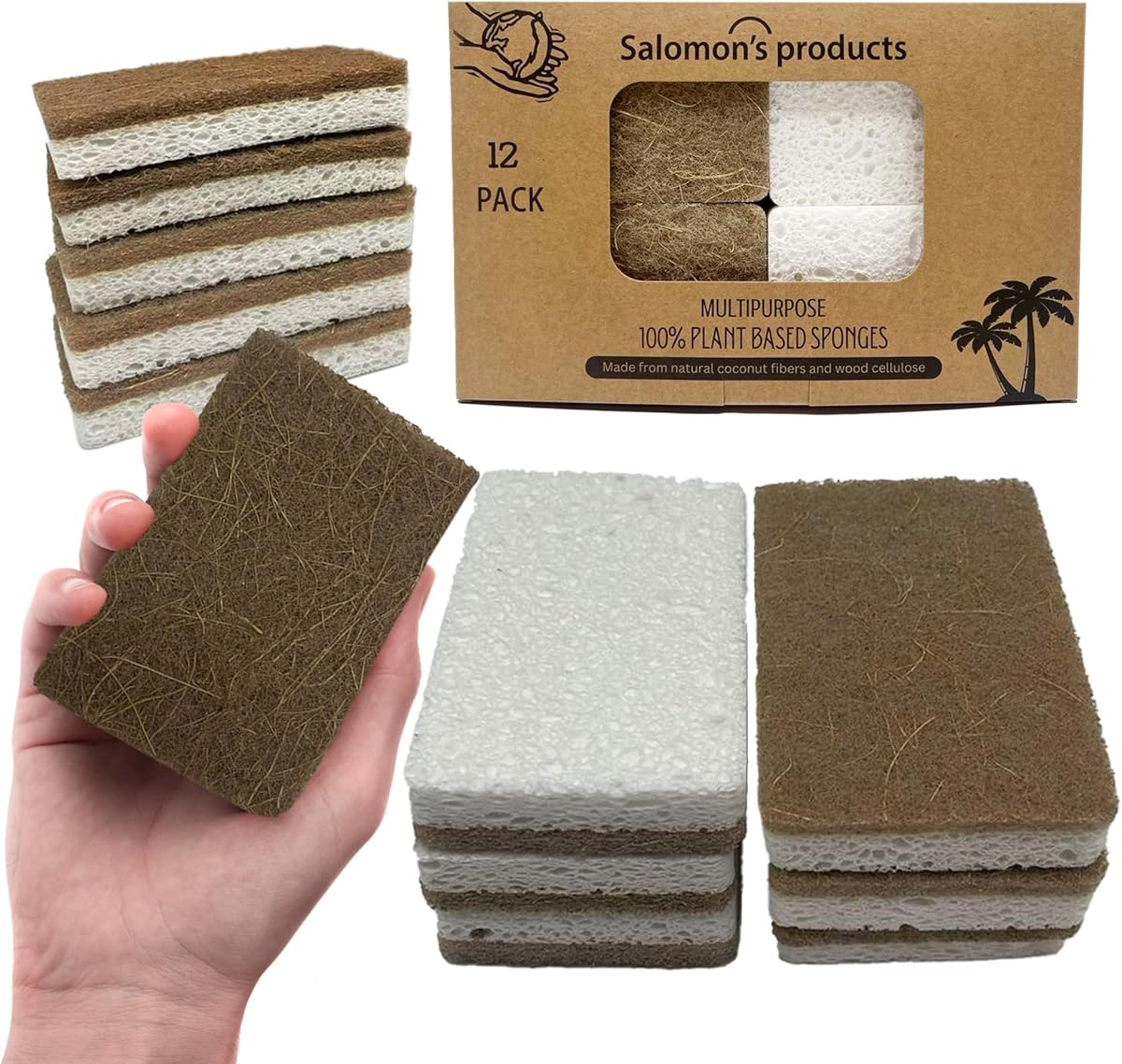
When evaluating this 12-pack of wood cellulose and coconut fiber sponges, buyers should focus on how its specific plant-based composition translates to real-world dishwashing. Unlike synthetic sponges, this product's biodegradable claim hinges on its blend of renewable materials, which also dictates its scrubbing texture and drying time.
Key Considerations Before Buying
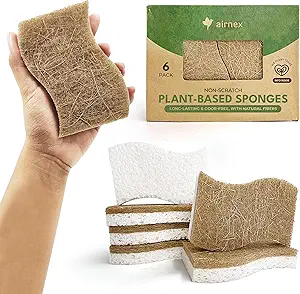
- Assess the dual-texture design: the softer wood cellulose side should be gentle on non-stick coatings, while the coarser coconut fiber side must provide enough abrasion for stuck-on food without scratching glass or ceramic.
- Consider the pack size relative to durability; a 12-pack suggests the manufacturer anticipates regular replacement, so verify reviews mention longevity beyond a few weeks of daily use.
- Evaluate the 'quick-drying' claim practically; natural fibers can resist odor if they dry thoroughly between uses, which is crucial for a product sold in bulk.
What Our Analysts Recommend
High-quality natural sponges will have a consistent, resilient texture without shedding fibers excessively during the first use. The binding between the wood cellulose and coconut fiber layers should be secure, preventing delamination when wrung out. A genuine compostable sponge will break down in a home compost bin, not just be labeled 'biodegradable' in industrial facilities.
Sponges Market Context
Market Overview
The kitchen sponge market is increasingly segmented, with eco-conscious options like this one competing against traditional plastic-based scrubs and silicone alternatives. Products making specific 'home compostable' and 'plant-based' claims are under scrutiny for greenwashing, making material transparency paramount.
Common Issues
Common failures in natural fiber sponges include premature disintegration, poor water retention making them inefficient for suds, and inconsistent scrubbing surfaces where the abrasive side is either too weak or overly harsh. Many also disappoint on odor resistance if the drying time is slow.
Quality Indicators
Look for specific fiber sourcing (e.g., FSC-certified wood cellulose) and third-party compostability certifications. A higher-density weave indicates better durability, and reviews should consistently mention performance across the entire multi-pack, not just the first sponge.
Review Authenticity Insights
Grade B Interpretation
A Grade B with a 10% estimated fake review rate for this product is relatively positive in the household goods category, where incentive-driven reviews are common. It suggests the high 4.78-star rating is likely anchored in genuine user experiences, with minimal coordinated manipulation.
Trust Recommendation
Focus on the 7 verified purchase reviews within the analysis. Pay particular attention to reviews that discuss long-term use over weeks or mention specific cleaning tasks, as these are harder to fabricate. The adjusted rating of 4.50/5 is a more reliable performance benchmark than the headline 4.78.
Tips for Reading Reviews
For sponges, prioritize reviews that detail the product's lifecycle—initial performance, mid-term durability, and end-of-life composting experience. Be skeptical of reviews that only praise eco-friendliness without describing practical use, scrubbing feel, or drying speed.
Expert Perspective
The analysis data indicates a product that likely performs well for its niche, with authentic reviews supporting its core claims. The high verification rate (7 of 9 analyzed) and strong adjusted rating suggest customers are genuinely satisfied with its performance as a biodegradable scrubber. The specific material blend of wood cellulose and coconut fiber is a recognized formulation for balancing softness and abrasion, which aligns with the positive feedback.
Purchase Considerations
Weigh the premium for eco-materials against your scrubbing needs; these sponges may not match the extreme scrubbing power of synthetic nylon pads but offer a sustainable compromise. The 12-pack format makes sense if you confirm the sponges last a reasonable time and you have access to home composting to realize the end-of-life benefit.
Comparing Alternatives
Shoppers should compare the fiber blend and certifications with other natural sponges, as not all 'plant-based' scrubs use the same ratio of cellulose to coconut fiber, which affects texture and durability.