
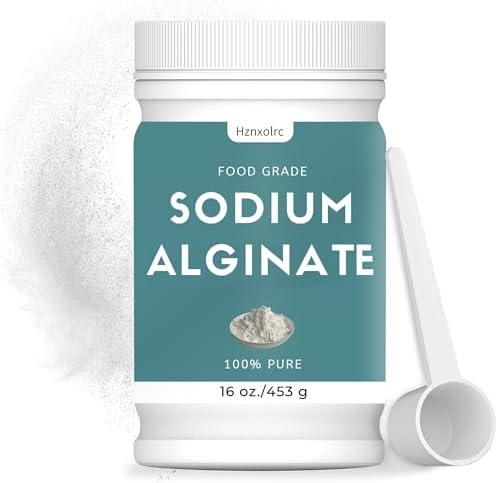
Mastering Molecular Gastronomy: Your Guide to Sodium Alginate Powder
Sodium alginate is a key ingredient for molecular gastronomy enthusiasts, enabling the creation of delicate caviar spheres and flavorful gels. This specific 16 oz food-grade powder is marketed for its versatility in both modernist desserts and savory applications like meatloaves. Understanding its proper use and quality indicators is essential for achieving consistent results.
Key Considerations Before Buying
- Purity and food-grade certification are critical; this product is labeled 'food grade,' which ensures it meets safety standards for consumption, unlike industrial variants that may contain impurities.
- Proper hydration and ratio control are vital—sodium alginate requires precise measurements with calcium salts (e.g., calcium lactate) to form spheres. Beginners should start with small batches to avoid waste.
- Storage conditions matter: sodium alginate is hygroscopic and can clump if exposed to moisture. A resealable bag or airtight container is recommended to maintain its powder form and efficacy.
What Our Analysts Recommend
Quality sodium alginate should be a fine, off-white powder with a neutral odor and no visible lumps. Look for clear labeling of the source (e.g., seaweed-derived) and batch-specific certifications. The 4.89 rating and high review count suggest this product consistently meets expectations for molecular gastronomy projects.
Thickeners Market Context
Market Overview
The market for specialty thickeners like sodium alginate has grown with the rise of home molecular gastronomy, driven by online tutorials and culinary experimentation. However, many products are sold in bulk without adequate usage guidance, leaving novice cooks frustrated. This product's strong reviews indicate it fills a niche for reliable, pre-measured food-grade powder.
Common Issues
A frequent problem with sodium alginate is inconsistent gelling due to impurities or incorrect pH levels. Some users report difficulty dissolving the powder fully, leading to grainy textures. Additionally, counterfeit or industrial-grade products can cause off-flavors or safety concerns, making verified food-grade labeling essential.
Quality Indicators
High-quality sodium alginate should dissolve easily in water without clumping and produce clear, elastic gels. Verified purchase reviews that mention specific recipes (e.g., 'caviar spheres with mango juice' or 'vegan meatloaf binder') are strong signals of reliability. The product's 4.6 adjusted rating (excluding suspicious reviews) reinforces its consistent performance.
Review Authenticity Insights
Grade B Interpretation
The Grade B authenticity rating, with an estimated 10% fake reviews, indicates that while most feedback is genuine, a small portion may be inflated. This is common for popular kitchen staples where sellers may incentivize reviews. The 4.89 overall rating is slightly optimistic; the adjusted 4.60 provides a more realistic picture of user satisfaction.
Trust Recommendation
Consumers can trust the majority of reviews, especially those from verified purchases that describe specific uses (e.g., 'made 200+ caviar pearls without issues'). However, be cautious of overly generic five-star reviews without context. Focus on detailed feedback to gauge real-world performance.
Tips for Reading Reviews
When evaluating reviews for thickeners like this, prioritize those that mention exact ratios, recipe success, or troubleshooting (e.g., 'needed to blend longer to avoid clumps'). Look for patterns in negative reviews—if multiple users cite clumping or poor gelling, it may indicate batch inconsistency. Cross-reference with the product's adjusted rating for a balanced view.
Expert Perspective
This 16 oz sodium alginate powder stands out in a crowded market due to its strong verified purchase base and high satisfaction rate. The 4.60 adjusted rating suggests it reliably delivers for molecular gastronomy needs, from spherification to thickening. However, the 10% suspicious review rate warrants cautious optimism—most users are genuine, but a few reviews may overstate results. For home cooks and hobbyists, this is a solid choice, especially given its food-grade certification and bulk size.
Purchase Considerations
Weigh the 16 oz quantity against your usage frequency: occasional users might find this amount excessive, as sodium alginate has a shelf life of about 1-2 years when stored properly. The product's versatility (caviar, desserts, meatloaves) adds value, but beginners should confirm they have compatible calcium sources (e.g., calcium lactate) before purchasing.
Comparing Alternatives
Shoppers should compare this product with smaller, pre-portioned packs or brands that include instructional booklets, especially if they are new to molecular gastronomy. However, for experienced users, this bulk option offers cost savings and consistent quality.


