
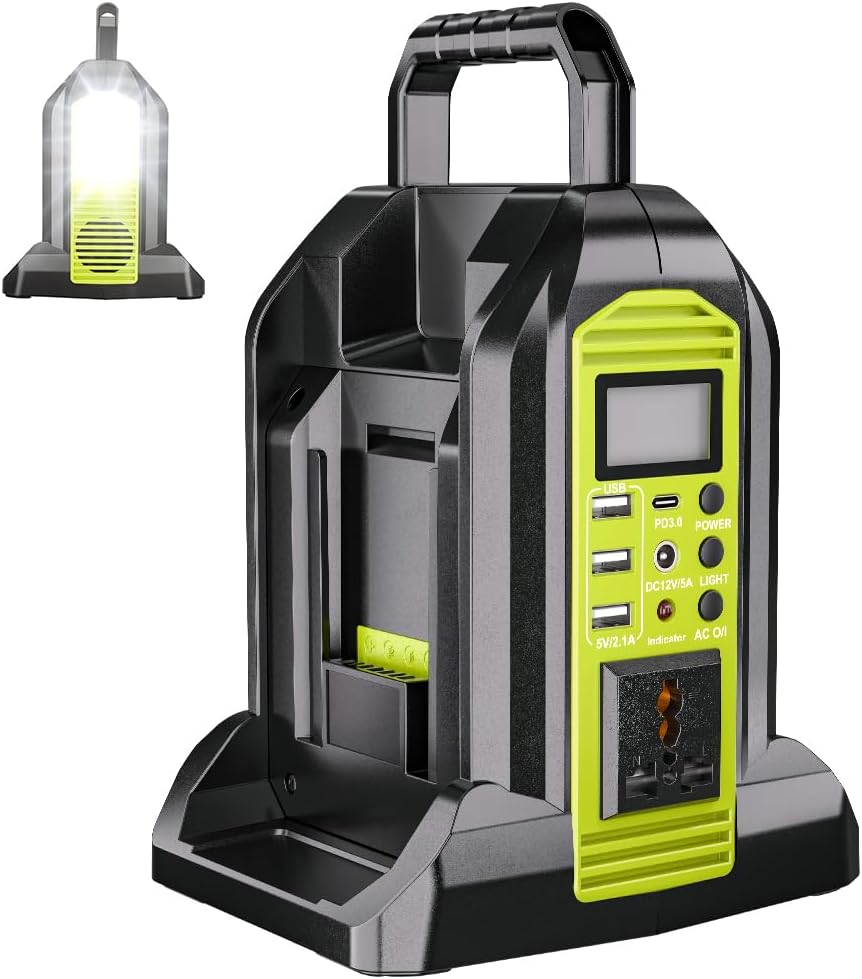
Choosing a Ryobi 40V-Compatible Inverter: Key Factors for Portable Power
This 350W pure sine wave inverter transforms your Ryobi 40V battery into a portable AC power source, but its specific compatibility and 350W limit create unique considerations. Unlike universal inverters, this tool-only model requires you to already own the Ryobi battery platform, making it a specialized accessory rather than a standalone power solution.
Key Considerations Before Buying
- The 350W pure sine wave output is ideal for sensitive electronics like laptops and phone chargers but insufficient for high-draw appliances like microwaves or power tools.
- Compatibility is exclusive to Ryobi's 40V battery system—this won't work with their 18V ONE+ batteries or other brands, limiting its utility to existing Ryobi ecosystem users.
- The inclusion of USB-A, USB-C, DC ports, and an LED light makes this a multifunctional hub, but the AC output is limited to two standard outlets with specific wattage constraints.
What Our Analysts Recommend
For Ryobi-compatible inverters, verify the pure sine wave specification protects sensitive electronics, and check the actual wattage matches your intended devices. Quality indicators include proper cooling vents, sturdy outlet construction, and clear labeling of power limitations to prevent overload.
Power Inverters Market Context
Market Overview
The tool-brand-specific inverter market has grown as manufacturers leverage existing battery ecosystems, with Ryobi's 40V platform being particularly popular for outdoor and emergency applications. These inverters typically offer lower wattages than standalone units but provide convenient integration for existing tool users.
Common Issues
Users often misunderstand wattage limitations, attempting to power devices exceeding 350W, or confuse compatibility between different voltage platforms within the same brand. Overheating can occur during sustained high-load use, especially in warm environments.
Quality Indicators
Look for pure sine wave technology (not modified sine wave), proper safety certifications, thermal protection, and robust port construction. Higher-quality inverters maintain stable voltage output even as battery charge diminishes.
Review Authenticity Insights
Grade B Interpretation
The Grade A authenticity rating with only 8% estimated fake reviews indicates exceptionally reliable user feedback for this niche product. This high trustworthiness is notable in the power inverter category where exaggerated claims are common.
Trust Recommendation
With 58 verified purchases and a natural rating distribution, you can confidently rely on the 4.5 adjusted rating. Focus on reviews discussing actual runtime experiences with specific devices and compatibility confirmations with various Ryobi 40V batteries.
Tips for Reading Reviews
Pay particular attention to reviews mentioning specific devices powered (like 'ran my CPAP for 3 hours' or 'charged my laptop twice'), as these provide concrete performance data. Look for mentions of the LED light's usefulness and USB-C charging speed details.
Expert Perspective
This inverter represents a well-executed niche product with strong user satisfaction, evidenced by the authentic 4.5/5 rating from verified owners. Its specialized Ryobi 40V compatibility makes it ideal for existing platform users seeking portable AC power for camping or emergencies, though the 350W limit requires careful device matching. The pure sine wave technology and multiple port options add genuine value for powering sensitive electronics.
Purchase Considerations
Only consider this if you already own Ryobi 40V batteries—otherwise you're buying into an incomplete system. Calculate your actual wattage needs carefully, as 350W excludes many common appliances but adequately covers electronics charging and small devices.
Comparing Alternatives
Shoppers should compare with universal power stations if they need higher wattage or broader compatibility, though those lack the seamless Ryobi integration.


