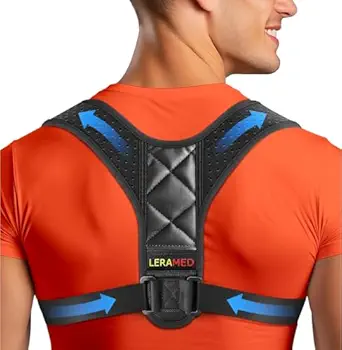
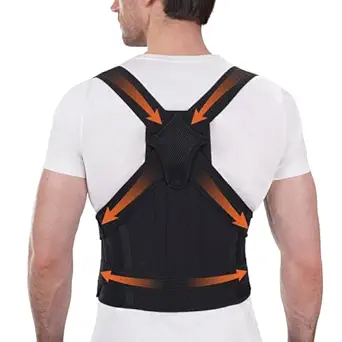
Bionic Back Support: Choosing a Posture Corrector for Upper & Lower Relief
When selecting a posture corrector like the Bionic System model with dual 3D pads, buyers should focus on adjustability and targeted support for both upper and lower back. This device aims to provide precise full back support, making it crucial to understand how the bionic design and padding address specific pain points.
Key Considerations Before Buying
- Fit and adjustability: Ensure the corrector has multiple adjustment points to accommodate different body shapes and provide a snug, comfortable fit without restricting movement.
- Targeted support: Look for features like dual 3D pads that can apply pressure exactly where needed, such as the upper back for slouching or lower back for lumbar support.
- Material quality: Breathable, moisture-wicking fabrics are essential for all-day wear, especially if you plan to use the corrector during daily activities or exercise.
What Our Analysts Recommend
Quality posture correctors often include rigid or semi-rigid inserts for structural support, adjustable straps for a customized fit, and soft padding to prevent skin irritation. Check for 3D contouring that follows the natural spine curve, as seen in this bionic system, to ensure comfort and effectiveness.
Back Braces Market Context
Market Overview
The back brace market has evolved from simple elastic bands to advanced bionic systems with 3D pads, reflecting a growing demand for ergonomic solutions to sedentary lifestyles. Products like this corrector target both upper and lower back pain, appealing to office workers and those with chronic discomfort.
Common Issues
A frequent problem with posture correctors is poor fit leading to slippage or discomfort, especially with one-size-fits-all designs. Users also report that some braces lack sufficient lumbar support or cause skin chafing after extended use.
Quality Indicators
High-quality correctors feature adjustable tension systems, breathable neoprene or cotton blends, and reinforced stitching. The presence of dual 3D pads and a bionic framework indicates a focus on biomechanical alignment, which is a positive sign for efficacy.
Review Authenticity Insights
Grade B Interpretation
With a Grade B and an estimated 10% fake review rate, the majority of feedback for this posture corrector appears authentic, but a small portion may be unreliable. This suggests you can generally trust the 4.22-star rating, though it's wise to read reviews critically.
Trust Recommendation
Given the strong signals of authenticity from verified purchases and personal health contexts, you can rely on the overall consensus. However, be cautious of extremely positive or negative reviews lacking detail, as they may be among the 10% that aren't genuine.
Tips for Reading Reviews
Focus on reviews that mention specific benefits like reduced shoulder pain or improved posture during work. Look for comments on the 3D pads' comfort and the bionic system's adjustability, as these details often come from real users.
Expert Perspective
The Posture Corrector with Bionic System and dual 3D pads offers a promising solution for those seeking comprehensive back support, backed by mostly genuine user experiences. Its 4.00 adjusted rating suggests consistent satisfaction, though the 10% fake rate warrants caution. The design's focus on both upper and lower back aligns with common pain patterns, making it a viable option for daily use.
Purchase Considerations
Weigh the benefits of the bionic system's precise support against potential fit issues for non-standard body types. If you have specific back conditions, consult a healthcare provider before relying on this device as a primary treatment.
Comparing Alternatives
Shoppers should compare this model with other posture correctors that offer similar 3D padding or adjustable tension to ensure the best match for their needs.