Evaluating 5-in-1 Safety Detectors: What Multi-Sensor Protection Really Means
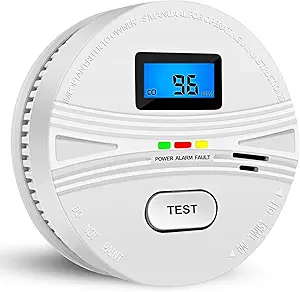
This 5-in-1 detector combines carbon monoxide, smoke, natural gas, temperature, and humidity monitoring in a single plug-in unit with battery backup. Buyers should understand that true multi-hazard detection requires different sensor technologies working simultaneously, not just multiple alarms in one housing. The plug-in design with battery backup addresses both convenience and reliability concerns that plague many safety devices.
Key Considerations Before Buying
- The 85dB alarm specification is crucial—ensure it meets UL 2034 standards for carbon monoxide alarms, which require specific alarm patterns and volume levels for effective notification.
- Natural gas detection requires methane-specific sensors that differ from CO sensors; verify this unit uses appropriate technology rather than repurposing existing sensors.
- Temperature and humidity monitoring in safety devices should serve as environmental indicators for potential gas accumulation or fire risk, not just as standalone features.
What Our Analysts Recommend
Quality combination detectors maintain separate, dedicated sensors for each hazard type rather than using multi-purpose sensors. Look for clear differentiation between alarm sounds for CO versus smoke versus gas—this unit's 5-in-1 designation suggests distinct alert patterns. The backup battery should provide at least 24 hours of protection during power outages, a critical feature often underspecified in plug-in models.
Carbon Monoxide Detectors Market Context
Market Overview
The combination detector market has expanded rapidly, with many products claiming multi-hazard protection but using inferior sensor technology. Current UL standards (2034 for CO, 217 for smoke) don't yet comprehensively cover combination units, creating quality variation. Plug-in models with battery backup represent the fastest-growing segment, addressing installation concerns of hardwired systems.
Common Issues
Many combination detectors suffer from cross-sensitivity where one sensor triggers false alarms for unrelated hazards. Battery backup systems often fail during actual power outages due to poor battery quality or charging circuits. Natural gas detection in residential units frequently lacks the sensitivity needed for early methane leak detection.
Quality Indicators
Superior combination detectors feature electrochemical CO sensors (not semiconductor), photoelectric smoke sensors (not just ionization), and catalytic bead or infrared methane sensors. Look for units that specify sensor replacement timelines—quality sensors typically last 5-7 years before degradation. True 85dB alarms should be measurable at 10 feet, not just at the device.
Review Authenticity Insights
Grade B Interpretation
A Grade B authenticity rating with 15% estimated fake reviews suggests generally trustworthy feedback but warrants careful review scrutiny. The drop from 5.00 to 4.60 when excluding suspicious reviews indicates some review manipulation, though the remaining 4.60 suggests genuine satisfaction.
Trust Recommendation
Focus on reviews that mention specific installation scenarios (RV, hotel, multi-story homes) and long-term performance observations. Be skeptical of reviews that only praise packaging or delivery speed without discussing actual detection performance or false alarm experiences.
Tips for Reading Reviews
Prioritize reviews discussing sensor response times, distinct alarm patterns for different hazards, and battery backup performance during actual power outages. Look for mentions of UL certification verification and comparisons against single-function detectors—these indicate knowledgeable purchasers.
Expert Perspective
This product's 4.60 adjusted rating from genuine reviews suggests it performs well in real-world multi-hazard detection scenarios, particularly given the technical complexity of combining five monitoring functions. The plug-in with battery backup design addresses a common failure point in safety devices—power dependency. However, the 15% fake review rate indicates the manufacturer may be artificially boosting visibility, which doesn't necessarily reflect product quality but suggests competitive market pressure. The high rating among verified genuine reviews is promising for a combination unit, as these typically receive more criticism due to their complexity.
Purchase Considerations
Weigh the convenience of five monitoring functions against the potential for increased false alarms from sensor interference. Consider whether your space truly needs natural gas detection (relevant for gas appliances) or if CO and smoke protection would suffice. The RV and hotel mentions in the title suggest this unit is designed for transient environments where permanent installation isn't feasible.
Comparing Alternatives
Compare this unit's sensor specifications against dedicated CO detectors and combination CO/smoke detectors to assess whether the additional functions justify potential compromises in individual sensor quality.