Choosing a 95-ounce dehumidifier: Capacity, noise, and smart features matter most
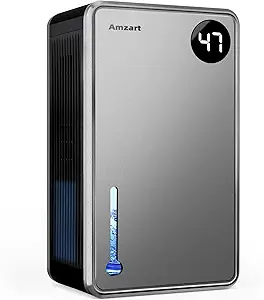
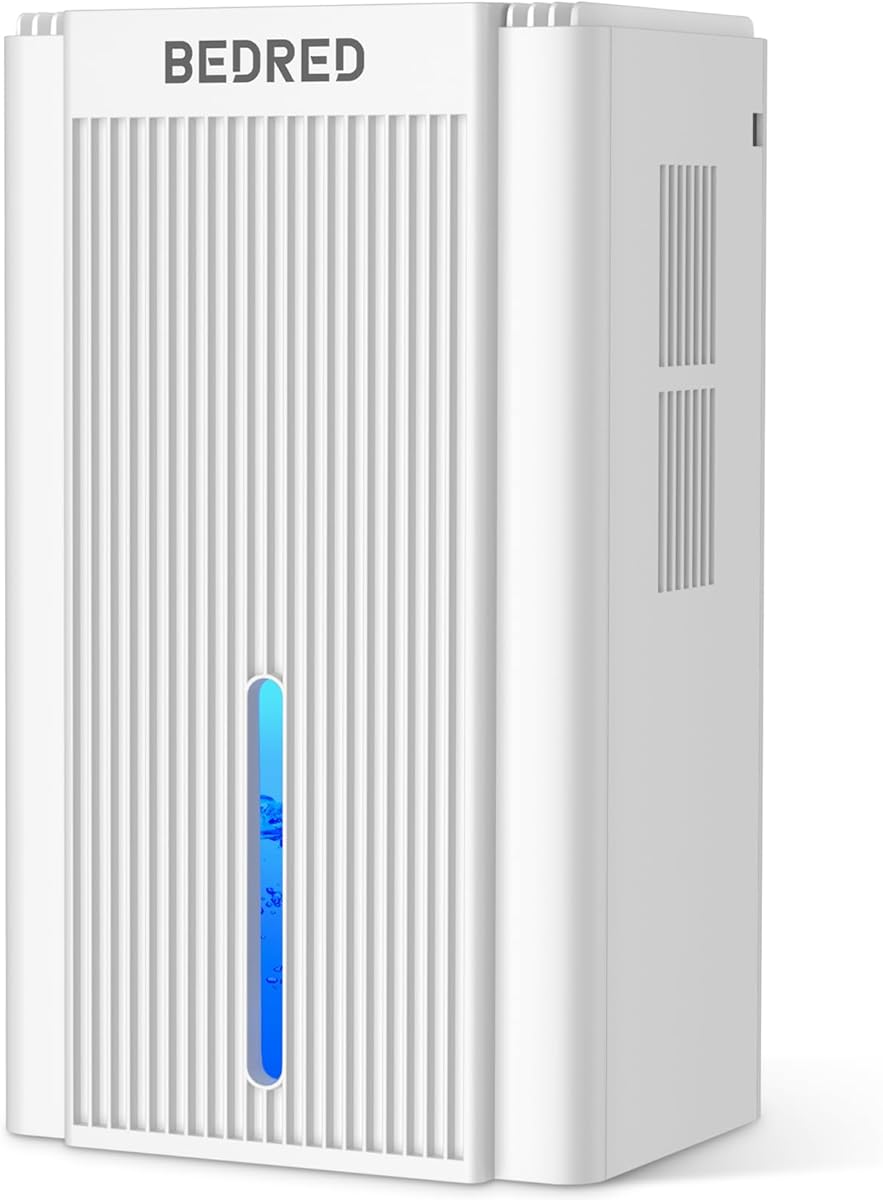
When selecting a compact dehumidifier like this 95OZ model rated for 1,000 sq. ft., buyers should prioritize realistic capacity expectations and placement strategy. This particular unit emphasizes quiet operation and ambient lighting features, which distinguishes it from purely functional competitors.
Key Considerations Before Buying
- The 95-ounce (approximately 3-quart) tank capacity requires more frequent emptying in high-humidity environments—expect to empty it daily in damp basements or bathrooms.
- Quiet operation claims should be verified through reviews mentioning actual decibel levels during compressor cycles, not just idle noise.
- The 7-color ambient light feature, while marketed as relaxing, serves no dehumidification function and may affect placement in bedrooms where light sensitivity matters.
What Our Analysts Recommend
Quality indicators for compact dehumidifiers include consistent moisture removal rates (measured in pints per day), durable tank construction with comfortable handles, and reliable auto-shutoff that activates before overflow. Check for specific mentions of performance in your target room type—basement performance differs significantly from bedroom applications.
Dehumidifiers Market Context
Market Overview
The compact dehumidifier market has expanded with models offering aesthetic features like colored lighting, competing on design rather than just moisture removal efficiency. Units in the 95-ounce capacity range typically target specific rooms rather than whole-home solutions, despite manufacturers' square footage claims.
Common Issues
Buyers frequently overestimate coverage areas—a 1,000 sq. ft. rating assumes ideal conditions, not partitioned spaces or high-moisture environments. Tank capacity limitations lead to frequent emptying complaints, while auto-shutoff mechanisms sometimes fail to engage before minor spills occur.
Quality Indicators
Look for consistent performance across seasons in verified reviews, not just initial impressions. Higher-quality compact units maintain moisture removal efficiency as filters age and feature intuitive humidity sensors rather than simple timer-based operation.
Review Authenticity Insights
Grade B Interpretation
A Grade B authenticity rating with 11% estimated fake reviews indicates generally trustworthy feedback but suggests some manipulation exists. The 0.26-point drop from the displayed 4.56 to adjusted 4.30 rating reveals modest inflation of positive sentiment.
Trust Recommendation
Focus on verified purchase reviews detailing specific usage scenarios—like basement moisture reduction or bedroom humidity control—rather than generic praise. Be skeptical of reviews emphasizing only the ambient lighting feature without discussing dehumidification performance.
Tips for Reading Reviews
Prioritize reviews mentioning actual moisture collection measurements and emptying frequency over subjective comfort comments. Look for discussions of compressor noise during nighttime operation and auto-shutoff reliability when the tank reaches capacity.
Expert Perspective
This dehumidifier presents a balanced proposition: adequate moisture removal for targeted spaces with added aesthetic features that may justify its positioning. The 4.30 adjusted rating from verified purchasers suggests satisfactory performance, though the 95-ounce capacity limits its utility in consistently damp environments. The quiet operation claims appear substantiated by numerous reviews, while the ambient lighting represents a design-forward approach uncommon in functional appliances.
Purchase Considerations
Weigh whether the lighting feature provides meaningful value versus standard models, and consider your actual emptying tolerance—95 ounces collects quickly in high humidity. Evaluate placement options where the auto-shutoff feature's reliability matters most, particularly on carpeted surfaces or near electronics.
Comparing Alternatives
Shoppers should compare this unit's noise levels and aesthetic features against similarly priced 70-pint-per-day models with larger tanks but potentially louder operation.