
Choosing a Cordless Knee Massager: Heat Levels, Fit, and FSA Eligibility Matter
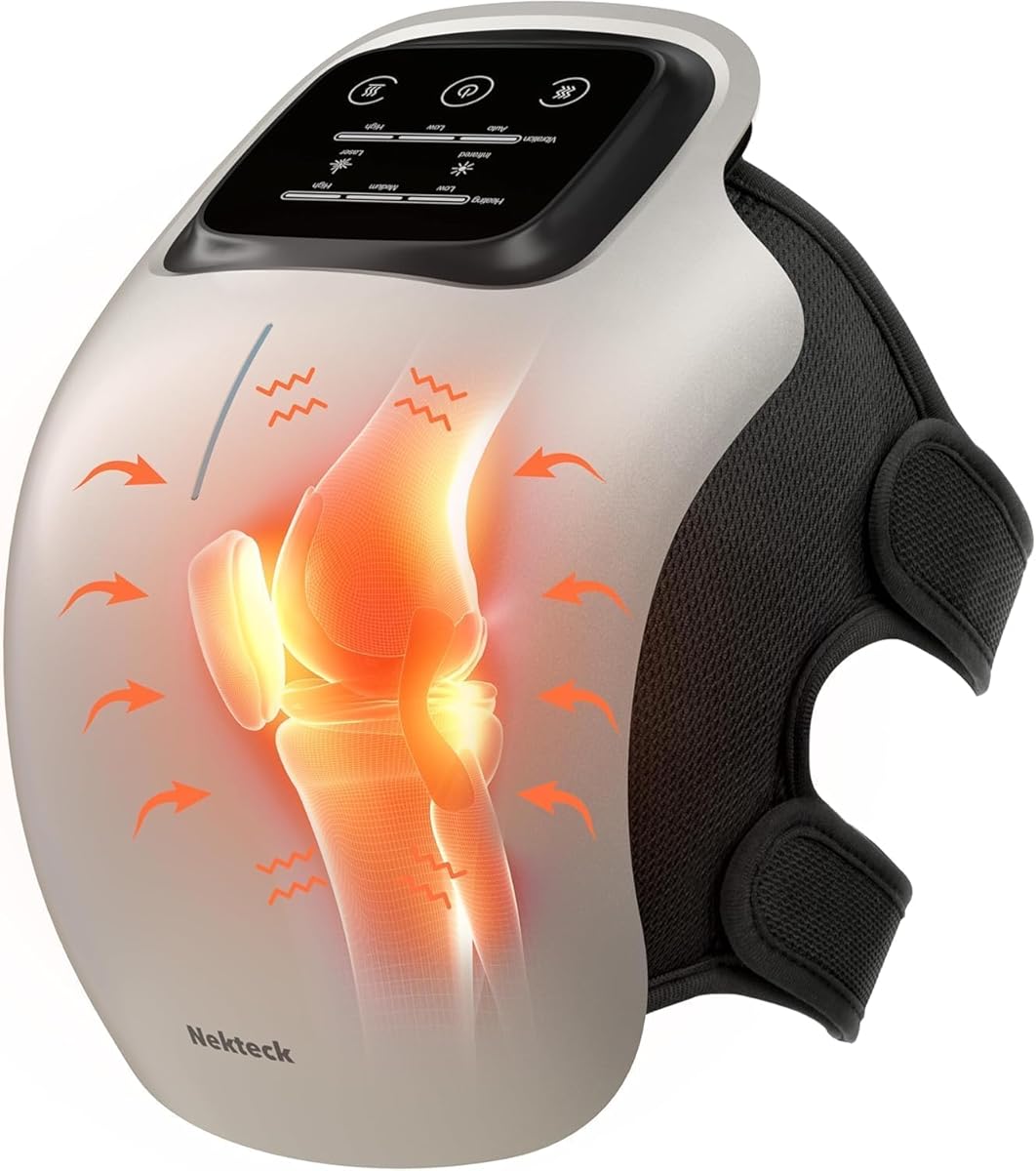
When evaluating cordless knee massagers like the Nekteck model, focus on how the heating and vibration functions address your specific discomfort. This particular device offers three distinct heat levels and multiple vibration modes, which are crucial for tailoring therapy to different types of knee pain, from post-exercise soreness to arthritis stiffness. The FSA eligibility is a significant financial benefit that separates it from many basic massagers.
Key Considerations Before Buying
- Assess the fit and adjustability; the Nekteck uses a wrap-around design with adjustable straps, which is essential for proper contact and pressure distribution around the knee joint.
- Evaluate battery life versus intensity needs; cordless operation provides convenience but requires balancing session length with the power demands of simultaneous heat and vibration.
- Consider the interface and controls; products with simple button controls and gentle indicator lights, like this one, are preferable for users who may need to operate it while resting or with limited mobility.
What Our Analysts Recommend
In this category, quality is indicated by consistent heat distribution across the pad and stable, rattle-free vibration motors. Look for mentions in reviews about the material's durability after repeated wrapping and the stability of the battery performance over time, as these are common failure points for wearable massagers.
Foot Massagers Market Context
Market Overview
The market for targeted electric massagers has expanded beyond traditional foot and back models to include joint-specific devices like knee massagers. These products often compete on portability, heat integration, and whether they qualify for flexible spending accounts. The Nekteck enters as a mid-range option emphasizing cordless use and multiple therapy modes.
Common Issues
Common problems include batteries that degrade quickly under dual heat-vibration load, straps that lose elasticity, and heating elements that develop cold spots. Another frequent concern is one-size-fits-all designs that don't accommodate larger or more sensitive knees comfortably.
Quality Indicators
Quality knee massagers feature separate controls for heat and vibration, use breathable neoprene or similar materials for the wrap, and have clear documentation regarding FSA/HSA eligibility. Positive long-term reviews focusing on consistent performance over months are a stronger indicator than initial impressions.
Review Authenticity Insights
Grade B Interpretation
A Grade B with an estimated 10% fake review rate suggests the review profile is generally reliable but requires discerning reading. For this Nekteck massager, it means the high 4.67 average rating is slightly inflated, and the more accurate adjusted rating of 4.40 is a better benchmark for performance expectations.
Trust Recommendation
Prioritize verified purchase reviews that detail specific use cases, like recovery from knee replacement or management of osteoarthritis pain, over vague praise about 'feeling good.' Pay close attention to critical 3-star reviews, as they often reveal realistic limitations about battery life or fit that perfect scores may omit.
Tips for Reading Reviews
For therapeutic devices, seek out reviews that describe the type of pain addressed (e.g., 'tendonitis,' 'post-run ache') and the settings used. Be skeptical of reviews that only mention gifting or packaging and lack details on actual therapeutic effect over multiple sessions.
Expert Perspective
The Nekteck Knee Massager presents a compelling package with its cordless design, FSA eligibility, and multi-mode functionality. The significant gap between the raw rating (4.67) and the adjusted rating (4.40) highlights the impact of potentially incentivized reviews, urging a cautious interpretation of its top-tier scores. Its positioning as a Valentine's gift suggests a consumer-friendly design, but the core value lies in its utility for chronic pain sufferers or active individuals seeking targeted recovery. The combination of heat and vibration is standard for the category, but its execution and durability will determine long-term satisfaction.
Purchase Considerations
Weigh the convenience of cordless operation against your typical usage pattern; if you need sessions longer than 30 minutes, a plug-in model might be more suitable. The FSA eligibility is a major advantage if you have such an account, effectively reducing the out-of-pocket cost. Consider if your primary need is heat therapy, vibration, or both, as some users find one modality more beneficial than the other.
Comparing Alternatives
Shoppers should compare the Nekteck's battery life and heat settings against similar cordless models from brands like TechCare or PurePulse, as well as consider if a plug-in unit with stronger, sustained power would better meet their needs.
![Cordless Knee Massager with Heat Vibration for Pain Relief, MAXwarm 4.0[2025 Upgraded] - Electric Heated Knee Brace with 5 Heat Levels and 3 Massage Mode, Gifts for Men Women (Grey, Pair)](https://m.media-amazon.com/images/I/81xOGpj6ToL.__AC_SX300_SY300_QL70_FMwebp_.jpg)


