
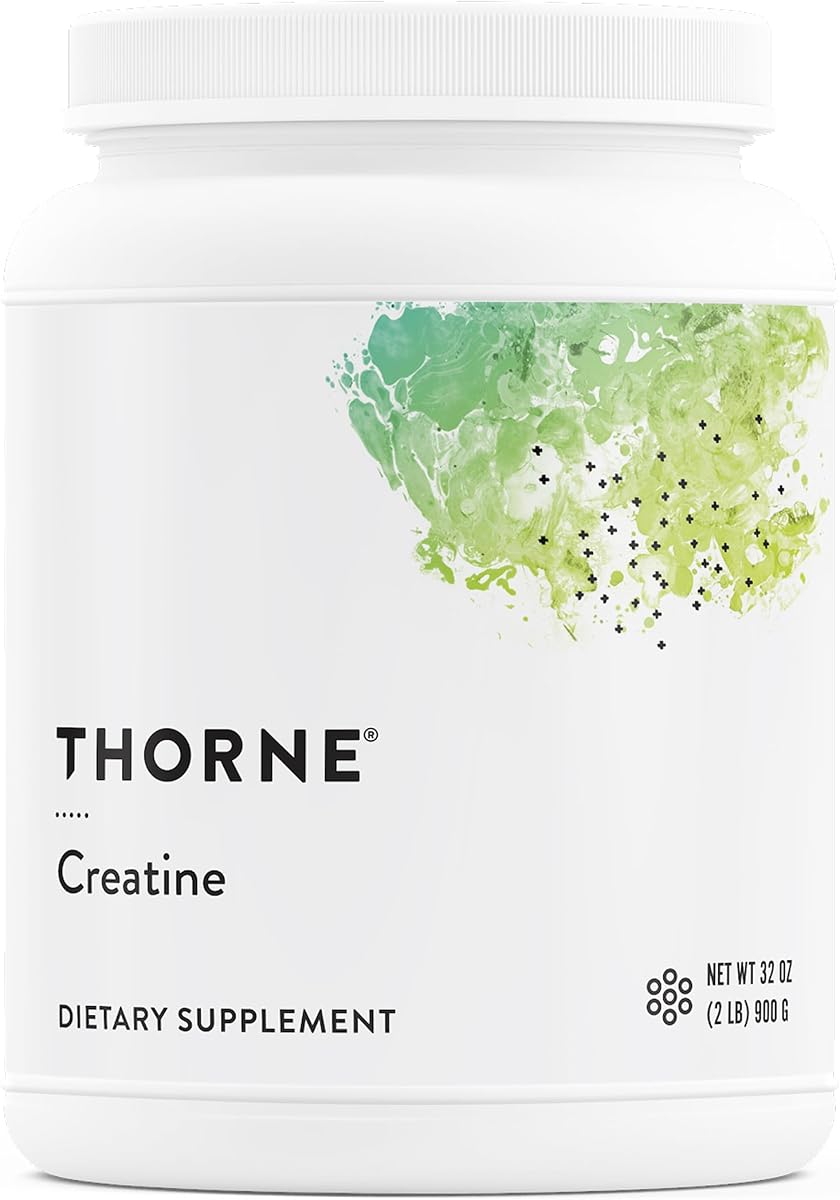
Choosing a Micronized Creatine Powder: Why Purity and Certification Matter
When selecting a creatine monohydrate powder, the form and purity of the ingredient are paramount. THORNE’s micronized powder ensures rapid mixing and easy digestion, while its NSF Certified for Sport designation provides third-party verification that the product contains exactly what’s on the label—free from banned substances. This is especially critical for athletes and health-conscious consumers who rely on consistent, high-quality supplementation.
Key Considerations Before Buying
- Micronization: A finer particle size improves solubility and reduces the grittiness often found in standard creatine powders, making it easier to mix with water or your favorite beverage without clumping.
- Serving Precision: With a 5-gram serving per scoop, this product eliminates guesswork. For optimal loading and maintenance, you can precisely measure your daily dose—whether following a standard 5g/day protocol or a loading phase.
- Unflavored Versatility: The unflavored option allows you to add creatine to any drink or recipe without altering taste, which is a key advantage for those who want to avoid artificial sweeteners or flavors.
What Our Analysts Recommend
For creatine supplements, prioritize products that are third-party tested for purity and potency, such as those with NSF or Informed-Sport certifications. Look for micronized powders to enhance mixability and absorption, and check that the label specifies creatine monohydrate—the most researched and effective form for muscle and cognitive benefits.
Creatine Market Context
Market Overview
The creatine supplement market is saturated with options ranging from cheap bulk powders to premium blends with added ingredients. THORNE stands out as a premium brand known for rigorous quality control, appealing to serious athletes and those concerned about contamination. Despite the variety, monohydrate remains the gold standard due to decades of research supporting its efficacy for strength, power, and even cognitive function.
Common Issues
Common concerns include poor solubility leading to gritty textures, contamination with heavy metals or unlisted substances, and misleading marketing that overstates benefits. Many products lack third-party certification, leaving consumers unsure about purity. Additionally, some users experience bloating or digestive discomfort with lower-quality creatine.
Quality Indicators
Key indicators of a high-quality creatine include third-party certifications (e.g., NSF, USP, or Informed-Sport), transparent sourcing, and micronized particle size. Look for products that provide a clear serving size and avoid proprietary blends that hide ingredient amounts. Consumer reviews that mention mixability, taste neutrality, and digestive comfort are also positive signs.
Review Authenticity Insights
Grade B Interpretation
With a Grade B and an estimated 10% fake review rate, THORNE Creatine shows strong authenticity signals overall, but a small fraction of reviews may be unreliable. The 4.89 average rating likely reflects genuine satisfaction, though the adjusted 4.60 suggests some inflation. Given the high volume of verified purchases and detailed testimonials, most feedback is trustworthy.
Trust Recommendation
Rely on reviews that mention specific usage contexts, such as mixing experiences, cognitive benefits, or comparison to other brands. Be cautious of overly generic praise or repeated phrases. Verified purchase badges are a strong signal, so prioritize those when evaluating feedback.
Tips for Reading Reviews
For creatine supplements, focus on reviews that discuss solubility, taste (or lack thereof), and any digestive effects. Look for patterns in long-term use—many genuine reviews will note results after several weeks. Also, note if users mention the product’s certification, as that indicates they value quality assurance.
Expert Perspective
THORNE Creatine delivers exactly what you’d expect from a premium brand: a clean, micronized monohydrate powder with NSF certification for sport. The high rating and strong authenticity suggest consumers are genuinely satisfied with its mixability and lack of aftertaste. While it’s priced higher than some alternatives, the third-party testing and reputation for purity justify the premium for those who prioritize safety and quality.
Purchase Considerations
Consider your budget and whether the NSF certification is a must-have for your training or competition needs. If you’re new to creatine, this product’s easy mixing and unflavored profile make it a low-risk choice. However, if you’re on a tight budget, generic micronized creatine from reputable brands may offer similar benefits at a lower cost.
Comparing Alternatives
Shoppers should compare THORNE with other NSF-certified creatine powders, such as those from Klean Athlete or NOW Sports, to find the best balance of price and purity for their needs.


