Choosing Bifocal Reading Sunglasses: What Matters for Driving and Outdoor Use
The DEHOTRE bifocal reading sunglasses address a specific need: clear near vision for reading while providing sun protection for distance viewing. Unlike standard readers, these combine UV400 protection with a zero-top bifocal design, meaning the reading segment sits at the bottom with no visible line, crucial for tasks like checking a GPS or dashboard while driving. Buyers should understand this hybrid functionality isn't just about tinted lenses.
Key Considerations Before Buying
- Verify the diopter strength matches your existing reading glasses prescription; these are magnifiers, not prescription lenses, and an incorrect strength will cause eye strain.
- The 'zero top' or flat-top bifocal design means the reading segment is only at the bottom—ideal for glancing down but not for prolonged overhead reading.
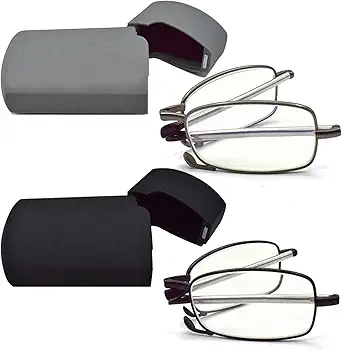
- Stainless steel frames with metal hinges, like on this model, offer durability for frequent outdoor use but require proper fit to avoid slipping during active movement.
What Our Analysts Recommend
For driving-specific sun readers, prioritize polarized lenses to reduce glare, though UV400 protection is the absolute baseline. Examine hinge construction; a five-barrel metal hinge indicates better longevity than plastic. The lens tint should be dark enough for bright conditions but not so dark it impairs vision in variable light, a common flaw in cheap bifocal sunglasses.
Reading Glasses Market Context
Market Overview
The market for non-prescription bifocal reading sunglasses has expanded beyond basic magnifiers, with driving and outdoor leisure as key use cases. Products now segment by lens type (polarized, gradient), frame material, and bifocal style (full-bottom, half-moon).
Common Issues
Poor optical alignment between the distance and reading zones causes headaches, while cheap frames fail to hold alignment after repeated folding. Many products skimp on true UV400 protection, applying only a tint, which dilates pupils and increases UV exposure risk.
Quality Indicators
Look for explicitly stated UV400 or UV380 blockage, not just 'sunglasses.' Quality metal frames will have spring hinges or reinforced temples. For driving, a gray or brown lens tint is preferable to amber or yellow, which can distort traffic signal colors.
Review Authenticity Insights
Grade B Interpretation
A Grade B with an 11% estimated fake review rate suggests mostly authentic feedback with a minor layer of potentially incentivized reviews. For a product with 50 reviews, this means approximately 4-5 reviews might be unreliable, but the core feedback (45+ reviews) appears genuine.
Trust Recommendation
Focus on verified purchase reviews that mention specific use cases like 'driving' or 'fishing,' as these detail real-world performance. The adjusted rating of 4.60/5, down from 4.89/5, is still strong and likely reflects the product's true performance more accurately.
Tips for Reading Reviews
Scrutinize reviews mentioning long-term durability (e.g., 'hinge held up for 6 months') and fit details like nose pad comfort. Be skeptical of reviews that only praise packaging or use generic superlatives without describing the bifocal function in action.
Expert Perspective
The DEHOTRE 2-pack presents a compelling value proposition for a specific user: someone needing affordable, durable bifocal sunglasses primarily for driving and outdoor activities. The high authentic rating (4.60/5) indicates genuine satisfaction with its core promise—combining reading help with sun protection in a metal frame. The two-pack offering addresses a practical concern: losing or damaging a single pair. However, the product exists in a competitive segment where lens optical quality and precise diopter strength are common trade-offs at this price point.
Purchase Considerations
Weigh the convenience of a two-pack and stainless steel durability against the potential for optical imperfections common in non-prescription bifocals. If your primary use is driving, confirm the lens tint and lack of polarization (if not stated) work for your conditions. The value is clear for casual use, but those needing all-day wear or precise optical clarity might require a higher-tier product.
Comparing Alternatives
Shoppers should compare the diopter strength availability, lens tint options, and hinge design with similar products from brands like Eyekepper or Aoni.