
Choosing a Large-Room Air Purifier: Balancing Coverage, Sensors, and Filter Maintenance
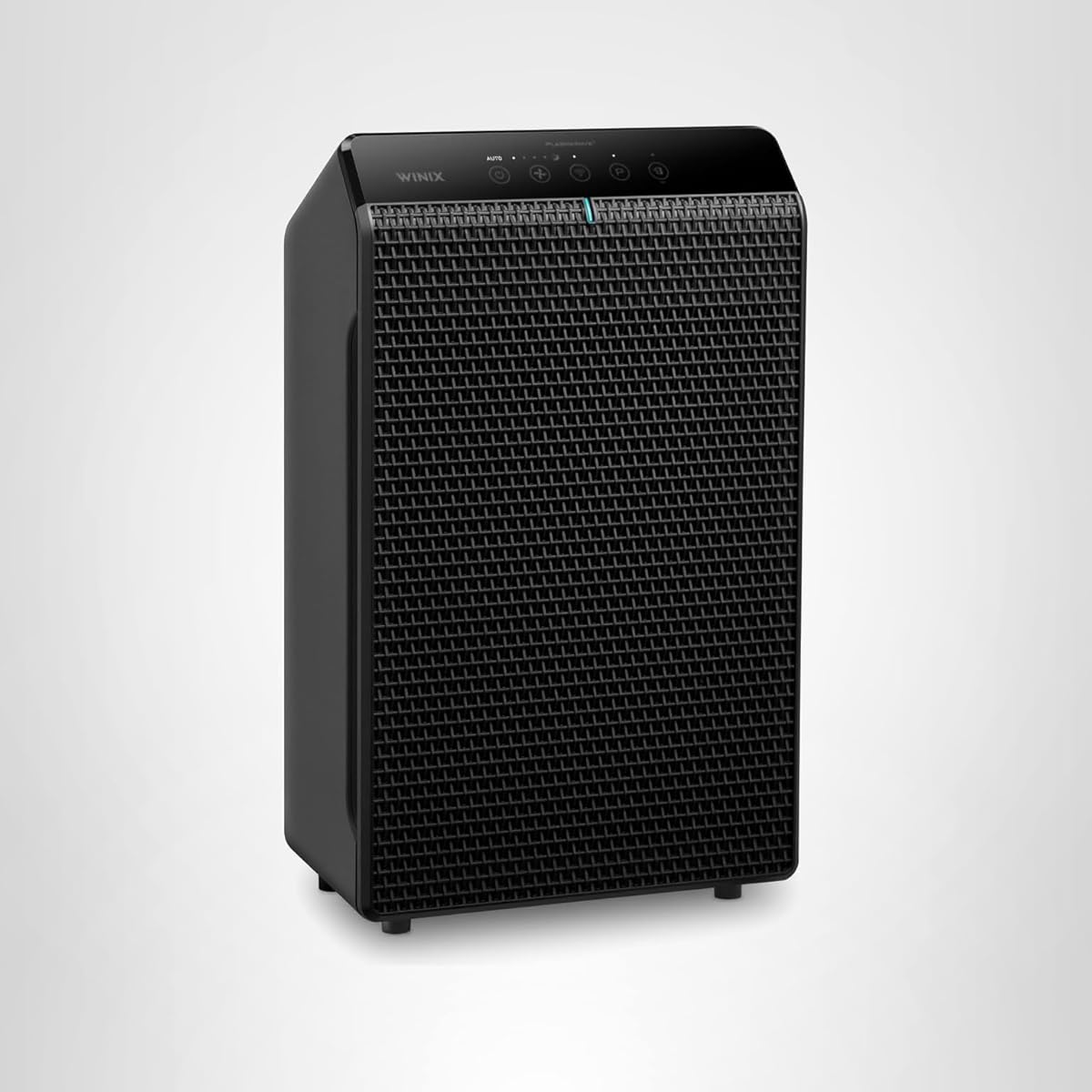
The WINIX 5520 targets a specific niche: large rooms up to 1882 square feet with its True HEPA and carbon filter system. Buyers should understand that its auto mode relies on a built-in air quality monitor, which is a key feature distinguishing it from basic purifiers. This model's performance hinges on the interaction between its sensor, fan speeds, and the dual-stage filtration.
Key Considerations Before Buying
- The claimed 1882 sq ft coverage in 1 hour is an ideal lab condition; real-world performance in furnished spaces with obstacles will be slower, so consider it for rooms slightly smaller than the maximum.
- The 'High Deodorization Carbon Filter' targets gases and odors (like smoke or pet smells), but it's a pre-filter layer that saturates faster than the True HEPA filter, requiring more frequent checks.
- Auto Mode's effectiveness depends entirely on the sensitivity and placement of the built-in particulate sensor; it may not react instantly to low-level allergens like pet dander that haven't yet been aerosolized.
What Our Analysts Recommend
For a purifier in this class, prioritize units with a genuine True HEPA (H13 or better) specification, not just 'HEPA-type'. A quality indicator is a clear filter replacement indicator and accessible filter costs, as the WINIX uses proprietary filter sets. Also, verify the Clean Air Delivery Rate (CADR) for smoke, dust, and pollen if available, as this is a standardized performance metric.
HEPA Air Purifiers Market Context
Market Overview
The mid-range large-room HEPA purifier market is crowded, with key competition between brands like Winix, Coway, and Blueair focusing on smart features versus pure filtration. Current trends emphasize integrated air quality sensors and auto modes, moving beyond simple manual fan controls.
Common Issues
Common pain points include misleading room size claims, noisy high fan speeds that make auto mode essential, and the high long-term cost and hassle of proprietary filter replacements. Sensors can also be fooled by humidity or large particles, causing erratic auto behavior.
Quality Indicators
Look for transparency in filter specifications (True HEPA vs. HEPA-like), a multi-stage process that includes a pre-filter for large debris and a substantial carbon layer for VOCs, and a reasonable noise profile on medium settings. A solid warranty and available part support are also critical.
Review Authenticity Insights
Grade B Interpretation
A 'B' grade with an 11% estimated fake review rate suggests a generally trustworthy review pool, but shoppers should be aware that roughly 1 in 10 reviews might be inauthentic promotion. This is a moderate rate for a high-volume Amazon product in a competitive category.
Trust Recommendation
Focus on verified purchase reviews that discuss long-term use (6+ months), filter replacement experiences, and specific scenarios like 'cat allergies in a 20x20 living room.' Be slightly more skeptical of overly vague 5-star reviews that don't mention the auto mode or sensor.
Tips for Reading Reviews
Prioritize reviews that mention the product's specific behaviors, such as how often the auto mode ramps up, the actual noise level on setting 2 or 3, and the real-world time it takes to clear cooking smoke. Look for discussions about the plasma wave feature (an ionizer), which some users prefer to turn off.
Expert Perspective
The WINIX 5520 presents a strong value proposition for its price point, offering sensor-driven automation and large-room coverage that many competitors reserve for higher tiers. The adjusted rating of 3.90/5, down from 4.11, is a more realistic score, indicating very good but not flawless performance. Its strengths are the auto mode for hands-off operation and the carbon filter for odor control, but its weaknesses likely involve sensor accuracy over time and the ongoing filter costs. The high number of genuine reviews (over 31k) provides a robust data set for evaluating real-world reliability.
Purchase Considerations
Weigh the convenience of the auto mode and air quality light against the need to periodically clean the sensor for accuracy. Calculate the annual filter cost (typically one set per year) into your total budget. This unit is best for someone who wants a 'set it and forget it' purifier for a large, open living area with mixed pollutants like dust and pet odors.
Comparing Alternatives
Shoppers should compare the 5520's feature set and filter costs directly with models like the Coway Airmega 400 or Blueair Blue Pure 211+.


