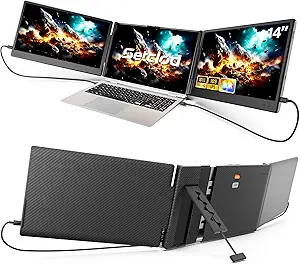
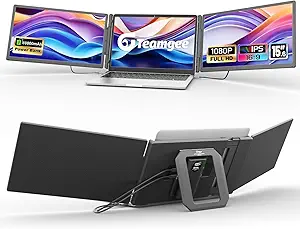
Choosing a portable monitor requires balancing resolution, refresh rate, and connectivity needs
The Upperizon 16-inch portable monitor represents a specific niche: high-performance portability. With its 2K QHD resolution, 144Hz refresh rate, and 450 nits brightness, this model targets users who need desktop-grade features in a travel-friendly form factor. Buyers should evaluate whether they truly need these premium specs or would be better served by a more basic portable display.
Key Considerations Before Buying
- The 2560x1600 resolution on a 16-inch screen delivers exceptional pixel density (189 PPI), making text and details exceptionally sharp, but requires more graphics power than standard 1080p portable monitors.
- A 144Hz refresh rate is valuable for gaming and smooth motion, but consider whether your laptop's integrated graphics or your gaming console can consistently output high frame rates to utilize it.
- The inclusion of both HDMI and USB-C connectivity with power delivery makes this monitor versatile, but verify your specific laptop model supports video-over-USB-C before relying on single-cable solutions.
What Our Analysts Recommend
For portable monitors, examine the included cover's quality—it should protect the screen during transport without adding excessive bulk. Genuine quality indicators include VESA mount compatibility for flexible setups and accurate color coverage specifications like the 106% sRGB claimed here, which suggests decent color reproduction for photo editing.
Monitors Market Context
Market Overview
The portable monitor market has evolved from basic secondary displays to feature-rich panels competing with desktop monitors. Current trends emphasize higher refresh rates for gaming, better color accuracy for creative work, and universal compatibility across laptops, game consoles, and mobile devices.
Common Issues
Many portable monitors suffer from inadequate brightness (below 300 nits) for use in well-lit environments, or rely solely on USB-C without HDMI fallback, limiting console compatibility. Build quality, particularly with folding covers and stand mechanisms, is a frequent point of failure across brands.
Quality Indicators
Look for specific brightness measurements (450 nits here is excellent), stated color gamut coverage, and multiple input options. Genuine high refresh rate panels (144Hz) should be paired with adaptive sync technologies to prevent screen tearing, though this isn't always advertised in portable models.
Review Authenticity Insights
Grade B Interpretation
A Grade B authenticity rating with an 11% estimated fake review rate suggests generally trustworthy reviews with some promotional content mixed in. The adjusted rating of 4.60/5 (down from 4.89) indicates genuine satisfaction is still high, but the initial rating was slightly inflated.
Trust Recommendation
Focus on reviews that mention specific use cases like connecting to a MacBook Pro M-series, Surface Pro, or PS5, as these demonstrate real testing. Be slightly skeptical of reviews that only praise generic aspects without detailing setup or performance with specific devices.
Tips for Reading Reviews
For technical products like monitors, prioritize reviews that discuss actual measured performance—comments on text clarity at 2K, HDR implementation effectiveness, or the real-world brightness in sunny conditions are more valuable than general 'looks great' statements.
Expert Perspective
The Upperizon monitor's specifications are impressive for its class, particularly the 450-nit brightness and 144Hz refresh rate combination, which is uncommon in portable displays. The high pixel density makes it suitable for productivity tasks where screen real estate and sharpness matter. The 4.60 adjusted rating from nearly 1,000 reviews suggests it delivers on most of its promises for the majority of users. However, the 16-inch size at 2K resolution means interface scaling may be necessary on some operating systems, which isn't always mentioned in reviews.
Purchase Considerations
This monitor makes the most sense for travelers who need color-accurate work capabilities, gamers wanting a portable high-refresh-rate display for consoles or laptops, or professionals extending a laptop setup without sacrificing image quality. It's overkill for basic secondary display needs where a cheaper 1080p 60Hz portable monitor would suffice.
Comparing Alternatives
Shoppers should compare this model's brightness, input lag (if gaming), and included accessories against competitors like the Asus ZenScreen or portable monitors from Lepow and Arzopa.