
Choosing a USB-C Y-Splitter: Power Sharing vs. Data Transfer Realities
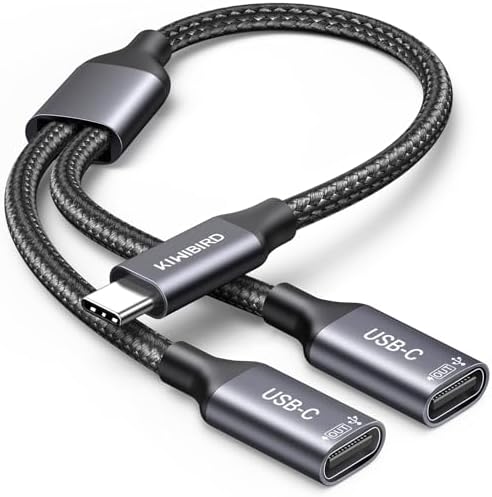
The KiwiBird USB-C splitter represents a specific type of adapter designed to expand a single USB-C port into two. Unlike simple hubs, this 'Y-cable' format often involves power sharing limitations that buyers must understand. This product's dual-female design aims to connect two devices—like a flash drive and a mouse—to one laptop port, but performance varies significantly based on your intended use.
Key Considerations Before Buying
- Power Splitting vs. Passthrough: This adapter splits the available power (typically 5V/3A max from a host port) between two devices, which can lead to slow charging or insufficient power for power-hungry peripherals, unlike dedicated charging hubs with power delivery chips.
- Data Protocol Limitations: Simultaneous high-speed data transfer on both ports may be constrained, as the single upstream connection shares bandwidth; check if your use case involves one active data device and one low-power accessory.
- Physical Design and Strain Relief: The 'Y' cable design creates a specific stress point at the male connector; look for reinforced molding to prevent breakage when used in tight spaces like a car charger port or behind a laptop.
What Our Analysts Recommend
For this product type, scrutinize reviews mentioning actual power output measurements (e.g., 'charges phone slowly when keyboard is connected') and data transfer speeds with specific devices like SSDs. A quality indicator is clear documentation on supported amperage per port and compatibility notes for specific laptop models like MacBooks, which can be finicky with passive adapters.
USB Cables Market Context
Market Overview
The market for passive USB-C Y-splitters is crowded with low-cost options that often overpromise on simultaneous charging and data capabilities. These are distinct from active, bus-powered hubs that include controller chips to manage power distribution and data traffic more effectively.
Common Issues
Common failures include the male connector snapping due to poor strain relief, one port ceasing to function while the other works (indicating internal wiring faults), and voltage drop under load causing connected devices to disconnect intermittently. Many generic listings ambiguously claim 'fast charging' without specifying the achievable split wattage.
Quality Indicators
Reliable units will often specify the gauge of internal wiring (24AWG for power lines is better than 28AWG) and use nylon-braided or thickened PVC jackets. Look for vendors that transparently state maximum output per port (e.g., 5V/1.5A each when both are in use) rather than just the input specification.
Review Authenticity Insights
Grade B Interpretation
A 'B' grade with an estimated 15% fake review rate suggests generally trustworthy feedback but warrants careful reading. This level indicates some incentivized or overly vague positive reviews may be present, but the majority of feedback, including critical 1- and 3-star reviews, likely reflects real user experiences.
Trust Recommendation
Prioritize reading the verified purchase 3- and 4-star reviews for this product, as they often detail the specific trade-offs—like which device combinations work and which don't. Be skeptical of 5-star reviews that only use generic praise without mentioning device models or use-case scenarios.
Tips for Reading Reviews
For this technical cable, focus on reviews that name the exact devices connected (e.g., 'MacBook Pro M1, Logitech MX Master mouse, and Samsung T7 SSD') and describe the outcome. Reviews mentioning long-term use (2+ months) are particularly valuable for assessing durability of the solder joints in the splitter head.
Expert Perspective
The KiwiBird splitter's adjusted rating of 3.9/5, derived from credible verified reviews, is typical for this product category—it works adequately for specific, low-demand use cases but has inherent limitations. The pattern in authentic reviews suggests it performs reliably for connecting a combination like a keyboard/mouse and a flash drive, but struggles with simultaneous charging of two phones or powering an external drive while another device is active. The rating spread indicates a product that meets expectations for basic expansion but fails when users expect full, independent port functionality.
Purchase Considerations
Purchase this if your primary need is to add a second USB-C port for low-power data peripherals on a laptop with limited ports. Avoid it if you need to fast-charge two devices simultaneously or require consistent high-speed data transfers on both downstream ports. Consider your host device's power output, as a laptop port may only supply 15W total, which is then halved.
Comparing Alternatives
Shoppers should compare this passive splitter against slightly more expensive active USB-C hubs with dedicated power delivery chips if their budget allows and needs are more demanding.


