
Evaluating Smart Aquarium Kits: What 20-Gallon Starter Systems Actually Deliver
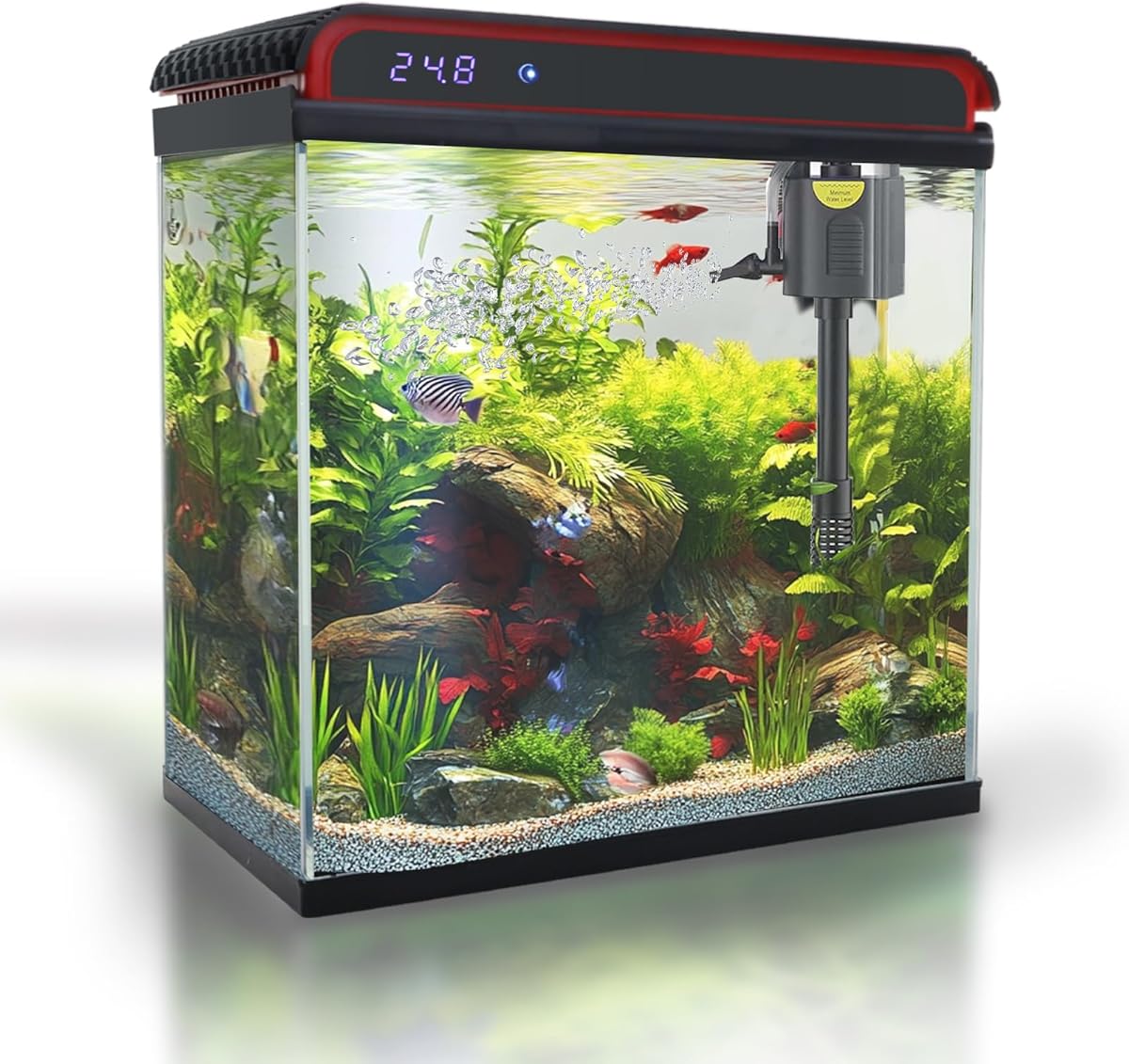
This 20-gallon smart aquarium kit combines multiple features—self-cleaning, LED lighting, quiet filtration, and temperature monitoring—into one package. Buyers should understand that 'starter kit' means different things across brands, and the integration of these systems requires careful evaluation of each component's performance.
Key Considerations Before Buying
- The 'self-cleaning' mechanism in these systems typically involves a surface skimmer and mechanical filtration; verify whether it truly reduces maintenance or simply redistributes it.
- Temperature monitoring is only valuable if it's accurate and responsive; many integrated sensors have calibration issues affecting tropical species like bettas.
- A 20-gallon tank marketed for bettas and shrimp presents stocking contradictions—bettas prefer lower flow while shrimp need stable parameters, testing the pump's adjustability.
What Our Analysts Recommend
Examine silicone seam quality along all glass edges—uneven application leads to leaks. For smart features, check if the LED controller allows independent timing of the three colors, not just preset combinations. The pump's 'ultra quiet' claim should be verified through mid-to-high volume reviews mentioning long-term operation.
Aquariums Market Context
Market Overview
The aquarium market has shifted toward all-in-one smart kits, particularly in the 10-30 gallon range where beginners seek convenience. These systems compete on integrated technology rather than component quality, creating variance in reliability.
Common Issues
Integrated filters in starter kits often have undersized media compartments, requiring frequent cartridge changes. LED lights marketed with multiple colors sometimes lack sufficient intensity for plant growth despite aesthetic appeal. Self-cleaning claims frequently overpromise on debris management.
Quality Indicators
Quality smart aquariums feature separate control systems for lighting and filtration, not a single unreliable motherboard. Look for tempered glass identification (usually etched in corners) and silicone seams without bubbles or gaps. Better pumps offer adjustable flow rates, not just fixed output.
Review Authenticity Insights
Grade B Interpretation
A Grade B with 10% estimated fake reviews indicates generally trustworthy feedback with minor manipulation concerns. The 0.19-point drop from the displayed 3.89 to adjusted 3.70 suggests some inflated positive reviews, but verified purchases strengthen credibility.
Trust Recommendation
Focus on reviews discussing specific components like the pump's noise after 30 days or LED color functionality. The natural rating distribution (including several 1- and 2-star reviews) suggests authentic experiences are represented, not just curated positives.
Tips for Reading Reviews
Prioritize reviews mentioning long-term setup (2+ months) and those comparing this kit's 'smart' features to traditional separate components. Look for detailed comments about water parameter stability, as this reveals filtration effectiveness beyond initial claims.
Expert Perspective
This kit's 3.70 adjusted rating reflects the compromise between convenience and performance common in smart aquariums. The inclusion of temperature monitoring is valuable for sensitive species, but its accuracy requires verification. The 20-gallon size is appropriate for community setups despite the betta/shrimp marketing, offering sufficient volume for stable nitrogen cycles. The moderate rating suggests the integrated systems work adequately but may not excel individually compared to specialized components.
Purchase Considerations
Consider whether you value integrated convenience over individual component quality. The self-cleaning feature likely reduces surface film but won't eliminate substrate vacuuming. For shrimp keeping, ensure the filter intake is shrimp-safe or plan to modify it with sponge pre-filters.
Comparing Alternatives
Compare this kit's pump flow rate (GPH) and LED specifications against similarly priced traditional aquarium setups with separate components.


