

Computer Speakers: Power, Connectivity, and Room Fit Matter
The Edifier M60 is a 66W RMS multimedia speaker system finished in classic oak, blending desktop-friendly size with enough output for a small room. Before buying any computer speaker, decide how you'll connect (USB, Bluetooth, or analog) and how much bass your space can realistically handle.
Key Considerations Before Buying
- Power rating and room size: 66W RMS is substantial for a nearfield desktop setup, but in a large open room it will sound thin compared with a dedicated 2.1 system with a subwoofer. Match the speaker's output to your actual listening distance and room volume.
- Connectivity and inputs: Check whether you need USB audio, Bluetooth, optical, or a 3.5mm/RCA input. The M60 targets computer use, so confirm it has the specific input your PC, monitor, or console uses before buying.
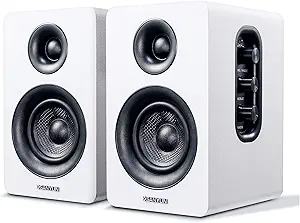
- Physical fit and finish: The classic oak cabinet is a design choice that affects both aesthetics and acoustics. Measure your desk or shelf space, since wood-veneered cabinets are typically heavier and less forgiving of cramped placement than plastic alternatives.
What Our Analysts Recommend
Look for a clear RMS wattage figure rather than peak power, since RMS reflects continuous output. Check the driver sizes and cabinet material, as larger woofers and rigid wood or MDF cabinets generally produce cleaner bass than small plastic enclosures. Also verify the input list matches your devices and that a remote or volume knob is included if you'll adjust levels often.
Computer Speakers Market Context
Market Overview
The computer speaker market splits between budget plastic 2.0 sets under $50 and premium powered monitors or wood-cabinet systems that can exceed $200. Bluetooth and USB-C connectivity are now expected even in mid-range models, and buyers increasingly want speakers that double as general-purpose music systems rather than PC-only accessories.
Common Issues
Frequent complaints in this category include audible hiss or hum at idle, Bluetooth latency when watching video, and bass that distorts at higher volumes. Another common issue is misleading power claims, where 'peak' wattage is advertised instead of the more meaningful RMS rating.
Quality Indicators
Strong indicators of quality include published RMS power, wood or MDF cabinets instead of thin plastic, and multiple input options. Brands with a track record in powered speakers and detailed, verified customer reviews that mention long-term reliability are also good signals.
Review Authenticity Insights
Grade B Interpretation
A Grade B with an estimated 12% fake reviews means most feedback is likely genuine, but a meaningful minority may be incentivized or low-quality. The adjusted rating of 4.40/5 versus the raw 4.67/5 suggests the genuine consensus is still positive, just slightly less glowing than the headline number implies.
Trust Recommendation
Trust the overall positive trend but discount extreme five-star reviews that lack specifics, and pay extra attention to three- and four-star reviews that describe real use cases. Because all reviews are verified purchases, the risk of entirely fabricated feedback is lower than the percentage alone suggests.
Tips for Reading Reviews
For computer speakers, prioritize reviews that mention connection type, room size, and volume levels, since these details reveal whether the reviewer's setup matches yours. Look for comments about hiss, Bluetooth stability, and bass handling, as these are the areas where genuine problems surface.
Expert Perspective
The Edifier M60 sits in a competitive mid-range spot, offering 66W RMS and a classic oak finish that appeals to buyers who want desktop speakers that look good when not in use. With a 4.67/5 raw rating across 2,102 reviews and a 4.40/5 adjusted rating, the genuine feedback is strong, though the 12% estimated fake review rate means the true score is likely closer to the adjusted figure. Edifier has an established reputation in powered speakers, which supports the credibility of the positive consensus.
Purchase Considerations
Weigh the M60 against your desk space, preferred inputs, and whether you need deep bass for movies or gaming. If you mostly listen at low volumes near a monitor, its power is more than enough; if you want room-filling sound, consider a 2.1 system with a subwoofer instead. Also confirm the oak finish matches your setup, since it's a visual commitment.
Comparing Alternatives
Shoppers should compare the M60 with other wood-cabinet powered speakers and 2.1 systems in the same price range to confirm it offers the best mix of power, inputs, and aesthetics for their needs.
![[Upgraded] Computer Speakers for Desktop PC, USB Plug-n-Play, External Speakers for Laptop, Mini PC Sound Bar with Stereo Loud Sound, Enhanced Bass, Compatible with Windows, macOS, ChromeOS, Linux](https://m.media-amazon.com/images/I/71iB3FXuIWL._AC_SY300_SX300_QL70_FMwebp_.jpg)


