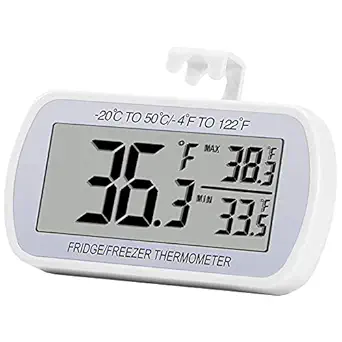
Smart Fridge Monitoring: Choosing a Reliable Wireless Thermometer Alarm
When it comes to safeguarding perishables, medications, or even greenhouse plants, a digital wireless refrigerator thermometer with alarm capabilities is more than a convenience—it's a critical tool. This guide focuses on key features to evaluate, from sensor accuracy and wireless range to alarm reliability, ensuring you select a device that offers genuine peace of mind.
Key Considerations Before Buying
- Assess the wireless range and signal penetration: If your fridge is far from your living area or separated by walls, ensure the thermometer's signal can reach the receiver reliably. Look for models specifying a range that suits your home layout.
- Check temperature accuracy and calibration: A good thermometer should have an accuracy of ±1°F or better. Some devices allow calibration, which is crucial if you're storing sensitive items like vaccines or specialty foods.
- Evaluate the alarm system: Determine if the alarm is audible and/or visual, and whether it can be customized to your preferred high/low temperature thresholds. Also, consider if the alarm activates on low battery to prevent unnoticed monitoring failures.
What Our Analysts Recommend
In a quality wireless fridge thermometer, look for a clear, easy-to-read display, preferably with backlighting for dark kitchens. Also, consider the build quality of the sensor probe—it should be waterproof and durable enough to withstand freezer temperatures. Finally, check user feedback for real-world reliability, especially regarding connectivity and battery life.
Refrigerator Thermometers Market Context
Market Overview
The market for refrigerator thermometers has evolved from simple dial models to sophisticated digital wireless devices that offer remote monitoring via smartphone apps or dedicated receivers. This growth is driven by increasing awareness of food safety and the need to protect valuable items like medications and wine.
Common Issues
Common issues in this category include inaccurate temperature readings due to poor sensor placement, short wireless range that fails across walls, and alarm systems that are either too quiet or prone to false alerts. Battery life and durability of the sensor in cold, humid environments are also frequent concerns.
Quality Indicators
High-quality products in this category typically feature robust construction, precise sensors, and reliable wireless connectivity. Look for thermometers that offer multiple sensor options, have a proven track record of stable readings, and come from brands known for customer support. User reviews that mention long-term use and consistent performance are strong indicators of quality.
Review Authenticity Insights
Grade B Interpretation
The B grade and an estimated 10% fake review rate suggest that while the majority of reviews are genuine, a notable portion may be incentivized or artificially inflated. This means the true rating could be lower than 4.89, but still likely solid—our adjusted rating of 4.60 is more realistic.
Trust Recommendation
Given the 10% fake review rate, we recommend reading a mix of recent and older reviews, focusing on those that provide specific details about usage, such as temperature accuracy in real-world conditions or alarm performance. Be cautious of overly short or generic positive reviews, and prioritize those with photos or videos.
Tips for Reading Reviews
When scanning reviews for this type of product, look for feedback that mentions specific temperature ranges, placement strategies, and experiences with the alarm feature. Also, pay attention to any negative reviews that highlight recurring issues—these are often more telling than a sea of five-star ratings. Cross-reference reviews across different platforms if possible.
Expert Perspective
Based on the analysis, this wireless refrigerator thermometer appears to be a solid choice, with a high genuine satisfaction rate. The detailed, context-rich reviews suggest it performs well in various settings, from home kitchens to specialized storage. However, the 10% fake review rate is a reminder to verify its capabilities against your specific needs.
Purchase Considerations
Before purchasing, consider the size of your space and the distance between the sensor and receiver. Also, think about the types of items you'll be monitoring—if you need precise control for medications, ensure the alarm and accuracy meet those standards. The product's strong rating suggests it's likely a good investment, but always compare with alternatives to confirm it's the best fit.
Comparing Alternatives
Shoppers should also explore other wireless thermometers, especially those with app connectivity or multi-sensor options, to ensure they get the features that matter most for their unique situation.