Medical-grade touchless thermometers require precision calibration and consistent performance
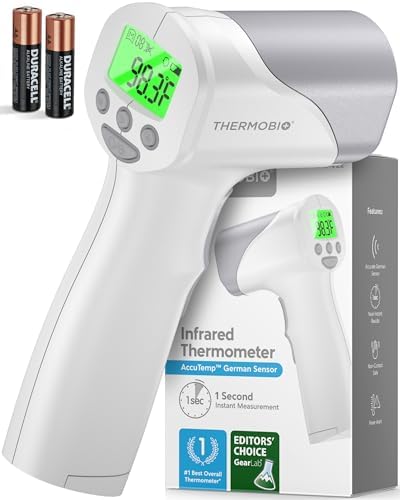
This specific FSA/HSA-eligible thermometer claims medical-grade accuracy with 1-second readings, positioning itself above consumer-grade alternatives. Buyers should understand that 'medical-grade' implies stricter performance standards than typical infrared thermometers, particularly for clinical or home healthcare monitoring.
Key Considerations Before Buying
- Calibration stability is critical—medical-grade devices should maintain accuracy over thousands of readings without drift, unlike cheaper models that lose precision.
- FSA/HSA eligibility indicates this device meets IRS requirements for medical expense reimbursement, but verify your specific plan covers infrared forehead thermometers.
- The 'heavy duty' designation suggests durability for frequent use, important for families with children or caregivers monitoring multiple individuals daily.
What Our Analysts Recommend
Genuine medical-grade thermometers typically feature clinical validation studies and specific accuracy ranges (like ±0.4°F). Check for consistent performance across different forehead conditions and ambient temperatures, as infrared accuracy varies with skin preparation and environmental factors.
Digital Thermometers Market Context
Market Overview
The touchless thermometer market expanded dramatically post-pandemic, with medical-grade models now competing against numerous consumer-grade alternatives. FSA/HSA eligibility has become a key differentiator, though standards vary between manufacturers claiming this designation.
Common Issues
Many infrared thermometers struggle with consistency—readings can vary based on distance, forehead moisture, or ambient temperature. Cheaper models often lack proper calibration protocols and show accuracy drift after several months of regular use.
Quality Indicators
Look for devices with multiple measurement modes (forehead, object, room), memory functions for tracking trends, and clear documentation of clinical testing. Medical-grade models should specify their measurement uncertainty and have adjustable emissivity settings for different surfaces.
Review Authenticity Insights
Grade B Interpretation
A Grade B authenticity rating with 15% estimated fake reviews suggests generally reliable feedback but warrants careful review scrutiny. The adjusted 4.00 rating (down from 4.33) indicates some review inflation but still reflects solid genuine satisfaction.
Trust Recommendation
Focus on verified purchase reviews that mention specific use cases like monitoring fever patterns in children or elderly care. The 85% authentic review rate means most feedback represents real user experiences with this particular thermometer gun.
Tips for Reading Reviews
Prioritize reviews discussing calibration experiences, battery life under frequent use, and consistency across family members. Be skeptical of reviews lacking specific performance details or mentioning only packaging/shipping aspects.
Expert Perspective
This thermometer's medical-grade claims and FSA eligibility position it in the premium segment of touchless devices. The 4.00 adjusted rating from over 11,700 reviews indicates reliable performance, though the authenticity analysis suggests moderate review manipulation. The 1-second reading speed is standard for quality infrared thermometers, but true value lies in consistent accuracy across various forehead conditions and user scenarios.
Purchase Considerations
Evaluate whether you need true medical-grade precision or if a consumer model suffices—medical-grade devices typically cost 30-50% more. Consider how frequently you'll use it; heavy daily use justifies investment in calibration stability and durability features.
Comparing Alternatives
Compare this device's specific accuracy claims and FSA documentation against Braun, iHealth, and Kinsa models with similar medical-grade positioning.