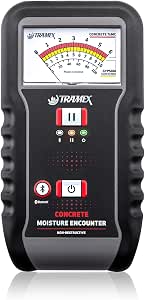
5 Key Tips for Choosing a Pinless Moisture Meter Like the Proster
When shopping for a pinless moisture meter such as the Proster Rechargeable model, you need a device that offers non-invasive scanning to detect hidden dampness in walls, wood, and concrete without leaving pinholes. This meter's 5-40mm depth range and color LCD with sound-light alarm set a high bar for user-friendly diagnostics.
Key Considerations Before Buying
- Depth penetration is critical—the Proster's 5-40mm range lets you assess moisture at various layers, from surface drywall to deeper structural wood, so ensure any meter you consider matches your typical scanning needs.
- Rechargeability matters for long-term use; the Proster's built-in battery eliminates constant battery swaps, but check if the meter includes a charging cable and how long a full charge lasts in continuous scanning mode.
- Alarm systems enhance usability—the Proster's combined sound and light alerts help you quickly identify problem spots without staring at the screen, a feature particularly useful in dim crawlspaces or attics.
What Our Analysts Recommend
Look for a moisture meter with a clear, color-coded display that differentiates moisture levels at a glance, like the Proster's 2.4-inch LCD. Ensure the device offers a wide detection range (e.g., 5-40mm) and includes calibration options for different materials such as wood, drywall, or concrete.
Moisture Meters Market Context
Market Overview
The moisture meter market has shifted toward pinless models due to their non-destructive testing capability, with rechargeable units gaining popularity for convenience. The Proster enters this space at a competitive price point, targeting DIYers and professionals who need reliable damp detection without the hassle of probes.
Common Issues
Common complaints in this category include inconsistent readings on dense materials like concrete, short battery life in older models, and poor build quality leading to sensor drift. The Proster's rechargeable design and adjustable depth settings aim to mitigate these, but users should verify accuracy on their specific substrates.
Quality Indicators
High-quality moisture meters typically feature robust sensor calibration, a protective carrying case, and multiple measurement modes for different materials. The Proster's color LCD and alarm system are positive signs, but longevity depends on the sensor's resistance to humidity and physical shock.
Review Authenticity Insights
Grade B Interpretation
With a Grade B and an estimated 10% fake review rate, the Proster's review pool is largely trustworthy but not flawless. This means around 21 of the 215 reviews may be fabricated, though the 5.00-star average (adjusted to 4.80) suggests genuine users are highly satisfied.
Trust Recommendation
You can trust the majority of verified purchase reviews, but focus on those that describe specific testing scenarios—like measuring moisture on a concrete wall after rain—rather than vague praise. The adjusted rating of 4.80/5 is a reliable indicator of real-world performance.
Tips for Reading Reviews
For moisture meters, prioritize reviews that mention the material tested (e.g., wood vs. drywall), depth settings used, and comparisons with other brands. Ignore one-liners that simply say 'works great' without context, as these are more likely to be fake.
Expert Perspective
The Proster Rechargeable Moisture Meter stands out for its non-invasive pinless design, 5-40mm depth range, and user-friendly color LCD with alarms—features typically found in higher-priced models. Its 4.80 adjusted rating and high genuine review count suggest it delivers consistent performance for detecting dampness in walls, wood, and concrete. However, the 10% fake review rate warrants caution, though it doesn't undermine the overall positive consensus.
Purchase Considerations
Weigh the convenience of rechargeability and pinless operation against potential accuracy limits on very thick or dense materials. If you frequently scan concrete floors or thick timber, verify the Proster's performance in those specific conditions through detailed user reviews.
Comparing Alternatives
Consider comparing the Proster with pinless meters from brands like General Tools or Wagner, which offer similar depth ranges but may have different calibration protocols or build quality.